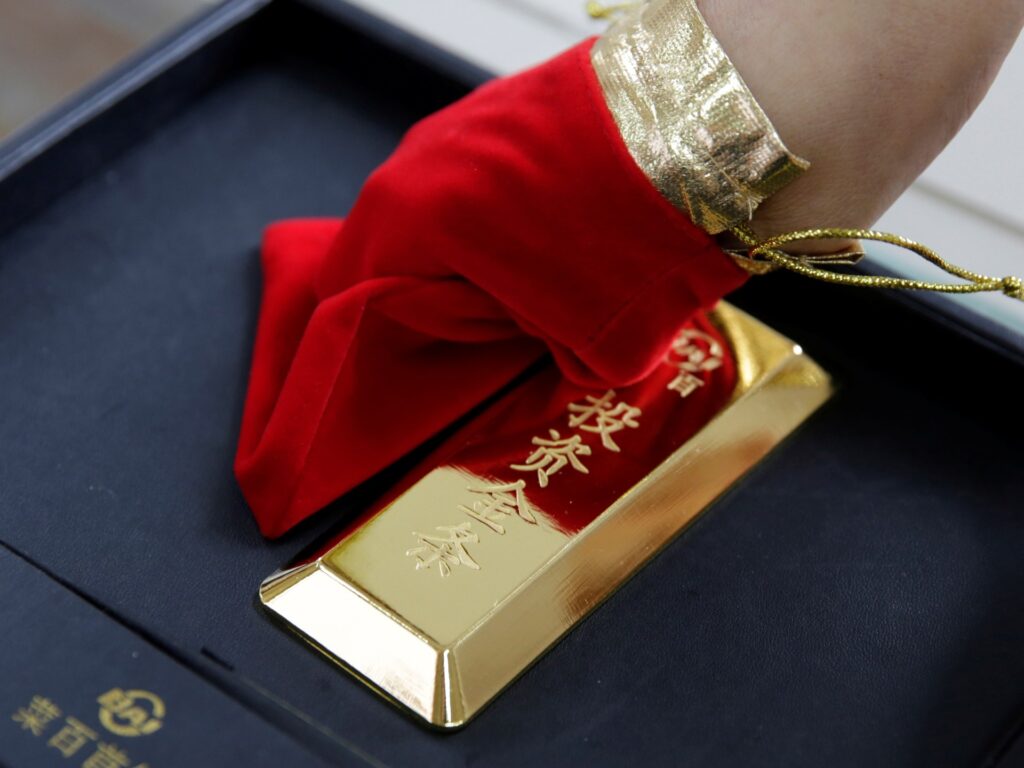
In recent years, China has significantly increased its gold purchases, reflecting an important strategic shift in its economic and financial policies. This trend is viewed by experts as a move to reduce reliance on US dollar assets and enhance financial security amid changing global geopolitical and economic dynamics.
China’s growing appetite for gold comes against the backdrop of concerns over currency stability and the desire to diversify reserves. Traditionally, countries have held US dollar-denominated assets, including US Treasury bonds, as a safe haven and a means to facilitate international trade. However, fluctuations in US monetary policy, rising geopolitical tensions, and a desire to assert greater financial independence have motivated China to recalibrate its reserve holdings.
By increasing its gold reserves, China is aiming to build a buffer against dollar volatility and potential economic uncertainties. Gold is widely regarded as a reliable store of value and a hedge against inflation and currency devaluation. This quality makes it an attractive option for central banks seeking to preserve the purchasing power of their reserves.
Additionally, China’s gold purchases align with its broader ambitions to internationalize its currency, the yuan. By strengthening its gold reserves, Beijing signals confidence in its financial system and supports efforts to position the yuan as a viable alternative to the US dollar in global markets.
Experts note that China’s gold accumulation also serves as a geopolitical tool. In an era marked by shifting alliances and trade conflicts, reducing exposure to US dollar assets minimizes vulnerabilities linked to sanctions or financial pressure from other countries.
Furthermore, as the world’s largest gold producer and consumer, China’s buying spree reflects its domestic economic policies focused on resource security and industrial strategy. The country’s leadership acknowledges the strategic importance of gold not only as a financial asset but also as a resource integral to various industries.
Market analysts observe that China’s approach may prompt other countries to reconsider their reserve management strategies, potentially leading to a diversification trend away from traditional dollar-centric holdings.
However, some challenges accompany this strategy. The effectiveness of gold in hedging against currency risks can vary with market conditions, and holding large gold reserves involves storage and security considerations. Moreover, shifts in global gold prices can impact the value of reserves.
Despite these challenges, China’s commitment to enhancing its gold reserves is clear. It reflects a multifaceted strategy to secure economic sovereignty, hedge against financial risks, and fortify its position in the international financial system.
Looking ahead, Beijing’s gold purchases may continue to shape global economic dynamics. As countries navigate uncertainties and evolve their financial architectures, China’s move underscores a critical pivot towards diversification and greater autonomy from the US dollar-centric system.
In summary, China’s increased acquisition of gold is not merely about accumulating wealth but represents a strategic, economic, and geopolitical maneuver. It symbolizes Beijing’s pursuit of stability, security, and influence in an increasingly complex global financial landscape, signaling a potentially significant shift in the world’s economic order.