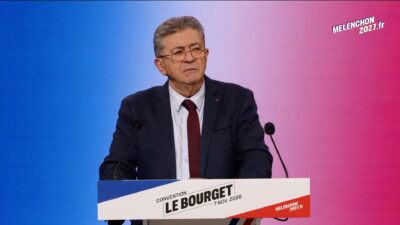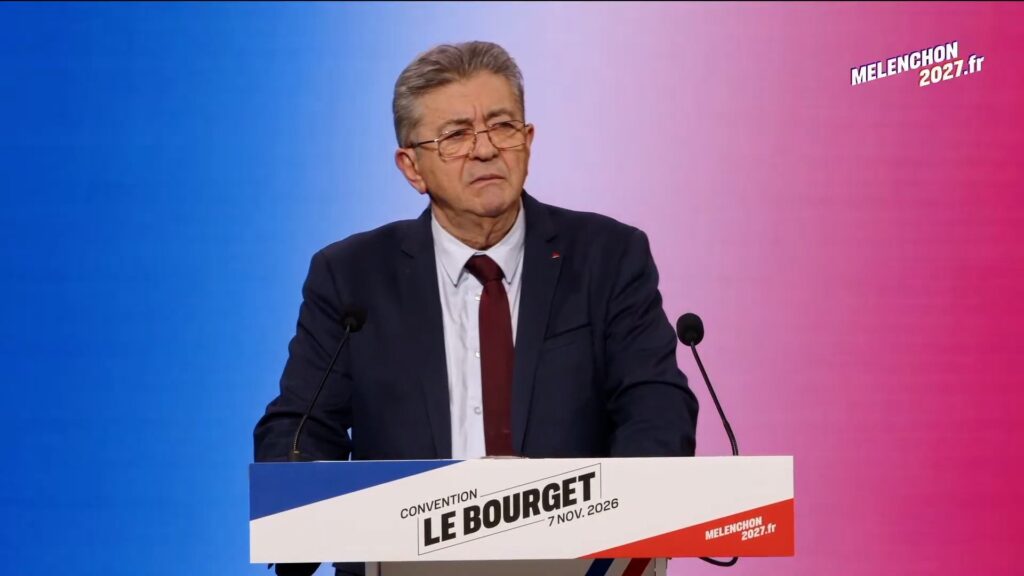
Jean-Luc Mélenchon, a prominent French presidential candidate, has declared that he will take decisive action against any Israeli plans to annex parts of the occupied Palestinian territories if he is elected President of France. This statement aligns with Mélenchon’s long-standing stance supporting Palestinian rights and opposing Israeli settlements in the West Bank.
During his campaign, Mélenchon emphasized the importance of international law and the pursuit of peace through diplomatic channels. He criticized previous French administrations for what he saw as insufficient opposition to Israeli policies that undermine the two-state solution.
Mélenchon pledged to use France’s diplomatic influence within the European Union and the United Nations to counter any unilateral annexation moves by Israel. He argued that such actions would violate international law and further destabilize the region.
Supporters of Mélenchon view his position as a strong commitment to justice and peace in the Middle East. Critics, however, warn that such a stance could strain France’s traditionally close relationship with Israel.
The issue of Israeli annexation has been a contentious one internationally, with various countries divided on their responses. Mélenchon’s promise signals a potential shift in French foreign policy toward a more assertive defense of Palestinian sovereignty.
If elected, Mélenchon would face the challenge of balancing France’s strategic and economic interests with his commitment to human rights and international law. Observers note that his approach would likely involve increased diplomatic pressure, potential sanctions, and efforts to rally international consensus against annexation.
The French presidential election is closely watched not only for its domestic implications but also for its potential impact on international affairs, including the Israeli-Palestinian conflict. Mélenchon’s stance is expected to be a significant factor for voters concerned with France’s role on the global stage.
This development adds to the broader discourse on the future of peace in the Middle East and the responsibilities of international leaders in addressing complex geopolitical issues. As the election campaign progresses, Mélenchon’s foreign policy positions, particularly regarding Israel and Palestine, will remain a major topic of debate among candidates and the public alike.