The ongoing conflict involving Iran has escalated with significant developments reported. The United States has moved to block crucial land supply routes, a strategic effort aimed at restricting logistical support within the conflict zone. This action underscores the intensification of international involvement and the importance of controlling supply lines in the regional conflict.
Amid these tensions, the United Arab Emirates conducted a rescue operation, successfully saving 22 sailors. This humanitarian effort highlights the ongoing risks faced by civilians and non-combatants in the region.
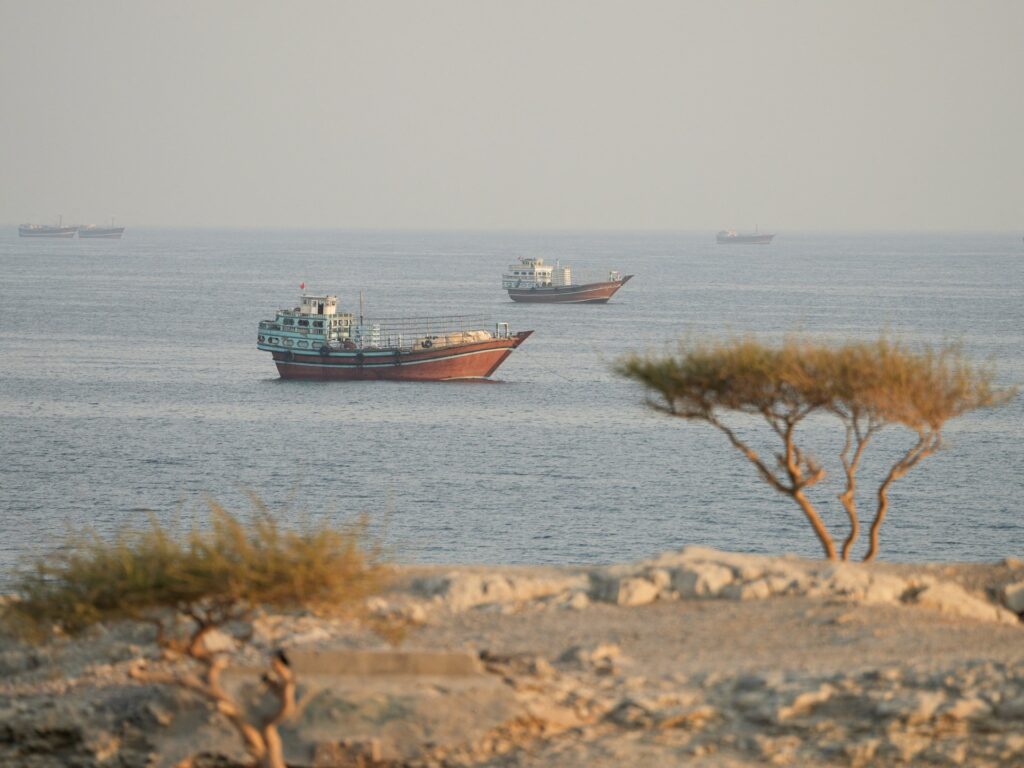
Iranian state media has reported a series of explosions on Qeshm Island, a critical location in the Strait of Hormuz. This waterway is a vital global oil transit chokepoint, making any disruption here particularly significant for international markets and geopolitical stability.
Additional blasts have been reported in the Iranian cities of Jask, Sirik, and Bandar Abbas. These cities are strategically important ports and naval bases along the Persian Gulf, indicating a broadening of the conflict across multiple sites essential for Iran’s maritime and military operations.
The Strait of Hormuz is a key artery for global oil supplies, with around a fifth of the world’s petroleum passing through it daily. Disruptions here can have immediate and far-reaching effects on global energy prices and security arrangements.
The US blockade of land routes is part of a larger strategy to isolate Iran economically and militarily, aiming to curb its regional influence and nuclear ambitions. Such measures come amid heightened tensions and retaliatory incidents that have marked this period.
In response to the US moves and the reported explosions, diplomatic channels are under significant strain, with multiple nations urging restraint and seeking diplomatic solutions to avert further escalation.
The rescue of sailors by the UAE demonstrates the complexities of the conflict, where maritime security and humanitarian concerns intersect. The operation was carried out in conditions described as challenging, underscoring the volatile environment.
Observers note that the simultaneous attacks on multiple ports suggest a coordinated effort to weaken Iran’s control over the Persian Gulf and disrupt its naval capabilities.
The international community remains focused on developments in the region, aware that the situation could rapidly deteriorate, affecting global economic and security interests.
In summary, the conflict around Iran has entered a critical phase with the US implementing blockades, the UAE conducting rescue operations, and Iranian authorities reporting significant explosions in key strategic locations. The evolving situation demands close monitoring as it holds implications for regional stability and international relations.