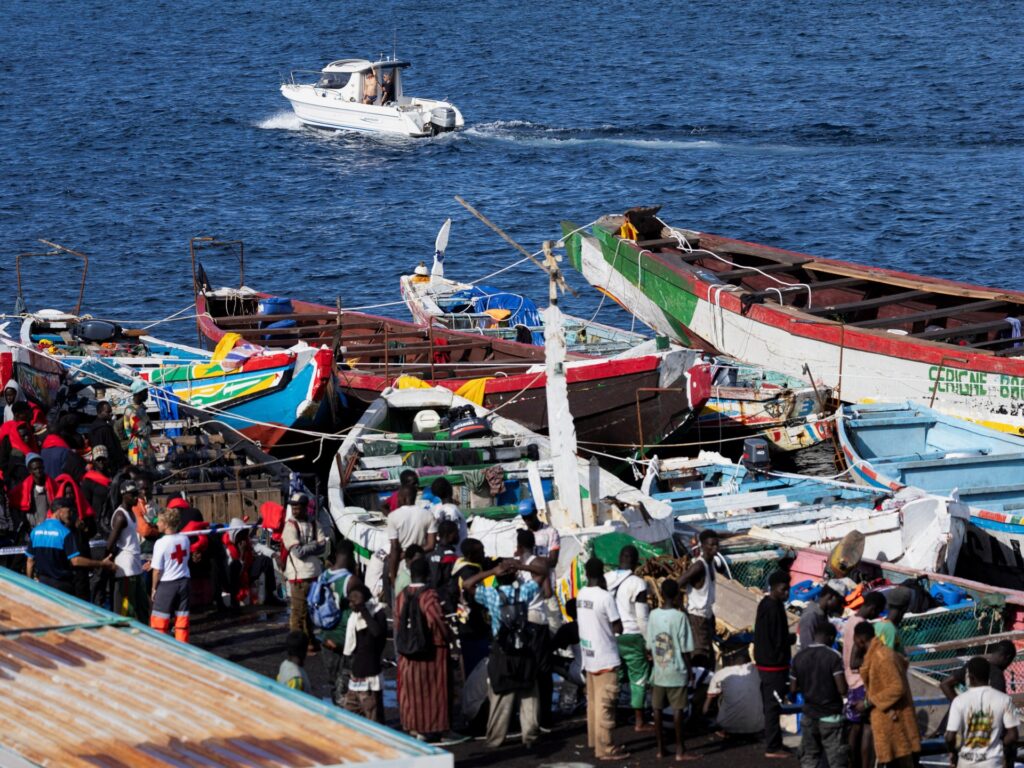
The Canary Islands’ smallest island, El Hierro, has declared a state of emergency due to a significant influx of migrants and refugees arriving by boat. Since the beginning of November, more than 3,300 individuals have reached El Hierro, placing extraordinary pressure on the island’s resources and infrastructure.
Local authorities on El Hierro have expressed grave concern over the rapid increase in arrivals. The island, known for its small population and limited facilities, is struggling to accommodate the sudden wave of people seeking refuge. The emergency declaration highlights the urgent need for support from broader governmental bodies.
In response to the situation, El Hierro’s local government has formally requested assistance from the Spanish government. They are seeking additional resources ranging from humanitarian aid to logistical support to manage the influx effectively and ensure the safety and dignity of the migrants.
The arrival of over 3,300 individuals within such a short period represents a dramatic surge for the island. Many of these migrants and refugees come from regions afflicted by conflict, economic hardship, or political instability, driving them to undertake dangerous sea voyages in search of better lives.
Humanitarian organizations have voiced their concerns about the conditions on El Hierro, urging for swift action to prevent a potential crisis. The island’s limited medical facilities, housing, and basic services are being stretched to their limits.
This migration wave on El Hierro mirrors similar challenges faced across parts of the Canary Islands and Southern Europe, where migration routes have seen increased activity in recent years. Governments and international bodies are called to coordinate efforts to address the root causes driving migration while managing humanitarian impacts on frontline locations like El Hierro.
The Spanish government has acknowledged the situation and is reportedly mobilizing response teams and resources to support the island. Coordination between local, regional, and national agencies remains crucial to mitigating the evolving crisis.
As of now, rescue operations continue at sea, with an emphasis on ensuring safe landings. Enhanced monitoring and rapid response mechanisms have been put in place to address the ongoing arrivals.
El Hierro’s emergency declaration serves as a stark indicator of the broader migration and refugee challenges facing European territories. It underlines the need for comprehensive strategies that balance border security, humanitarian assistance, and international cooperation.
The unfolding situation on El Hierro remains dynamic, with local authorities, national governments, and humanitarian groups working together to manage the immediate needs while exploring long-term solutions to the ongoing migration influx.