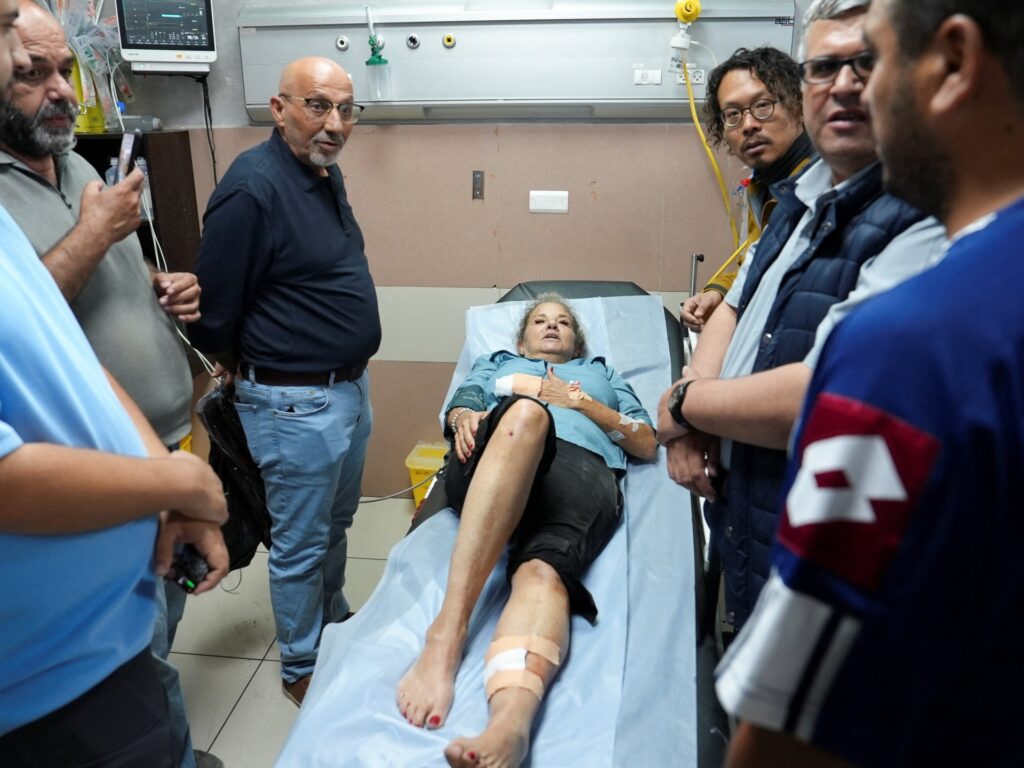
The West Bank witnessed a disturbing escalation of violence as Israeli settlers launched attacks on Palestinians engaged in olive harvesting. This incident not only resulted in injuries but also brought international attention when Washington Post photojournalist Heidi Levine was severely beaten while covering the event.
The attacks occurred during the annual olive harvest season, a critical period for Palestinian farmers who rely on this crop for their livelihood. Settler violence, unfortunately, has become a recurring issue in the region, with confrontations often resulting in damage to property and physical harm.
Heidi Levine, renowned for her courageous journalism, was documenting the situation when she was assaulted. The severity of the attack raised concerns about the safety of journalists operating in conflict zones and highlighted the dangers faced by those reporting on sensitive issues.
Eyewitnesses reported that groups of settlers entered olive groves and began attacking the workers, throwing stones and using physical force. Palestinians were targeted as they tried to protect their trees and harvest their olives, vital to their economy and culture.
Human rights organizations have condemned the attacks, emphasizing the need for protection of civilians and journalists under international law. They called on Israeli authorities to intervene and prevent further violence, urging accountability for those responsible.
The incident has sparked outrage internationally, with calls for immediate measures to ensure the safety and rights of Palestinians in the West Bank. The violence undermines peace efforts and exacerbates tensions between communities in the region.
The plight of Palestinian farmers during the olive harvest is emblematic of broader challenges faced in the West Bank, including restricted movement, land disputes, and settler encroachments. Such attacks not only threaten economic survival but also fuel resentment and conflict.
Levine’s experience has brought renewed attention to the harsh realities on the ground, underscoring the risks journalists encounter while covering conflict and human rights abuses. Her work continues to shed light on the resilience of Palestinians amid ongoing adversity.
In response to the incident, advocacy groups are urging international bodies to increase monitoring and intervention to safeguard both civilians and the press. There is a growing call for balanced and comprehensive approaches to address the root causes of violence in the West Bank.
As investigations continue, the incident serves as a stark reminder of the fragile situation in the region. The international community watches closely, hopeful for a resolution that ensures justice, peace, and security for all parties involved.
This event is part of a pattern of settler aggression reported in recent months, which has intensified fears among Palestinians and raised questions about the effectiveness of current protective measures. Continued violence threatens to further destabilize the fragile socio-political landscape.
The targeted attack on a member of the press also highlights the importance of safeguarding media freedom and ensuring that journalists can carry out their duties without fear of harm or censorship.
Efforts to de-escalate tensions will require concerted actions from all stakeholders, including governments, international organizations, and civil society. The protection of human rights and enforcement of international law remain central to these efforts.
In conclusion, the attack on Palestinians and journalist Heidi Levine in the West Bank is a critical incident that reflects deep-rooted issues within the region. Addressing it requires a committed and coordinated response aimed at fostering peace, security, and justice for the affected communities.