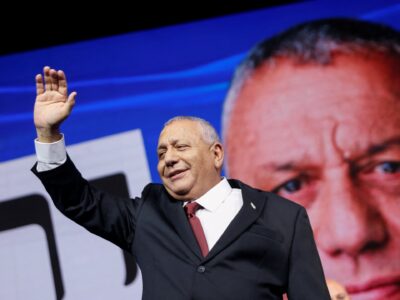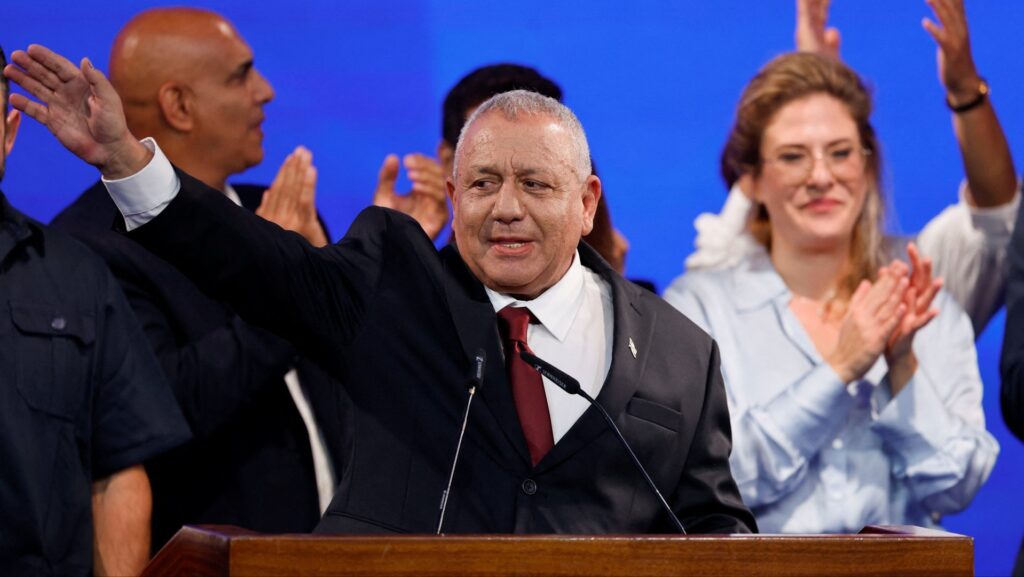
In a significant political development in Israel, President Isaac Herzog has tasked opposition leader Gadi Eisenkot with forming the country’s next government, bypassing the incumbent Prime Minister Benjamin Netanyahu. This decision marks a pivotal moment in Israel’s political landscape, signaling a potential shift in leadership and policy direction.
Gadi Eisenkot, a former Chief of Staff of the Israel Defense Forces, represents the opposition and has been seen as a unifying figure capable of bridging diverse political factions. His appointment comes after Netanyahu struggled to secure enough parliamentary support to form a stable coalition government following recent elections.
The Israeli political system relies heavily on coalition-building, with no single party typically gaining outright majority in the Knesset. Hence, the president’s role in choosing who is likely to succeed in forming a government is crucial. In this case, President Herzog’s choice highlights both Eisenkot’s growing political stature and the challenges facing Netanyahu.
Netanyahu, who has served multiple terms as Prime Minister and led the Likud party, has faced increasing scrutiny both domestically and internationally. His recent tenure has been marked by political instability, contentious policies, and legal challenges, contributing to a fragmented political scene.
Eisenkot’s mandate to form the government involves negotiations with various political parties to assemble a majority coalition. This process will require balancing competing interests and securing commitments from both right-leaning and centrist factions, as well as potentially reaching out to more moderate or even opposing parties.
The president emphasized the importance of forming a government that can ensure stability, enable effective governance, and restore public trust. Eisenkot’s military background and moderate stance are seen as assets in navigating the complex political environment.
Reactions from the political community have been mixed. Supporters of Eisenkot view his appointment as an opportunity for renewal and a break from the divisive politics associated with Netanyahu. Meanwhile, Netanyahu’s supporters argue that he remains the most experienced leader to handle Israel’s security and economic challenges.
Internationally, the decision has garnered attention from allies and adversaries alike. Many countries are watching closely, given Israel’s strategic importance and the potential implications for peace efforts in the Middle East.
Eisenkot now faces the delicate task of uniting disparate political groups to form a functioning government. Success will depend on his ability to negotiate compromises and build consensus, a challenge magnified by Israel’s multifaceted political and social fabric.
If Eisenkot succeeds, he could usher in a new era of governance, impacting everything from domestic policies to foreign relations. Conversely, failure might precipitate further elections or political stalemate, prolonging uncertainty.
The coming weeks will be critical as Eisenkot consults with party leaders and crafts his coalition strategy. Observers expect intense political maneuvering, public debates, and perhaps some unexpected alliances.
This transition period underscores the dynamic and often unpredictable nature of Israeli politics, where leadership contests frequently reshape the country’s trajectory.
As Eisenkot embarks on this endeavor, the nation watches with anticipation, hoping for a government capable of addressing pressing issues such as security, economic growth, social cohesion, and regional diplomacy.
The presidency’s decision underscores the system’s checks and balances, reflecting the complex interplay of political forces in Israel’s parliamentary democracy. It also signals a moment of potential change after years of Netanyahu’s dominance.
In summary, the appointment of Gadi Eisenkot to form Israel’s next government marks a historic juncture. How he navigates this political challenge will define Israel’s immediate future and influence the broader Middle East landscape.