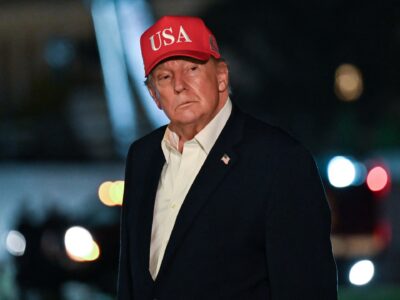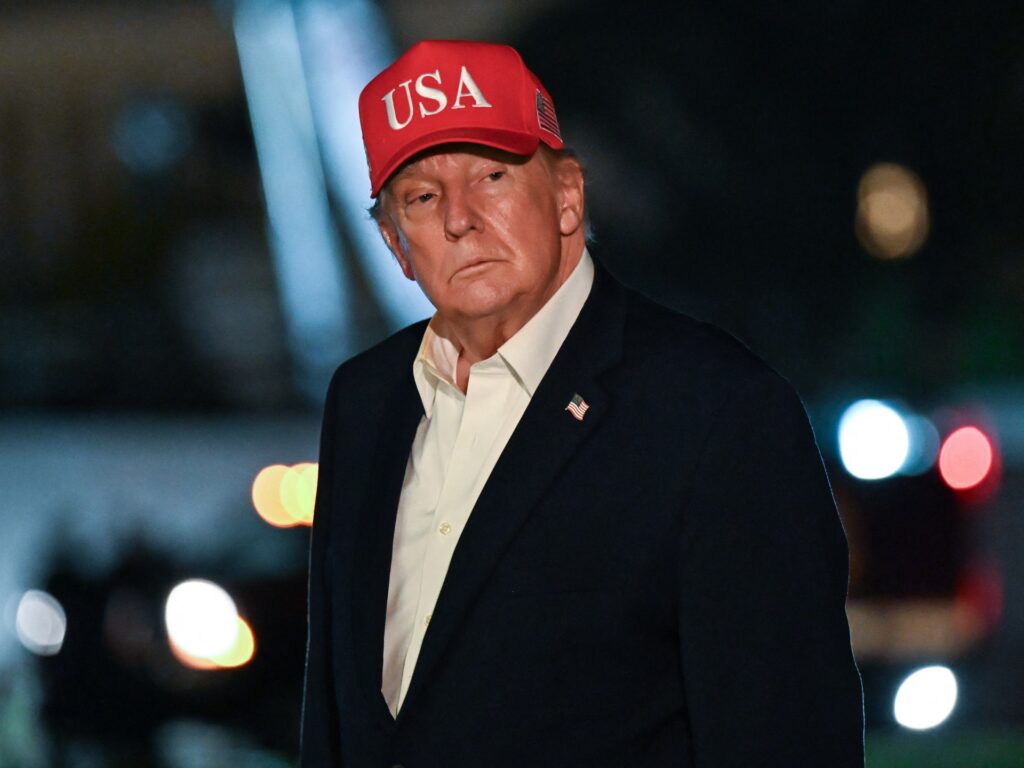
In a significant reversal, President Donald Trump has announced that the execution of Nidal Malik Hasan, the US military officer responsible for the Fort Hood shooting, will not be livestreamed. This marks a direct contradiction to the Pentagon’s prior plan to publicly broadcast the execution, which had sparked widespread controversy and criticism.
Nidal Malik Hasan, an Army psychiatrist, was convicted for his role in the deadly 2009 Fort Hood shooting that left 13 people dead and numerous others wounded. Initially, the Pentagon indicated an intention to livestream the execution to ensure transparency and provide the public with direct access to the proceedings.
However, the decision faced immediate and strong opposition from various quarters including family members of the victims, legal experts, and human rights organizations. Many expressed concerns that livestreaming the execution could sensationalize the event, cause further trauma to families, and undermine the dignity of such a grave judicial process.
Responding to the outcry, President Trump publicly announced the withdrawal of the Pentagon’s plan, emphasizing the need to conduct the execution with respect and decorum rather than as a public spectacle. He stated that the government has a duty to uphold justice while maintaining the solemnity of the judicial system.
The debate around livestreaming executions touches on broader ethical, legal, and societal questions. Proponents argue it increases transparency and accountability, while opponents warn of the psychological impact on viewers and the potential erosion of human dignity.
This decision highlights the challenges in balancing transparency with sensitivity in high-profile legal cases, especially those involving acts of mass violence. It also reflects the ongoing discourse on how digital media should interact with the justice system.
Currently, the exact details of how the execution will be carried out remain undisclosed. Officials have confirmed that it will proceed under strict security and confidentiality protocols.
The President’s intervention has been met with mixed reactions. Supporters praise the move as humane and respectful, while critics question whether it diminishes the importance of public scrutiny in cases of military justice.
As the nation awaits the final steps in this case, the conversation about the intersection of justice, media, and public interest continues to evolve, marking a notable moment in the handling of capital punishment in the digital age.