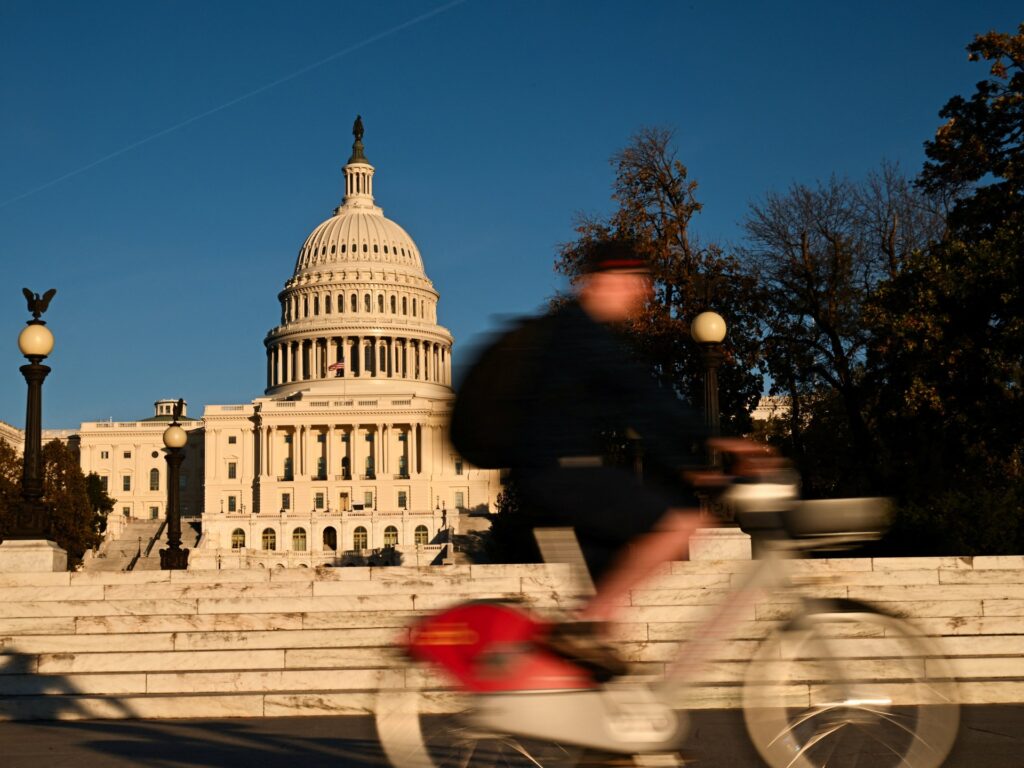
In the 2026 midterm elections held on Tuesday, the Democratic Party has successfully gained a majority in the US House of Representatives. All 435 seats in the lower chamber of Congress were contested in this crucial electoral event. The results mark a significant shift in political power, as control of the House moved to the Democrats, who previously were in the minority.
This victory enables the Democratic Party to influence the legislative agenda more effectively, shaping policies and decisions that impact the nation. The midterm elections, often a reflection of public sentiment toward the sitting president and the broader political climate, demonstrated a shift toward the Democratic platform in this cycle.
Analysts point to various factors contributing to the Democratic gain, including public response to economic conditions, healthcare policies, and social issues currently at the forefront of national discourse. Campaign strategies that focused on grassroots mobilization and voter turnout were pivotal in securing crucial districts across the country.
The Republican Party faced setbacks as several incumbent representatives were unseated, and the party’s hope to maintain or expand its influence in the House was not realized. This outcome could lead to changes in committee leadership and legislative priorities going forward.
As the newly elected House members prepare to be sworn in, attention turns to the challenges ahead. Bipartisan collaboration will be essential to address pressing issues such as infrastructure development, climate change, national security, and economic recovery.
The 2026 midterm results underscore the dynamic nature of American politics, where electoral outcomes can rapidly alter the balance of power. Both parties are expected to reassess their strategies and policies in response to the electorate’s message.
The shift in the House majority will also affect the relationship between Congress and the executive branch, potentially influencing the legislative negotiations and policy implementations during the remaining years of the current presidential term.
In summary, the Democratic Party’s acquisition of the House majority in the 2026 midterm elections marks a pivotal moment in US governance. It reflects the evolving priorities of voters and sets the stage for a new phase in legislative activity aimed at addressing the nation’s critical challenges.