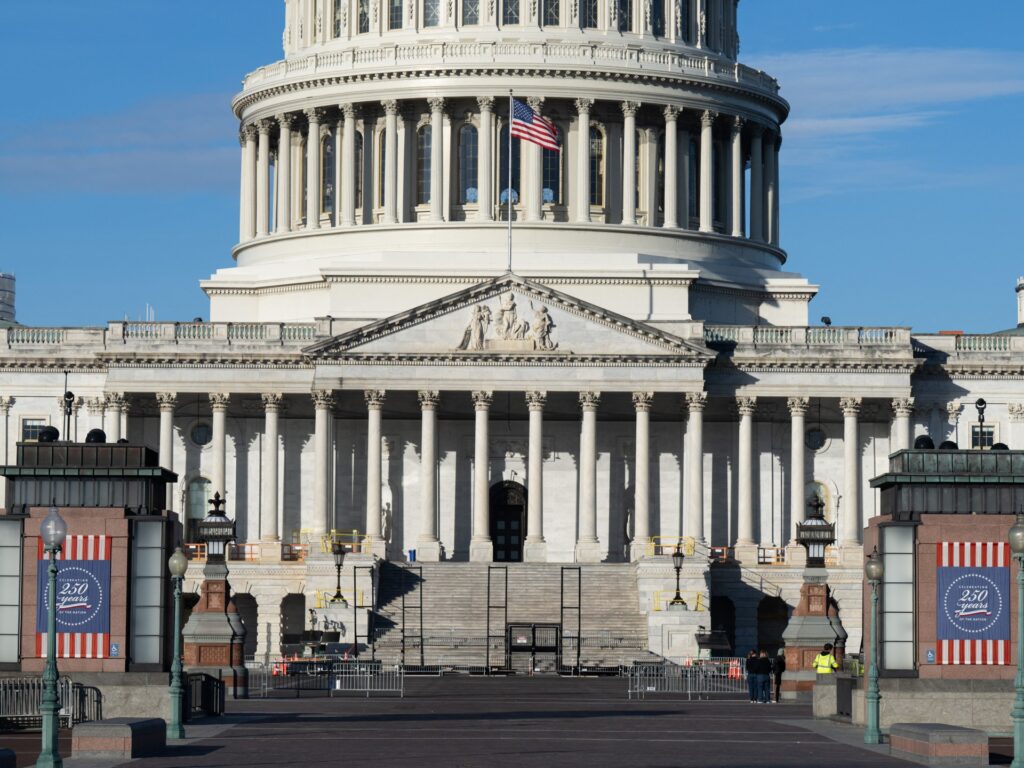
In a significant political development, the Democratic Party has won control of the United States Senate in the 2026 midterm elections. This shift comes after the Republican Party, led by former President Donald Trump, had gained a majority in the Senate during the 2024 elections. Analysts view this outcome as a clear rebuke to Trump’s Republican Party, reflecting shifting voter sentiments and changing political dynamics across the country.
The 2026 midterm elections were closely watched nationwide, as they often serve as a referendum on the sitting president’s party and their policies. The Democrats’ success in reclaiming the Senate majority signals a change in public mood, with many voters expressing dissatisfaction with Republican leadership under Trump’s influence.
Several key races determined the fate of the Senate majority, with Democrats winning crucial battleground states. These victories allowed the party to secure enough seats to surpass the 51-seat threshold needed for control. Senate Democrats are now positioned to influence legislative priorities, including issues such as healthcare, climate change, and economic policy.
The Republican Party’s loss in the Senate comes at a time of internal divisions and debates over the party’s future direction. Trump’s role in shaping the party’s agenda remains a contentious topic among Republicans, and this electoral setback may prompt a reevaluation of strategy and leadership.
Political analysts emphasize that midterm elections often reflect the public’s reaction to recent governmental performance. The Democrats’ gain in Senate seats suggests a desire among voters for change and a shift away from the policies promoted by the previous Republican majority.
In addition to Senate races, Democrats also made gains in other federal and state-level contests, indicating broader momentum for the party heading into the next presidential election cycle. However, the political landscape remains dynamic, and both parties are expected to intensify their efforts to appeal to voters in the coming years.
The implications of the Democratic majority in the Senate are considerable. With control of the chamber, Democrats can advance their legislative agenda more effectively and provide significant checks on Republican initiatives. This control also enhances the party’s ability to influence judicial appointments and federal appointments that require Senate confirmation.
The 2026 midterms indicate a complex and evolving political environment in the United States. Voter engagement and turnout were pivotal in shaping the Senate’s makeup. Campaign strategies, voter mobilization efforts, and key policy issues played critical roles in determining electoral outcomes.
As the Democratic Party takes the reins in the Senate, the coming months will be closely scrutinized to see how this new balance of power affects governance and policy-making. Observers expect intense legislative activity and political negotiations as both parties navigate this new phase in American politics.
In conclusion, the 2026 midterm elections have returned Senate control to the Democratic Party, marking a significant shift from the Republican majority established in 2024. This result underscores the dynamic nature of U.S. politics and highlights the ongoing impact of voter sentiment on national governance and party fortunes.