The geopolitical landscape of southern Lebanon is undergoing significant transformations, primarily due to the implications of Israel’s establishment of what is known as the ‘Yellow Line.’ This new demarcation, symbolizing shifting military lines and changing zones of control, has profound effects on the local Lebanese populations, particularly those residing near the border areas.
Historically, southern Lebanon has been a hotspot for conflicts, with territorial disputes frequently disrupting the lives of its inhabitants. The introduction of the ‘Yellow Line’ has further complicated this already delicate situation. It acts as an unofficial boundary that delineates areas of Israeli military control or influence, leading to altered realities for Lebanese villages nestled close to the frontier.
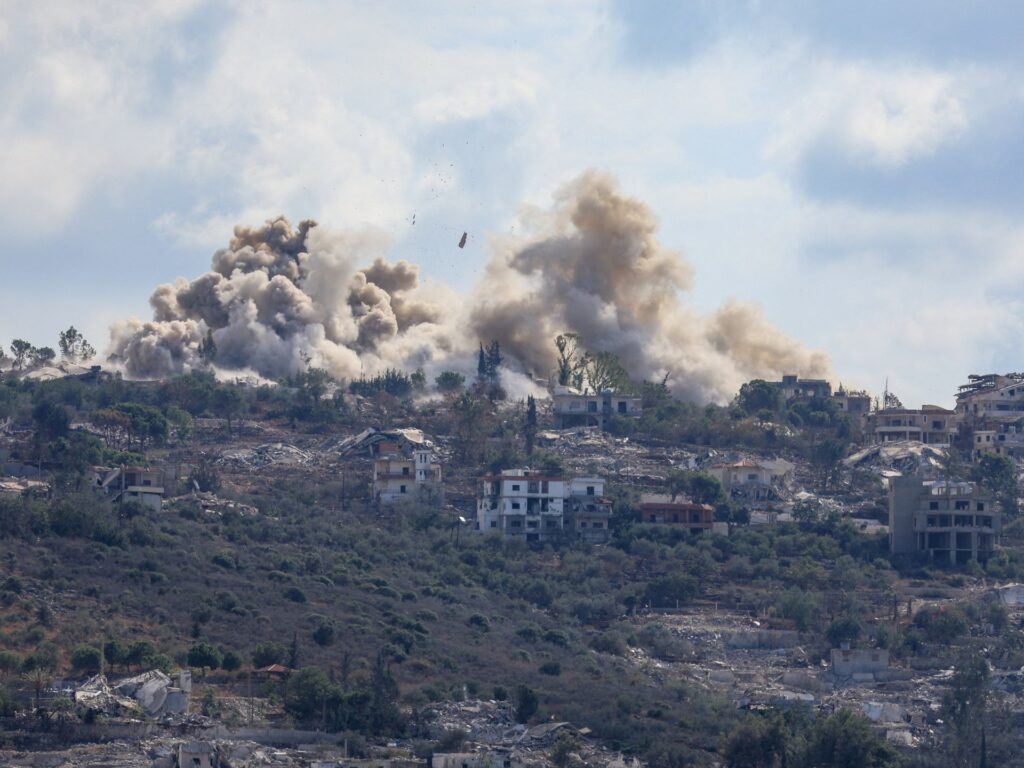
One of the most visible consequences of these shifts has been the demolition of numerous homes. Structures that once stood as homes or agricultural hubs for Lebanese families have been razed, either as part of security measures or as collateral in military operations. These demolitions contribute to a growing atmosphere of uncertainty and displacement.
The changing military lines have also stalled previously anticipated Israeli withdrawals from certain parts of southern Lebanon. Where withdrawal was expected to bring relief and the possibility of returning displaced persons, the stalemate has instead left many Lebanese in precarious positions, caught between the realities of ongoing military presence and the hope for eventual peace.
For the displaced Lebanese populations, the question of return remains fraught. With homes destroyed and territories redrawn, many are unsure if, when, or how they might return to their ancestral lands. The socio-economic and psychological toll of such uncertainty is immense, as communities grapple with loss, insecurity, and the challenge of rebuilding their lives.
The ‘Yellow Line’ thus symbolizes more than a military or geographical boundary; it reflects the broader complexities of the Israel-Lebanon conflict’s impact at the grassroots level. It underscores issues of sovereignty, security, human rights, and the enduring quest for stability in a region marked by protracted conflict.
In conclusion, the reshaping of southern Lebanon through Israel’s ‘Yellow Line’ marks a new chapter in the region’s ongoing saga. The fate of the local populations, the pace of military withdrawals, and the prospects for peace remain deeply intertwined, painting a nuanced picture of a region in flux. As observers and stakeholders watch closely, the lives and livelihoods of southern Lebanon’s residents hang in a delicate balance shaped by the lines drawn in this troubled borderland.