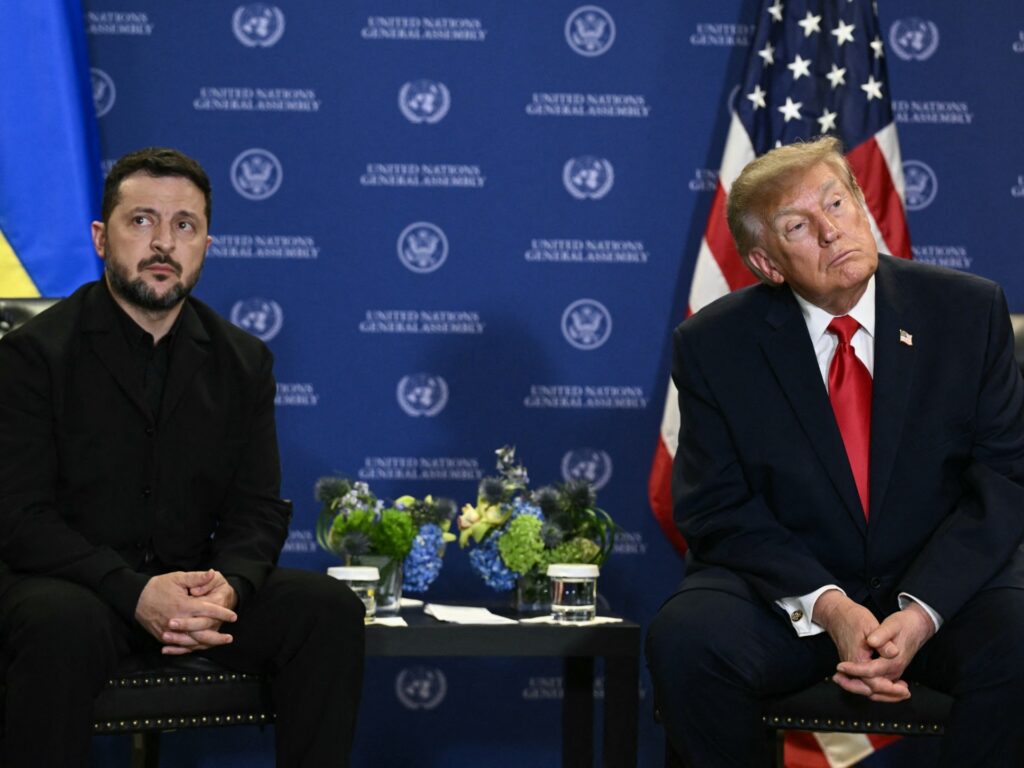
Ukrainian President Volodymyr Zelenskyy has indicated that Ukraine is prepared to agree to an energy truce with Russia, contingent upon a mutual cessation of attacks on critical energy infrastructure. This development comes after discussions with former U.S. President Donald Trump, highlighting international diplomatic engagement aimed at resolving the ongoing conflict.
Zelenskyy emphasized that Kyiv is ready to stop conducting strikes on Russian energy facilities if Moscow simultaneously refrains from attacking Ukraine’s energy systems. The proposed truce aims to mitigate further damage to both nations’ energy capabilities, which have been severely impacted during the conflict.
The ongoing conflict between Ukraine and Russia has seen frequent targeting of energy infrastructure, resulting in significant disruptions and hardship for civilians on both sides. Power plants, electrical grids, and gas pipelines have been vulnerable in the crossfire, leading to blackouts and energy shortages that affect daily life and industrial operations.
In his statement, Zelenskyy underlined the importance of securing energy supplies for Ukrainian citizens, particularly with the onset of colder months when heating demands surge. The decision to signal readiness for a truce reflects Kyiv’s pragmatic approach to protecting its energy assets while seeking a partial escalation pause.
The talks with former President Trump reportedly focused on diplomatic strategies to support Ukraine amid its conflict with Russia. Trump’s involvement underscores the continuing international interest and efforts to facilitate dialogue and peace initiatives.
Energy infrastructure has become a strategic asset and weapon in the conflict, making such a truce potentially beneficial in reducing civilian suffering and stabilizing critical services. Both sides have suffered extensive damages and disruptions due to attacks on energy facilities.
The proposed energy truce also sends a message about the potential for targeted agreements even as broader hostilities continue. It suggests that despite deep-seated tensions, pragmatic negotiations remain possible on specific issues where mutual benefits can be realized.
Experts observe that securing energy infrastructure is vital not only for immediate humanitarian reasons but also for economic stability and longer-term recovery. The conflict has caused disruptions to supply chains and increased energy costs that ripple through regional and global markets.
Implementation of an energy truce would require clear verification mechanisms to ensure compliance on both sides, presenting diplomatic and logistical challenges. However, the willingness to explore such an agreement demonstrates a shift towards more constructive engagements.
Humanitarian organizations have welcomed the prospect of reducing attacks on critical energy infrastructure, noting the severe impact power outages have on hospitals, water supply, and communication systems.
While details of the potential truce remain under discussion, Zelenskyy’s readiness marks a significant step in the ongoing efforts to manage and mitigate the consequences of the conflict.
The international community continues to call for peaceful resolutions, and this energy truce discussion may serve as a confidence-building measure that paves the way for broader negotiations.
As the situation evolves, the emphasis on protecting civilian infrastructure highlights the shared interest in minimizing harm to non-combatants despite hostilities.
Overall, Zelenskyy’s announcement reflects a complex balance of military strategy and humanitarian concern, underscoring the critical importance of energy security in modern conflict scenarios. The potential energy truce offers a glimmer of hope for alleviating some of the conflict’s harshest effects on everyday life in both Ukraine and Russia.