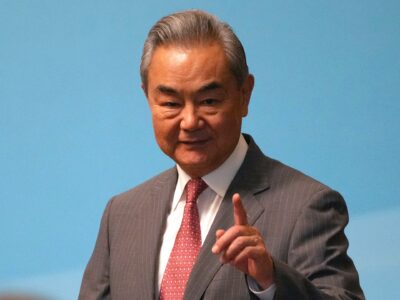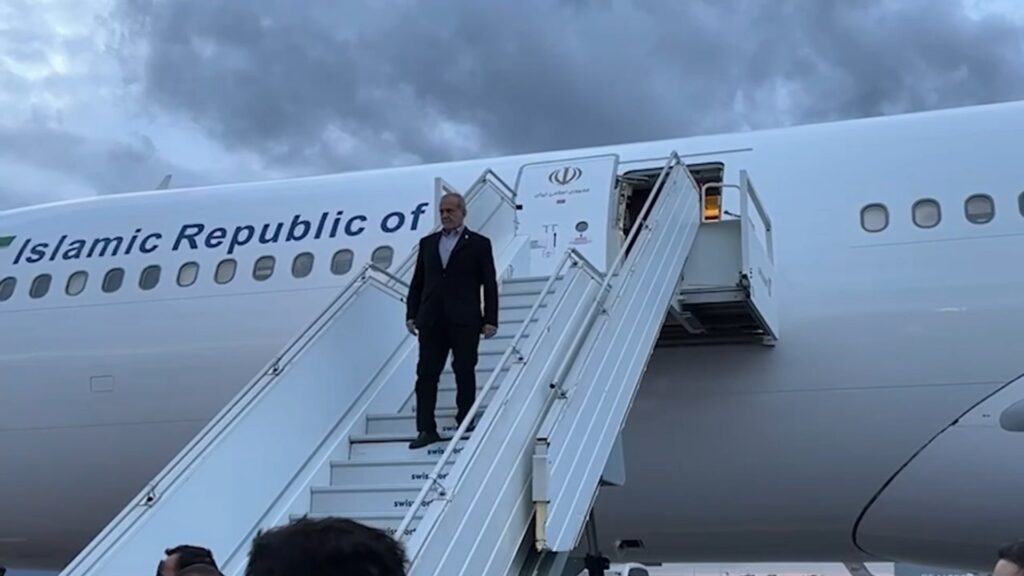
Iranian President Masoud Pezeshkian has arrived in New York City to attend the United Nations General Assembly (UNGA) at a time when tensions between the United States and Iran remain high due to ongoing conflicts and diplomatic challenges. The visit underscores Iran’s intent to engage in international dialogue and address pressing global and regional issues despite the strained relations with the US.
President Pezeshkian’s attendance at the UNGA highlights the importance Iran places on multilateral discussions as a platform to voice its position on matters ranging from nuclear policy to regional security. The ongoing conflict has sparked widespread concern, and the global community is closely watching this diplomatic event for signs of potential easing of tensions or new developments.
Security has been notably heightened in New York due to Pezeshkian’s arrival, reflecting the sensitivity surrounding US-Iran relations. The President is expected to meet with various world leaders and UN officials to discuss ways to promote peace and stability in the Middle East.
The visit comes at a critical juncture, as diplomatic efforts to resolve conflicts have faced significant hurdles. Iran’s presence at the UNGA serves as a reminder of the need for continued dialogue and negotiation to address contentious issues and prevent further escalation.
Observers say Pezeshkian’s speech at the assembly will be closely analyzed for hints on Tehran’s stance and potential shifts in policy. The international community remains hopeful for constructive engagement that could pave the way for improved cooperation and reduced hostilities.
Iran’s participation in the UNGA also emphasizes its commitment to global governance frameworks despite adversities. This visit could potentially open new channels for dialogue and foster mutual understanding among nations involved in the ongoing conflicts.
As the UNGA progresses, all eyes will remain on the Iranian delegation’s interactions with other countries, especially the United States, to gauge any progress in diplomatic relations. The situation remains fluid, and the world anticipates that this event could mark a crucial step toward resolving some of the most pressing challenges in international relations today.