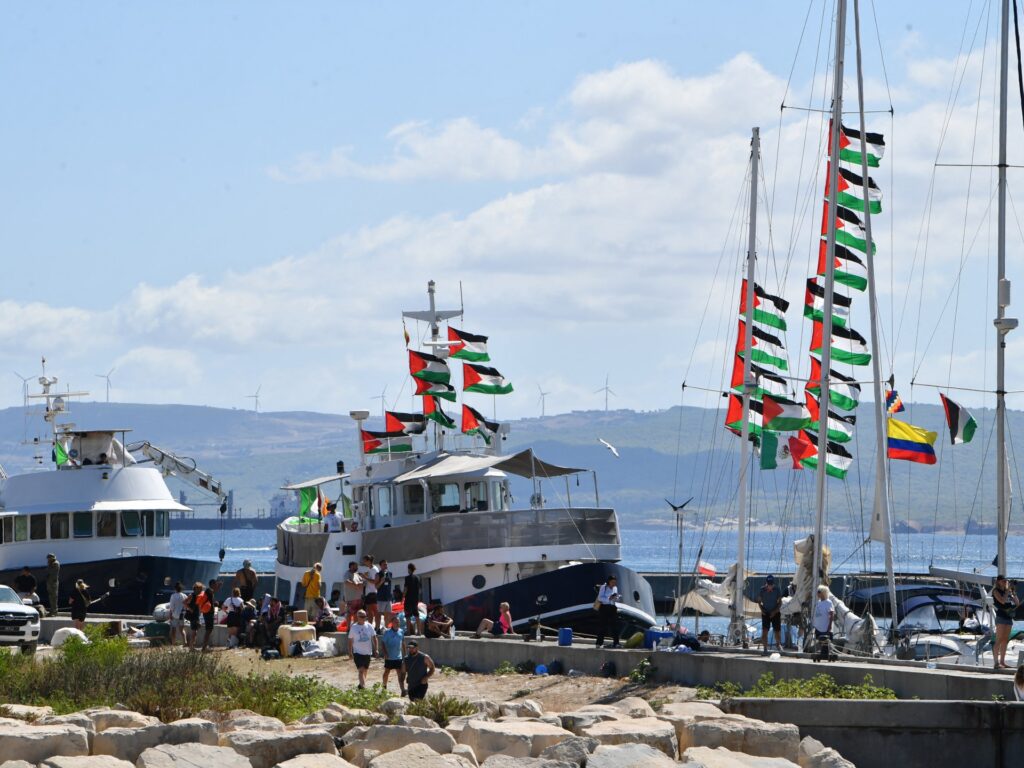
In Tunisia, four activists associated with the Global Sumud Flotilla remain in detention as of this report. These individuals have been held since March, caught up in a financial investigation targeting organizers of the flotilla, which is known for its efforts to challenge blockades and advocate for Palestinian rights.
The case has drawn attention not only because of the prolonged detention but also due to the deteriorating condition of one detainee who has resorted to a hunger strike. The hunger striker’s health is reportedly worsening, raising concerns among human rights advocates and the activists’ supporters about their treatment and the legal processes involved.
The Global Sumud Flotilla is part of a broader movement that seeks to break blockades and bring attention to the situation in Gaza. Organizers and participants often face legal and political challenges, including arrests and investigations. Tunisia’s involvement highlights the regional complexities and the government’s stance on solidarity efforts with Palestinians.
Detaining activists under financial investigation allegations can be indicative of broader attempts to thwart political activism. Supporters argue that these charges might be used to suppress dissent and intimidate those participating in or organizing solidarity movements.
International human rights organizations have called for transparency and due process in the case, emphasizing the need for the activists’ rights to legal representation and humane treatment to be upheld. The health of the hunger striker, in particular, has prompted urgent appeals for medical attention.
As the months have passed with the activists in custody, their families and supporters continue to campaign for their release, highlighting the impact of their detention on the movement and broader advocacy for Palestinian rights. The activists’ detention is seen as part of a larger pattern of repression against political activists in the region.
The authorities have yet to release detailed information on the financial investigation, fueling speculation and concern among international observers about the legitimacy and motivations behind the charges against the flotilla members.
This ongoing situation underscores the tensions inherent in the Middle East, where activism, politics, and human rights frequently intersect, often in contentious and legally complex ways. The plight of the Tunisian flotilla activists remains a stark reminder of the personal risks activists face when engaging in political protests and solidarity actions.