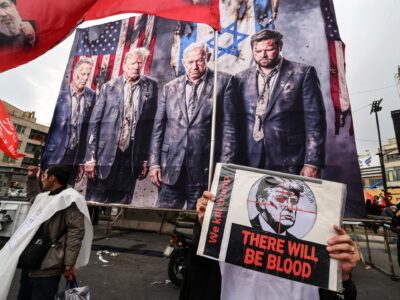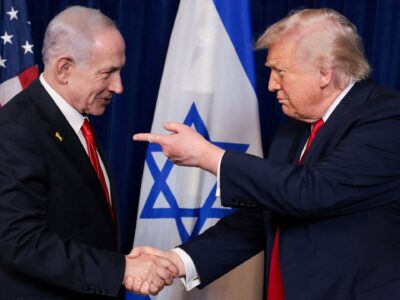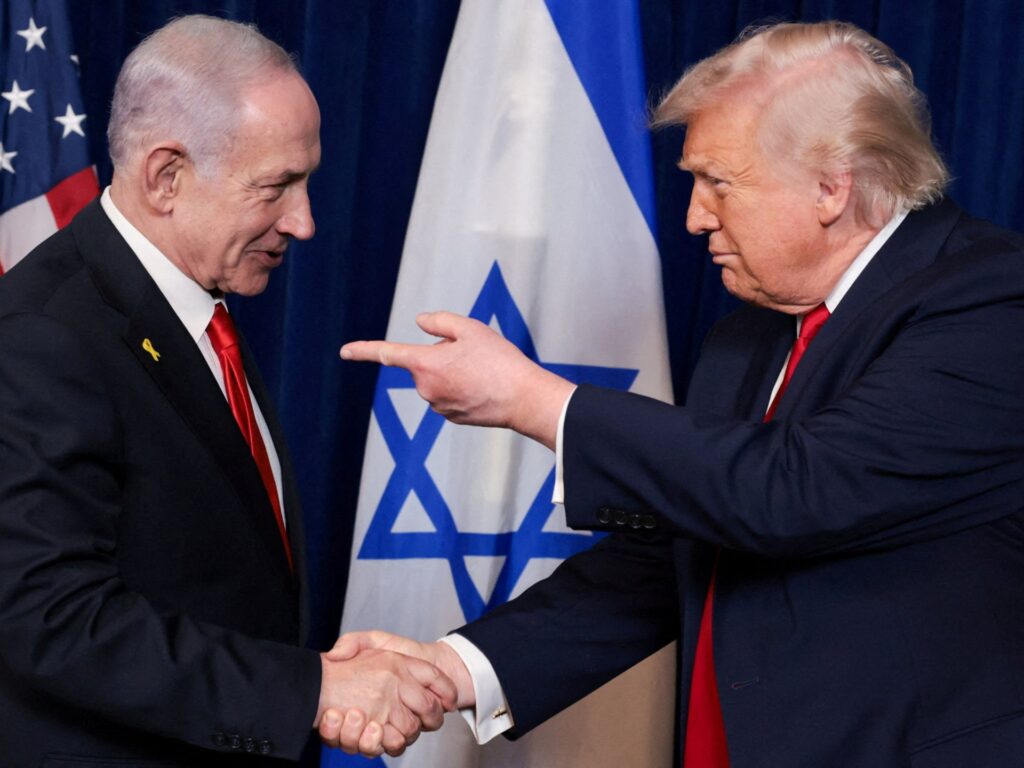
In a dramatic turn of events from the 2024 US presidential elections, the defeat of former President Donald Trump has reverberated far beyond American borders, striking a significant chord in Israeli politics. Israeli Prime Minister Benjamin Netanyahu, known for his close alliance with Trump during his presidency, now finds his political calculus challenged by the unexpected outcome.
Netanyahu’s strategic alignment with Trump was premised on the hope that their shared political ideologies and mutual support would strengthen both their domestic and international standings. Trump’s administration had previously made several decisions favorable to Israel, including recognizing Jerusalem as Israel’s capital and mediating normalization agreements between Israel and some Arab states. However, the US voter rejection of Trump has forced Netanyahu and Israel’s political establishment to reassess the assumptions underpinning their alliance.
The political establishment in Israel now grapples with the dual impact of a lost ally in the White House and a national introspection about their role in influencing American voters. The alignment with Trump, while ideologically consistent, may have inadvertently alienated some segments of the American electorate, particularly those wary of Trump’s polarizing style and rhetoric.
Israeli political analysts argue that the loss presents a strategic setback for Netanyahu, who had hoped that close ties with the US administration would translate into continued international support and leverage. Instead, the rejection signals a potential shift in US foreign policy priorities and a more cautious approach toward Israel.
This electoral outcome also raises questions within Israeli society about the benefits and risks of overly aligning with a single foreign leader or party. Critics suggest that Israel’s political leaders might need to adopt a more nuanced diplomatic approach that transcends partisan US politics to safeguard the country’s long-term interests.
Moreover, the election results have sparked discussions in Israel about the importance of engaging with a broader spectrum of US political actors, including Democrats and moderate Republicans, to maintain balanced and stable relations regardless of who holds the presidency.
Netanyahu’s political opponents in Israel have seized the moment to critique his judgment, arguing that his bet on Trump may have compromised Israel’s diplomatic flexibility and international reputation. They call for renewed efforts to rebuild bridges with global partners and diversify diplomatic relationships.
Despite these challenges, there is also recognition that the US-Israel alliance remains fundamentally strong, rooted in shared values and strategic interests. However, the changing dynamics demand adaptive strategies from Israeli leaders to navigate the evolving geopolitical landscape effectively.
In conclusion, the political establishment in Israel faces a critical juncture as it processes the implications of the US voter rejection of Donald Trump. With both Netanyahu and Trump having lost their bids, Israel must reconsider its diplomatic strategies and political bets to ensure resilience and continued partnership with the United States amidst shifting political tides.