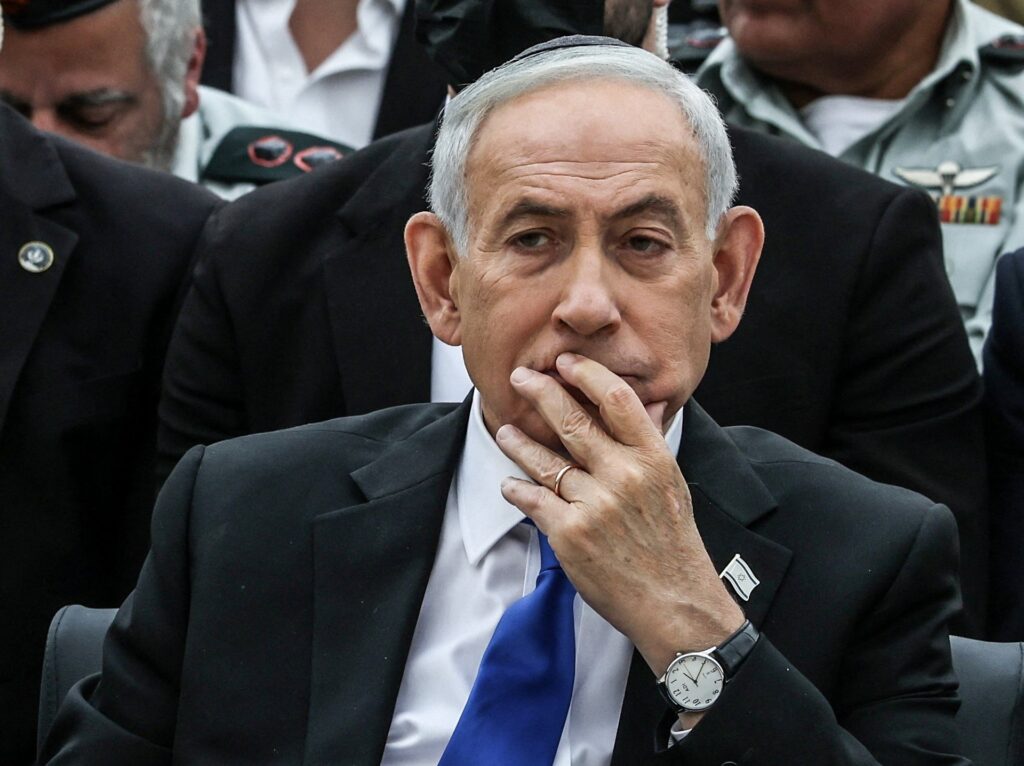
Israeli Prime Minister Benjamin Netanyahu has announced his intention to sue the Israeli newspaper Haaretz over its report claiming that the United Arab Emirates (UAE) President warned him about Hamas’ plans before the October 7, 2023 attacks. The claim suggested that the UAE had prior knowledge of the planned Hamas attack and had allegedly shared it with Netanyahu, which he vehemently denies.
The October 7 attack, one of the deadliest in recent years, was carried out by Hamas militants against Israel, resulting in significant casualties and heightened tensions in the region. In the aftermath, media outlets have scrutinized the timeline of events and the intelligence shared among regional leaders.
Haaretz published an article asserting that the UAE president had provided Netanyahu with warnings regarding impending Hamas operations. This allegation sparked controversy, as it implied that Netanyahu and Israeli intelligence may have had actionable information but failed to prevent the attack.
Netanyahu’s office responded swiftly, categorically denying that any such warning was received from the UAE. The prime minister labeled the report as defamatory and a distortion of facts, emphasizing that it could harm both Israeli-UAE relations and his own reputation.
Legal representatives for Netanyahu have prepared a defamation lawsuit against Haaretz, citing the publication of false information that allegedly undermines national security and diplomatic ties. They argue that the unsubstantiated claim is damaging on multiple fronts and demand a formal retraction and apology from the newspaper.
The UAE has also been careful to maintain a diplomatic stance, with spokespersons avoiding direct comments on the specific allegations but reaffirming the strong bilateral relations between the UAE and Israel.
This incident highlights the complexities of intelligence sharing and media reporting in volatile geopolitical contexts. It also underscores the sensitivity around the handling of pre-attack information and the narratives that emerge afterward.
Analysts note that the lawsuit could set a precedent for media accountability in Israel, especially concerning national security topics. At the same time, it may further inflame tensions between different political factions within Israel and raise questions about transparency in intelligence affairs.
Haaretz, known for its investigative journalism and critical stance on government policies, has not yet publicly responded to the lawsuit announcement. The situation is developing, with both legal proceedings and diplomatic discussions expected to unfold in the coming weeks.
The October 7 attacks continue to have profound impacts on Israeli society and its foreign relations, and this latest dispute adds another layer of complexity to the ongoing narrative around accountability and security in the region.