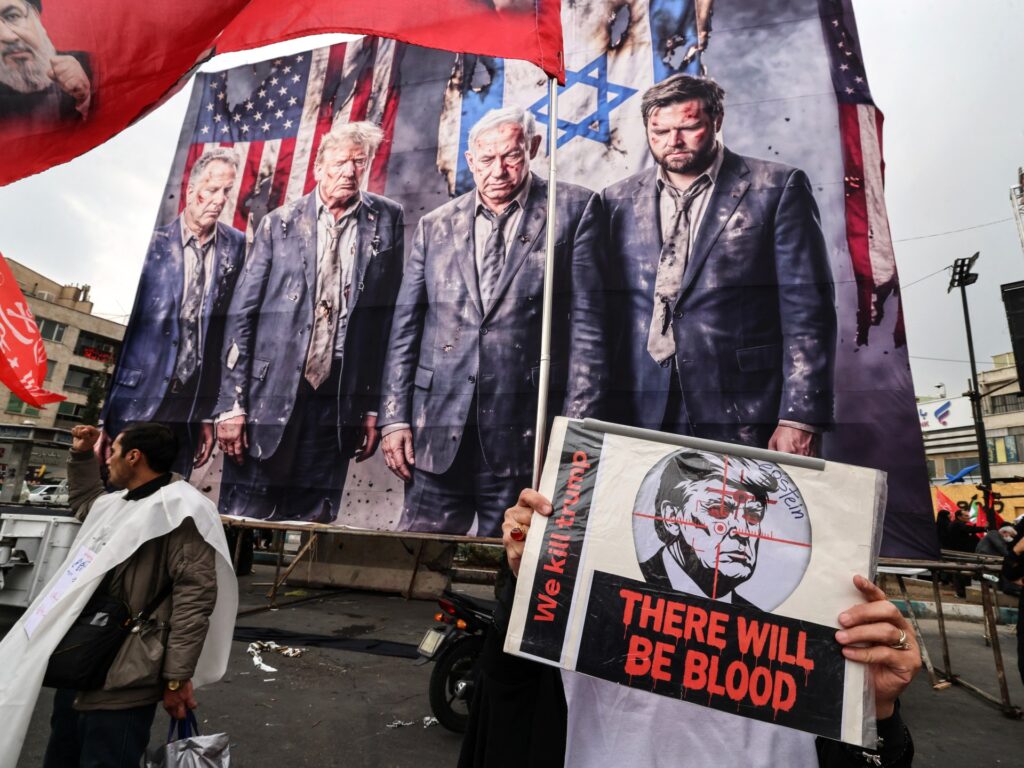
In the wake of the recent US midterm election results, Iranian leaders have expressed a cautious welcome, interpreting the outcomes as a significant indicator of growing frustration within the United States regarding its foreign policy towards Iran. The election results, seen by Tehran as a rejection of former President Donald Trump’s aggressive stance — often termed the ‘war on Iran’ — signal a potential shift in the US approach to the region.
Iranian officials view the election outcomes as an opportunity for a recalibration of relations with the US, hoping for a reduction in tensions that have characterized the past few years. The midterms have brought to the fore internal US dissent about the effectiveness and consequences of Trump’s policies, especially the strict sanctions and diplomatic isolation imposed on Iran.
Despite these hopeful signs from Tehran, concerns remain that Trump could still seek to influence US foreign policy aggressively. His history of confrontational rhetoric and actions towards Iran means that even with changing political landscapes, the risk of renewed hostilities or political attacks looms.
The broader geopolitical context adds complexity to the situation. With global attention focused on various crises, including economic instability and regional conflicts, Iran’s strategic position in the Middle East continues to be of great importance. Tehran’s leadership is keenly aware that the US approach can greatly impact their national security and economic development.
The midterm results bring divided control of Congress, with Democrats gaining some ground but Republicans maintaining key influences. This balance could result in a more restrained foreign policy approach, possibly favoring diplomacy over confrontation. Iranian leaders hope this will lead to the easing of sanctions and a reopening of dialogue.
However, diplomacy faces significant hurdles. The absence of direct communication channels since Trump’s withdrawal from the 2015 nuclear deal, the Joint Comprehensive Plan of Action (JCPOA), complicates efforts. Rebuilding trust between the two nations will require patience, negotiation, and mutual concessions.
Iran’s cautious optimism is tempered by the unpredictable nature of US politics, especially with Trump remaining an influential figure. His potential to attack through political means or incite hardline approaches within the Republican Party means Iran must remain vigilant.
International observers note that the midterm results represent a complex signal: while there is a push within the US political system to reconsider previous aggressive postures, the systemic challenges and individual ambitions may hinder swift policy changes.
Iranian leaders call for constructive engagement and emphasize their commitment to peace and stability in the region. They advocate for a foreign policy shift in Washington that prioritizes dialogue and mutual respect over sanctions and hostility.
In conclusion, the US midterm election results have stirred a mix of cautious hope and ongoing apprehension in Tehran. While the rejection of Trump’s ‘war on Iran’ approach is seen as a positive step, the shadow of his potential interference remains a significant concern. The coming months will be crucial in determining whether these political developments translate into tangible changes in the complex relationship between Iran and the United States.