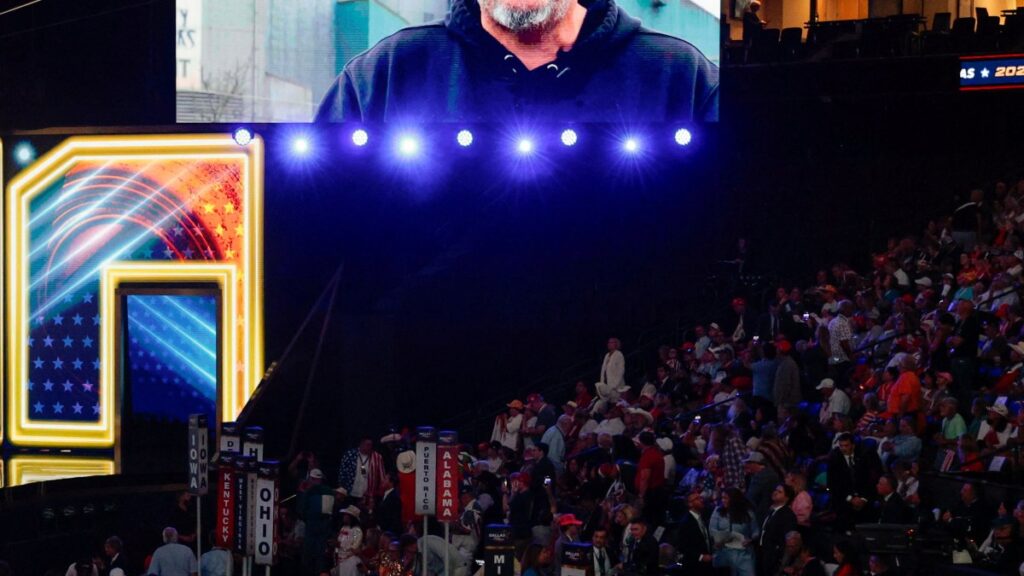
Pennsylvania Senator John Fetterman, known for his pro-Israel stance within the Democratic Party, recently made headlines by appearing in a video message at the Republican National Convention (GOP convention). This unusual move highlights the deep divisions and varied perspectives within the Democratic Party regarding support for Israel and broader political ideology.
Fetterman, who has openly clashed with segments of his party over their approach to Israel, used his platform at the GOP convention to criticize what he terms as “the extremes and socialism” gaining influence within the Democratic Party. His comments signal a growing rift among Democrats, especially on foreign policy and ideological direction.
During his video appearance, Fetterman emphasized his commitment to bipartisan values and support for Israel, which he believes is crucial for U.S. national security and maintaining international alliances. His stance contrasts with more progressive members of his party who advocate for a reassessment of U.S. aid to Israel, reflecting the broader ideological spectrum within the Democrats.
Fetterman’s participation in the GOP event, albeit via video, was met with a mix of surprise and intrigue from political observers. It underscores the complex dynamics within American politics where individual lawmakers sometimes distance themselves from their party’s mainstream to appeal to a wider constituency.
Supporters of Fetterman applaud his willingness to cross party lines and address issues of national importance without strict party loyalty. Critics, however, accuse him of pandering to Republicans and undermining Democratic unity at a time when the party seeks cohesion ahead of crucial elections.
The Pennsylvania senator’s pro-Israel position is particularly significant given recent debates surrounding Middle East policy in the U.S. Congress. Several Democratic lawmakers have called for greater scrutiny of Israel’s actions, which has ignited intense debate on Capitol Hill and within the American Jewish community.
Fetterman’s approach seeks to balance strong U.S.-Israel relations while rejecting what he views as ideological extremes that could alienate moderate voters. His engagement with the GOP convention could be seen as a strategic effort to broaden his support base beyond traditional party lines.
Political analysts note that Fetterman’s actions may reflect a larger trend among some centrist Democrats seeking to reposition themselves amidst shifting political landscapes and contentious party debates. His rhetoric against socialism also resonates with certain voter segments concerned about government overreach and economic policies.
As the 2024 elections approach, the divide highlighted by Fetterman’s video message points to ongoing tensions within the Democratic Party about identity, policy priorities, and coalition-building. It remains to be seen how his stance will influence both his political career and the broader party dynamics moving forward.
In summary, Senator John Fetterman’s pro-Israel advocacy and his willingness to engage with the Republican Party demonstrate the evolving and often complicated nature of American politics, where bipartisan dialogue and ideological clashes coexist.