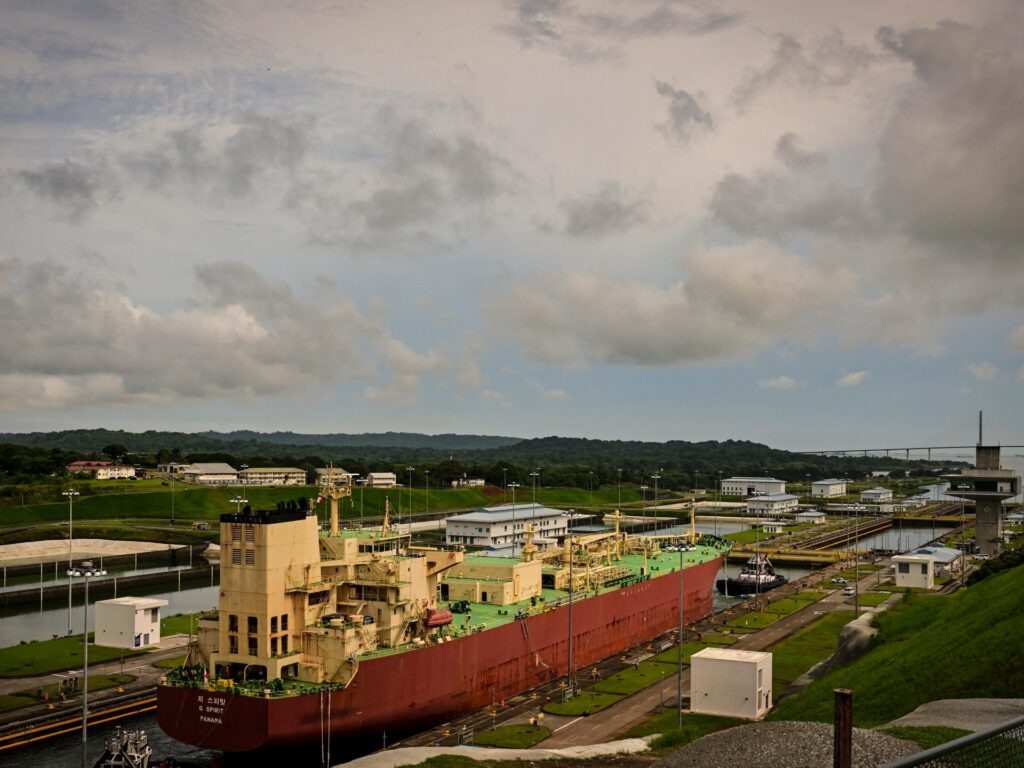
The Panama Canal, a vital maritime shortcut linking the Atlantic and Pacific Oceans, has recently imposed restrictions on vessel traffic due to escalating geopolitical tensions in the Hormuz Strait. This strategic move responds to the heightened crisis in the region, which influences global shipping routes and security considerations.
The Canal Authority has announced limits on the number of vessels that can transit the canal concurrently, a decision that directly impacts shipping schedules. These restrictions aim to manage risks and ensure safety but could lead to considerable delays for vessels waiting to pass through.
The Panama Canal handles approximately 14,000 transits annually, moving around 11-12% of global maritime trade volume. Any limitation on this critical artery can ripple through global supply chains, affecting trade flows between Asia, the Americas, and Europe.
One immediate consequence of the traffic limits is an increase in wait times for ships, which could extend from hours to days. This slowdown disrupts planned logistics operations, especially for industries reliant on just-in-time delivery models.
Shipping companies face rising freight costs as longer transit times translate to increased fuel consumption and higher operational expenses. Additionally, the need to reroute some vessels around the Cape of Good Hope could further escalate costs and delivery times.
The Hormuz Strait crisis involves heightened tensions among key oil-exporting countries, threatening the security of a critical chokepoint for global energy supplies. This instability causes concern among shipping operators who utilize alternate routes passing through sensitive zones.
The Panama Canal’s traffic restrictions underscore the vulnerability of global maritime infrastructure to geopolitical turmoil. The Canal is indispensable for efficient global trade, and disruptions here can amplify economic uncertainty worldwide.
Experts warn that extended restrictions could lead to substantial economic repercussions, including increased prices for consumer goods due to supply chain bottlenecks. Commodities markets may experience volatility as shipping delays affect delivery timing.
Governments and international trade organizations are monitoring the situation closely, urging diplomatic resolutions and contingency planning to mitigate disruptions.
In summary, the Panama Canal’s traffic limits amid the Hormuz crisis highlight the intersection of geopolitics and global commerce. They remind stakeholders of the delicate balance in ensuring the uninterrupted flow of goods through critical maritime gateways.
As the situation evolves, the global shipping industry must adapt to new challenges, incorporating risk management strategies and exploring alternative logistics pathways to sustain trade continuity.
The Panama Canal’s decision to restrict vessel traffic marks a significant development in maritime commerce amid geopolitical instability. Its impacts on shipping delays and freight costs resonate far beyond the waterway, emphasizing the need for vigilance and cooperation in securing essential trade routes.