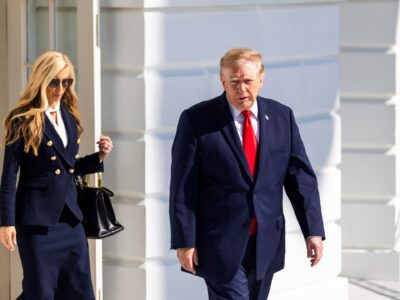
In a significant geopolitical development, the United States has formalized an agreement to control approximately one-fifth of Venezuela’s vast oil reserves. This move was underscored by a high-profile signing ceremony held recently, marking a new chapter in the energy sector and international relations.
Venezuela, known for having some of the largest oil reserves in the world, has been a focal point of energy politics. The new agreement grants US entities greater access and control over a significant portion of these resources, which has substantial implications for global oil markets and the balance of power in the region.
The signing ceremony was attended by top officials from both countries, highlighting the strategic importance of this agreement. US representatives emphasized the potential for increased energy security and economic benefits, both domestically and internationally. They also pointed to the possibility of revitalizing Venezuelan oil production, which has faced challenges in recent years due to political and economic instability.
From the Venezuelan perspective, the deal is seen as an opportunity to attract investment and technology to help tap into their extensive reserves. The government hopes this will lead to job creation and economic stabilization amid ongoing difficulties.
However, the agreement has sparked controversy and criticism. Some factions within Venezuela and the international community view the move as a form of external control over national resources, raising questions about sovereignty and the long-term implications for Venezuela’s economy.
Energy analysts are closely watching how this development will influence oil prices globally. With the US gaining greater influence over Venezuelan oil, there could be shifts in supply dynamics, impacting markets around the world.
This agreement also fits into the broader context of shifting alliances and competition in the energy sector, especially as countries navigate the transition toward renewable energy sources while still relying heavily on fossil fuels.
The US-Venezuela oil agreement represents more than just a commercial deal; it signals strategic positioning in a complex international landscape. As the situation evolves, stakeholders globally will be monitoring the outcomes closely, balancing economic interests with political and environmental considerations.
In summary, the signing ceremony is a landmark event indicating increased US involvement in Venezuela’s oil industry, with wide-reaching consequences for energy markets, international relations, and the future of one of the world’s largest oil reserves.