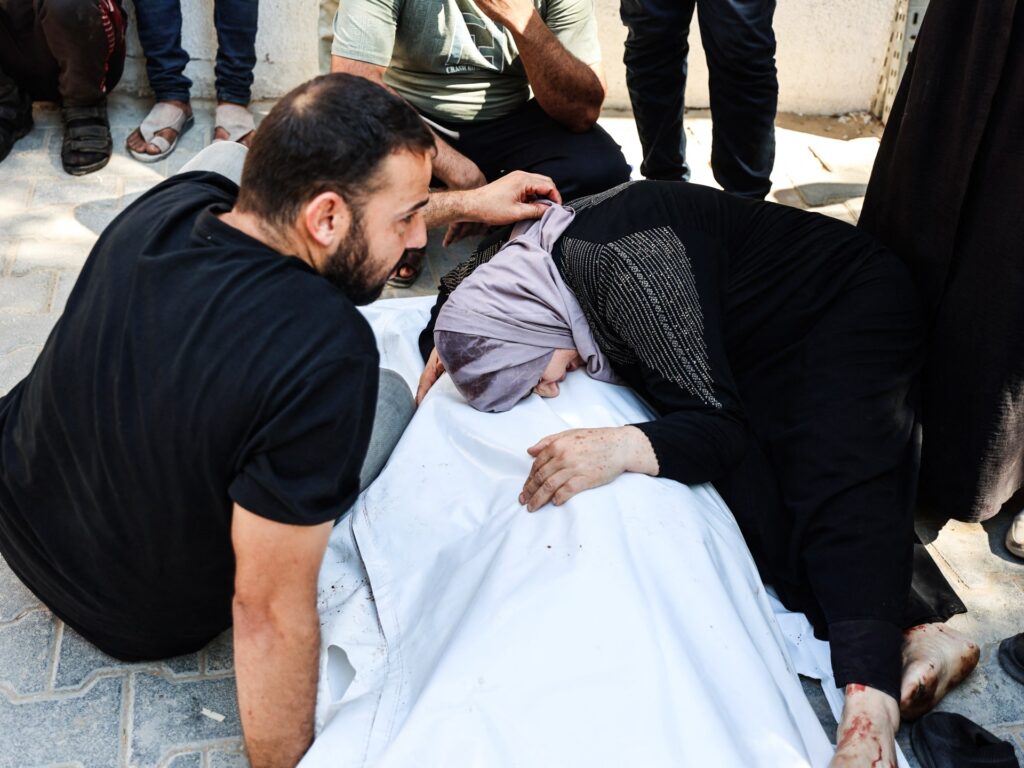
In the latest escalation of violence in the Gaza Strip, Israeli air strikes have killed at least five people, according to recent reports. These attacks come despite a US-brokered ceasefire that was intended to halt hostilities and bring a period of calm to the region. The air strikes targeted multiple locations across Gaza, causing significant destruction and casualties among the civilian population.
The United States had played a pivotal role in negotiating the ceasefire between Israel and Hamas, the militant group controlling Gaza. However, the ceasefire agreement appears to be fragile, with both sides accusing each other of violations. Israeli officials assert that the strikes are a response to ongoing rocket fire from militant groups within Gaza, while Palestinian sources report heavy bombardment disrupting daily life and causing fear among residents.
These recent developments highlight the complexities of achieving lasting peace in the region, where ceasefires often serve as temporary pauses rather than permanent resolutions. The impact on civilians has been profound, with families losing loved ones and infrastructure being damaged or destroyed.
International reactions have varied, with calls for restraint and renewed negotiations to prevent further bloodshed. Humanitarian organizations continue to emphasize the urgent need for aid and protection of civilians caught in the conflict.
The escalation has also raised concerns about the potential for a wider regional conflict, as neighboring countries and international powers monitor the situation closely. The United Nations and other global bodies are urging both parties to return to diplomatic dialogue and prioritize the safety and rights of civilians.
As the situation evolves, the focus remains on finding a sustainable solution that ensures security and peace for both Israelis and Palestinians, recognizing the deep-rooted political, historical, and social challenges that have fueled decades of conflict in the area.