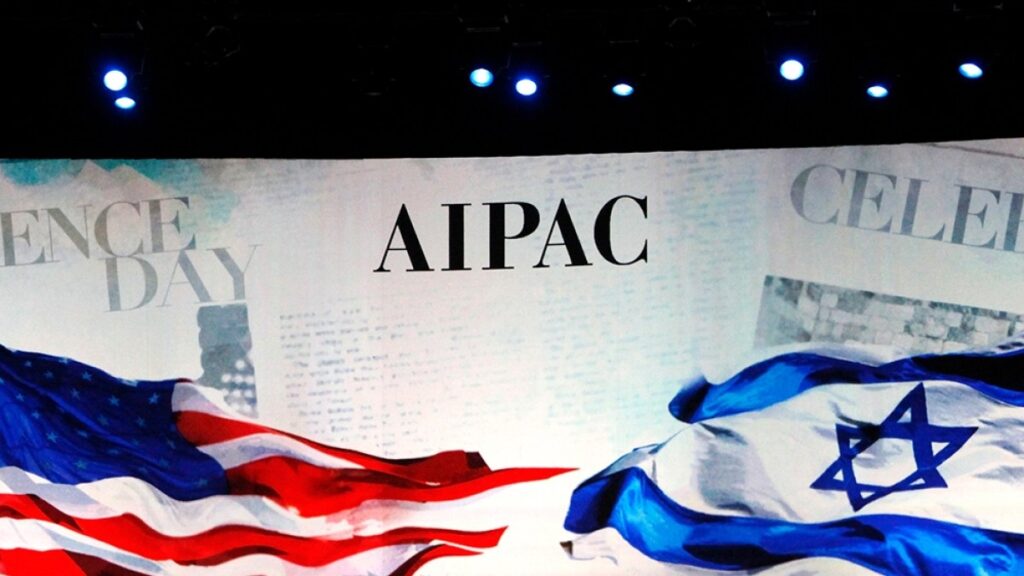
The American Israel Public Affairs Committee (AIPAC), long regarded as one of the most powerful pro-Israeli lobby groups in the United States, is witnessing a decline in its political standing. Traditionally, AIPAC has served as a key player in US-Israel relations, wielding substantial influence over legislators across the political spectrum. However, recent developments suggest that its once unassailable position is facing significant challenges.
AIPAC’s influence has historically stemmed from its ability to mobilize political support and secure bipartisan backing for pro-Israel policies. Yet, shifting political landscapes and evolving public opinions are contributing to the group’s waning clout. Notably, both progressive and right-wing factions are increasingly viewing AIPAC as a liability rather than an asset, signaling a rare convergence of political interests in opposition to the lobby.
On the progressive side, criticisms center on AIPAC’s perceived unwavering support for policies that many view as detrimental to peace efforts in the Middle East. Progressive lawmakers and activists have raised concerns about human rights issues and advocate for a more balanced approach to the Israeli-Palestinian conflict. This ideological divergence has led to growing calls within Democratic circles to reassess the nature of US support for Israel and, by extension, AIPAC’s role in shaping such policies.
Conversely, elements within the right-wing, traditionally considered steadfast allies of Israel, are increasingly distancing themselves from AIPAC. Some conservative factions view AIPAC as too moderate or insufficiently aligned with their broader nationalist and isolationist priorities. Others perceive the organization as out of step with a new wave of political realignment that prioritizes American interests over longstanding foreign policy commitments.
This bipartisan skepticism toward AIPAC marks a significant shift in the US political landscape. The lobby group’s influence, which once guaranteed cohesive and robust pro-Israel legislation, is complicated by internal party dynamics and changing voter sentiments. Social media platforms and grassroots movements are also amplifying alternative perspectives, challenging AIPAC’s traditional messaging and outreach strategies.
Financial dynamics further illustrate AIPAC’s declining grip. While the organization continues to raise considerable funds and maintain access to influential lawmakers, its funders and supporters are diversifying their political contributions, exploring other avenues for advancing pro-Israel advocacy that may better resonate with contemporary political realities.
Another factor contributing to AIPAC’s decline relates to generational shifts among voters and political leaders. Younger constituents display more critical views on foreign policy issues including US-Israel relations. This evolving electorate demands accountability and more nuanced approaches to international diplomacy, diverging from the established pro-Israel lobbying framework.
Despite these challenges, AIPAC remains a potent force within certain circles. Its network, established over decades, continues to wield influence through lobbying, educational programs, and policymaker engagement. However, its ability to dominate the discourse and shape legislation is increasingly contested.
The implications of AIPAC’s declining political standing extend beyond US politics. The group’s reduced effectiveness could impact the broader US-Israel alliance, shifting the nature of bilateral cooperation and diplomatic strategies. It may also encourage other regional and global actors to reconsider their diplomatic approaches to both nations.
In conclusion, AIPAC is encountering a multifaceted decline in its political stature within the United States. The convergence of progressive criticism and right-wing disengagement, combined with changing societal values and political dynamics, underscores a complex transformation. While AIPAC has not lost all influence, its capacity to unilaterally shape US policy towards Israel is clearly diminishing, signaling an evolving chapter in American foreign policy and lobbying practices.