South Korea is set to enhance its maritime security efforts by expanding the patrol range of its specialized Cheonghae anti-piracy unit to areas closer to the strategic Hormuz Strait. This development marks a significant move by Seoul to counteract piracy threats and protect vital shipping lanes in one of the world’s most critical maritime chokepoints.
The proposed expansion aims to stretch the unit’s operational reach toward waters near Duqm, Oman, a coastal city that serves as a pivotal maritime hub in the Gulf region. By extending patrols to this zone, South Korea seeks to bolster the security of commercial vessels navigating through the Gulf of Oman and adjoining waters, which are essential conduits for global energy supplies.
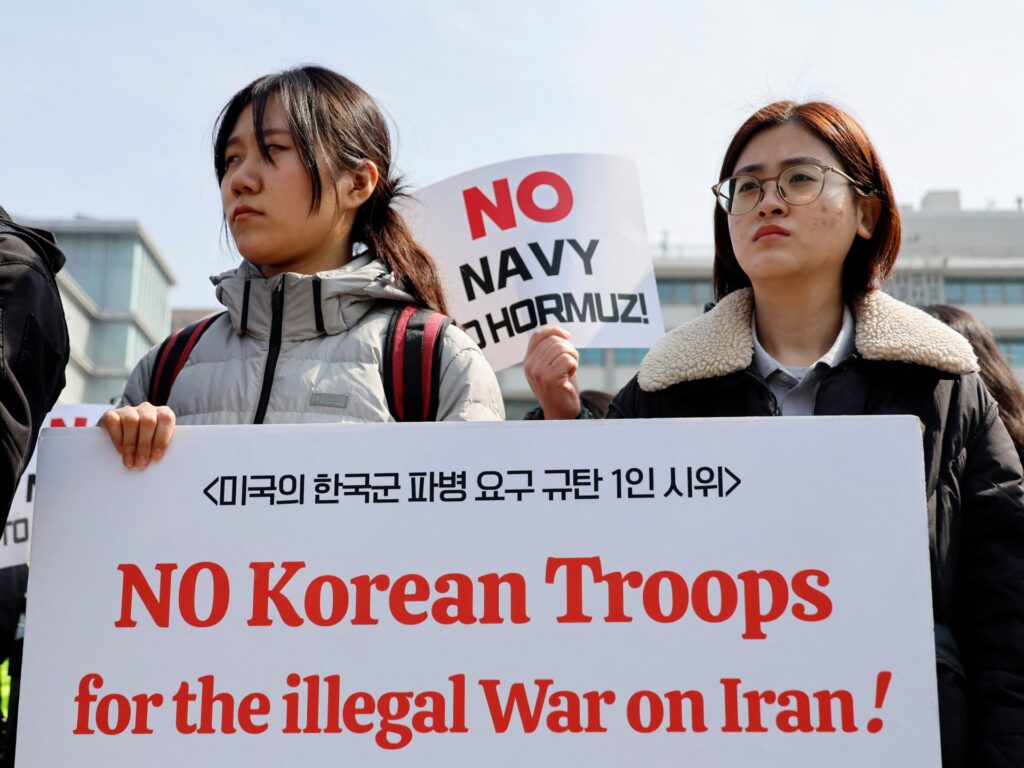
This initiative comes amid rising geopolitical tensions in the region, particularly involving Iran and the United States. The U.S. has been actively pressing allies, including South Korea, to take a more assertive stance against Iran’s influence and potential threats in the region. The Hormuz Strait has historically been a flashpoint due to its strategic importance in international trade and oil transport.
South Korea’s Cheonghae unit, initially launched to combat piracy off the coast of Somalia, has garnered significant experience in anti-piracy operations. The expansion of their patrol area signals Seoul’s commitment not only to contribute to global maritime security but also to safeguard its own economic interests, as many South Korean vessels transit these waters.
Observers note that this move could strengthen South Korea’s diplomatic ties with Gulf countries by demonstrating a proactive approach to regional security. It will also align South Korea more closely with the security objectives of the United States and its allies in curbing maritime threats and ensuring the uninterrupted flow of commerce.
The proposed extension to the anti-piracy mission does not represent a direct military engagement but rather an increased naval presence aimed at deterrence and rapid response. It underscores the importance of multilateral cooperation in addressing complex security challenges in international waters.
In conclusion, South Korea’s plan to expand its anti-piracy patrols near the Hormuz Strait reflects a strategic adjustment responding to evolving regional dynamics and international pressures. It highlights Seoul’s role as a responsible maritime actor committed to safeguarding crucial global shipping routes while managing delicate geopolitical relations in the Gulf region.