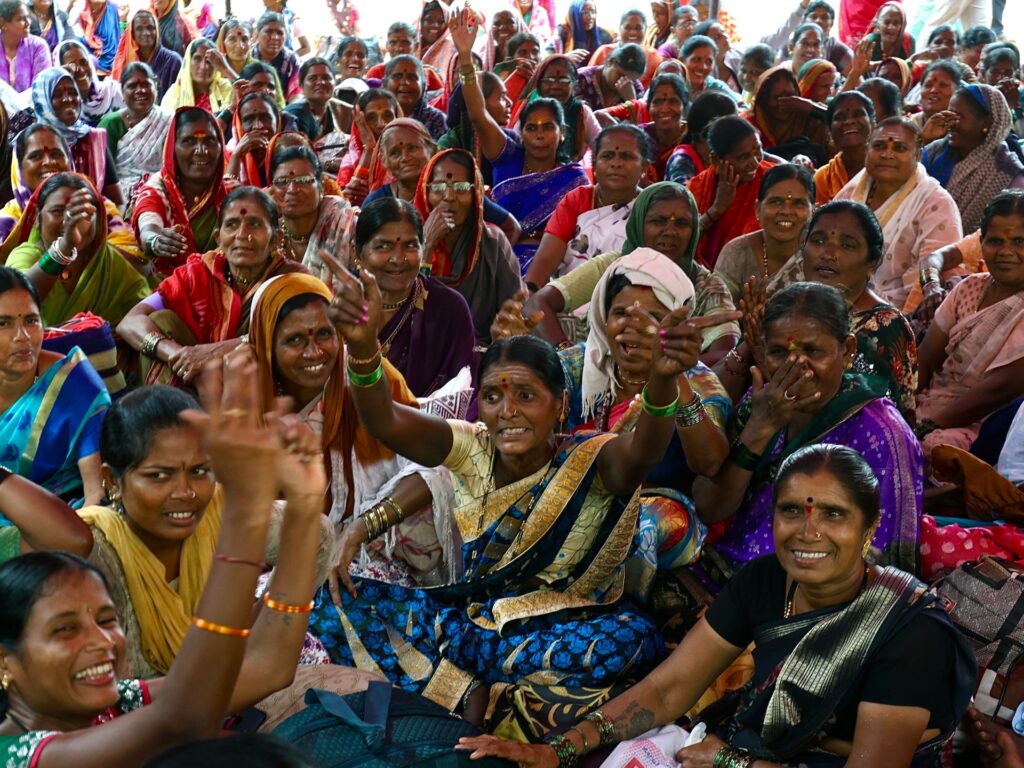
The United Nations Committee on the Elimination of Racial Discrimination (CERD) has recently expressed serious concerns regarding India’s handling of hate crimes, particularly those targeting Bengali-speaking Muslims. The international watchdog has urged the Indian government to take stronger actions to protect vulnerable minority groups and to combat discrimination more effectively.
CERD’s report highlights a worrying trend of hate crimes and communal violence in certain regions of India, emphasizing the need for immediate and comprehensive measures. Bengali-speaking Muslims, in particular, have been identified as a group facing frequent harassment and violence, a situation that exacerbates social tensions and undermines the country’s constitutional commitment to equality and justice.
The committee has called on India to implement robust legal and policy frameworks to prevent hate crimes and ensure that perpetrators are held accountable. Strengthening law enforcement training, enhancing community outreach programs, and fostering interfaith dialogue have been recommended as key strategies.
Beyond the concerns about Bengali-speaking Muslims, CERD’s report also addresses the broader issue of minority protections in India. It stresses that various other ethnic, linguistic, and religious minorities require enhanced safeguards to preserve their rights and cultural identities.
India, a nation known for its diversity and pluralism, faces the challenge of balancing its democratic ideals with the realities of rising intolerance and discrimination. The government’s response to CERD’s recommendations will be closely watched by international observers and human rights advocates.
This criticism arrives at a delicate time when India is grappling with internal social dynamics alongside its ambitions on the global stage. Ensuring the safety and dignity of all citizens, regardless of their background, remains paramount for India’s stability and progress.
Moving forward, India’s policies and actions in addressing hate crimes and protecting minorities will not only shape its domestic harmony but also influence its international reputation. The role of civil society, judiciary, and the media will be crucial in supporting these efforts.
In conclusion, the call from the UN watchdog highlights the urgent need for India to reaffirm its commitment to combating racial discrimination and to uphold the rights of all its citizens, especially marginalized communities such as Bengali-speaking Muslims. Effective implementation of inclusive policies and protection mechanisms will be essential in achieving this goal.