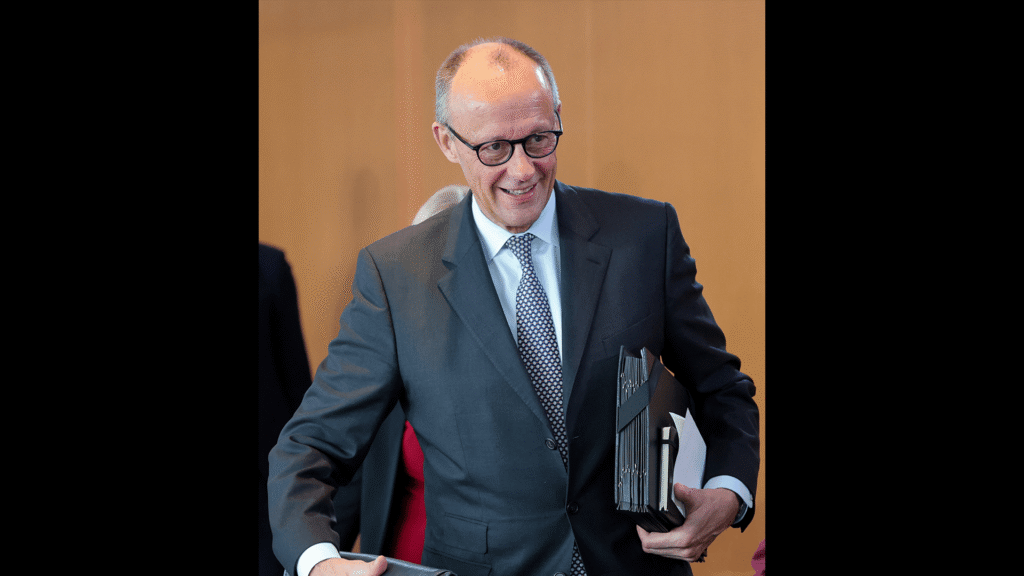
German Chancellor Friedrich Merz has expressed his anticipation that US President Donald Trump will persist in bypassing Congress despite his party’s recent setbacks in the midterm elections. Merz’s remarks highlight concerns about the ongoing executive-legislative tensions in the United States under Trump’s administration.
The midterm elections have traditionally served as a barometer of public support for the sitting president and his policies. However, even with losses that typically weaken a president’s influence over legislative affairs, Merz believes that Trump will continue to act unilaterally.
Merz’s perspective stems from observations of Trump’s previous behavior and approach to governance. Throughout his presidency, Trump has frequently circumvented Congress by issuing executive orders, challenging legislative norms, and engaging directly with his base through alternative channels such as social media. This strategy has often been interpreted as a way to maintain control over policy directions without reliance on congressional support.
The German Chancellor’s prediction also underscores the broader implications for international relations. Given Germany’s close ties with the United States and its role within the European Union and NATO, understanding the dynamics of US governance is essential for diplomatic engagement and coordination on global issues.
Observers note that a president’s decision to bypass Congress can complicate legislative processes and affect the stability of democratic institutions. Critics argue that such actions may undermine checks and balances designed to ensure accountable governance.
Despite the midterm losses for Trump’s party, which typically signal decreased political capital and influence, Merz expects the president to continue exercising executive power with minimal legislative collaboration. This expectation aligns with Trump’s demonstrated preference for executive action as a means of advancing his agenda.
The situation raises questions about the future of US domestic policy and its international consequences. With a potentially more divided Congress, legislative gridlock and conflicts may become more pronounced, prompting the executive branch to take additional unilateral steps.
Germany, along with other global partners, is closely monitoring these developments, recognizing that abrupt policy shifts from the US can have ripple effects across economic, security, and diplomatic domains.
In conclusion, Chancellor Friedrich Merz’s forecast that President Trump will continue to ignore congressional checks despite setbacks highlights ongoing challenges in US governance. This stance has significant implications for both domestic political stability and international relations, emphasizing the need for vigilance and adaptive diplomatic strategies in a rapidly evolving political landscape.