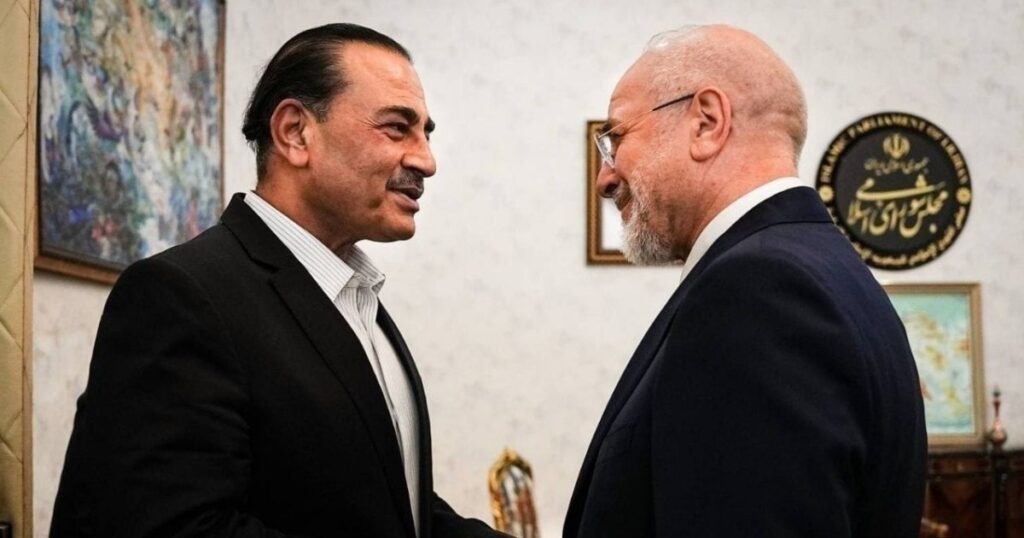
As tensions persist between Iran and the United States, Pakistan’s military chief, General Asim Munir, has embarked on a crucial diplomatic mission to Tehran. The primary objective is to engage with Iran’s military leadership to revive stalled dialogue and ease regional security concerns. This diplomatic endeavor underscores Pakistan’s strategic role as a mediator in the complex geopolitical landscape of the Middle East.
General Munir’s visit to Tehran marks a significant development as Iran’s security establishment has been notably cautious, given their longstanding distrust of Washington. The United States’ ongoing sanctions and military presence in the region have caused Tehran to adopt a guarded stance, complicating international efforts to foster constructive dialogue.
According to official statements from Islamabad, initial discussions in Tehran have yielded progress, indicating a willingness on both sides to explore pathways for renewed communication. However, the depth and scope of this progress remain shrouded in cautious optimism, reflecting the delicate balance Iran seeks to maintain in navigating its foreign relations.
Iran’s military chiefs, who possess considerable influence over the country’s strategic decisions, remain wary. Their skepticism is rooted in concerns over US intentions and the broader geopolitical dynamics that influence Iran’s national security policies. The military elite’s apprehensions pose a significant challenge to sustained dialogue, as they prioritize safeguarding Iran’s sovereignty and regional interests.
General Munir’s diplomatic initiative is viewed as part of Pakistan’s broader strategy to strengthen regional stability. Pakistan, sharing borders with both Iran and Afghanistan, has vested interests in preventing escalation and fostering peaceful coexistence among neighboring states. By facilitating dialogue, Islamabad aims to contribute to de-escalation and promote mutual understanding in a region fraught with tensions.
The talks also signify Pakistan’s emerging role as a regional peace broker, leveraging its diplomatic channels to mediate conflicts and reduce the risk of military confrontations. This role aligns with Pakistan’s ambition to enhance its standing in international diplomacy, projecting its capacity for constructive engagement beyond its immediate regional concerns.
Despite the cautious progress reported, analysts highlight that the path ahead remains challenging. The underlying mistrust between Iran and the US, compounded by broader geopolitical rivalries, continues to cast a shadow over diplomatic efforts. The success of General Munir’s mission hinges on his ability to navigate these complexities and build confidence among Iran’s hardline military leaders.
Experts also note that renewed talks could have far-reaching implications for regional security, potentially opening channels for dialogue on contentious issues such as nuclear proliferation, military deployments, and economic sanctions. Improved communication could alleviate some security dilemmas and reduce the likelihood of inadvertent conflicts.
In summary, Pakistan’s Asim Munir has taken a pivotal step toward reviving Iran talks by engaging Iran’s military chiefs. While progress has been made, the inherent wariness within Iran’s security establishment towards Washington complicates the path forward. Nonetheless, this diplomatic effort reflects Pakistan’s strategic intent to foster regional peace and stability amidst ongoing geopolitical tensions.