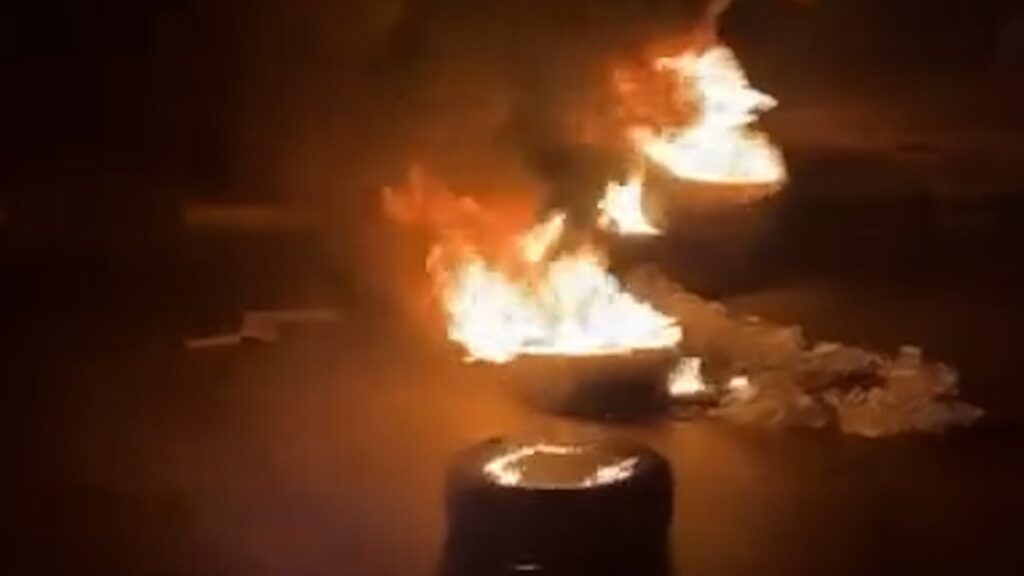
In recent days, Libya has witnessed significant civil unrest as citizens protest vehemently against persistent power cuts affecting numerous regions across the country. Demonstrators have taken to the streets, erecting roadblocks and setting tyres ablaze, signaling growing frustration with the unreliable electric supply.
The protests come amid a backdrop of ongoing political instability and economic challenges that have hindered Libya’s infrastructure maintenance and development. Power outages have become an increasingly frequent issue, disrupting everyday life, businesses, and essential services.
Residents report that electricity cuts can last several hours to entire days, severely impacting households and critical facilities such as hospitals. This has prompted urgent demands from protestors for authorities to implement immediate solutions.
Roadblocks consisting of burning tyres and debris litter major streets and intersections, sometimes causing significant traffic disruptions. These acts of defiance have been met with some police response, but the scale of demonstrations indicates widespread discontent.
Community leaders and activists are urging the government to prioritize energy infrastructure, invest in sustainable power sources, and improve management of existing systems. Many citizens emphasize that reliable electricity is fundamental for social stability, economic recovery, and improved quality of life.
The Libyan government has acknowledged the power supply challenges, citing issues such as fuel shortages, aging equipment, and the impact of ongoing conflict on infrastructure upkeep. Officials have promised to allocate resources toward repairs and upgrades, although tangible improvements have yet to materialize on the ground.
International observers have noted that Libya’s energy crisis not only heightens domestic tensions but also threatens to undermine prospects for broader reconstruction efforts following years of civil strife.
As the protests persist, experts warn that failure to resolve the power situation risks exacerbating social unrest and impeding Libya’s path towards stability and development.
The unfolding events highlight the critical intersection between governance, infrastructure resilience, and citizen welfare in post-conflict Libya. The coming weeks will be crucial as various stakeholders seek to address the power supply crisis amidst demands for accountability and reform.