The Washington Post has been ordered to rehire Karen Attiah after a controversial incident involving social media posts about Charlie Kirk, a conservative commentator. Attiah was previously fired for posts that the Post claimed violated its social media policy. This decision has sparked a significant debate about journalistic freedom, employer policies, and the limits of social media expression by public figures.
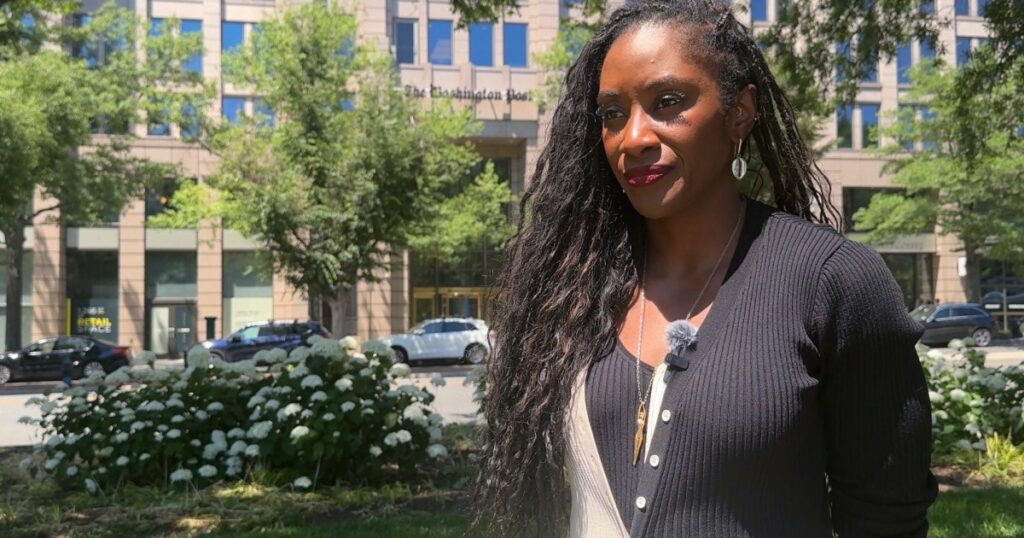
Karen Attiah, a prominent journalist known for her commentary on social justice and international affairs, faced suspension and eventual firing over a post related to Charlie Kirk’s assassination. The Washington Post stated that her posts breached their established social media policy, which aims to maintain professionalism and uphold the company’s reputation.
The incident began when Attiah posted on her personal social media account regarding the assassination of Charlie Kirk. The Post perceived the content as crossing a line into unacceptable territory, prompting disciplinary action. However, this move was met with widespread criticism from various quarters, arguing it was an infringement on Attiah’s freedom of speech and a harsh response to a personal opinion expressed outside of work.
Following ensuing legal and public pressure, a ruling was made mandating her reinstatement. Experts say this case underscores the evolving challenges news organizations face in regulating employee behavior on social media while balancing their rights as individuals.
The Washington Post’s enforcement of its social media guidelines has ignited discussions about how news entities manage their digital presence and the extent to which they can control their staff’s actions online. Employees often walk a fine line between personal expression and professional responsibility, and this case highlights the complexities involved.
Karen Attiah’s rehiring is seen by many as a victory for press freedom advocates, who argue that journalists should have the ability to express personal views without fear of losing their jobs, provided they do not compromise the factual integrity and neutrality expected in their professional roles.
The Post has expressed its intention to review its social media policies in light of the ruling to better define acceptable standards and prevent similar incidents in the future. The company also emphasized its commitment to diversity of thought and healthy discourse within its ranks.
The incident has also spurred wider conversations about political polarization, the rise of cancel culture, and the delicate balance organizations must maintain when responding to controversial speech by their employees. Legal analysts note that while private companies have the right to enforce policies, they must also navigate the public’s right to free expression carefully.
Ultimately, the case of Karen Attiah serves as a critical example of the challenges faced by media professionals in the digital age, where personal and professional boundaries increasingly overlap. It highlights the need for clear guidelines and mutual understanding between employers and employees to handle contentious matters fairly and transparently.
As the Washington Post moves forward with Attiah’s reinstatement, the industry will be watching closely to see how similar situations are managed, potentially setting new precedents for workplace conduct in the era of social media.