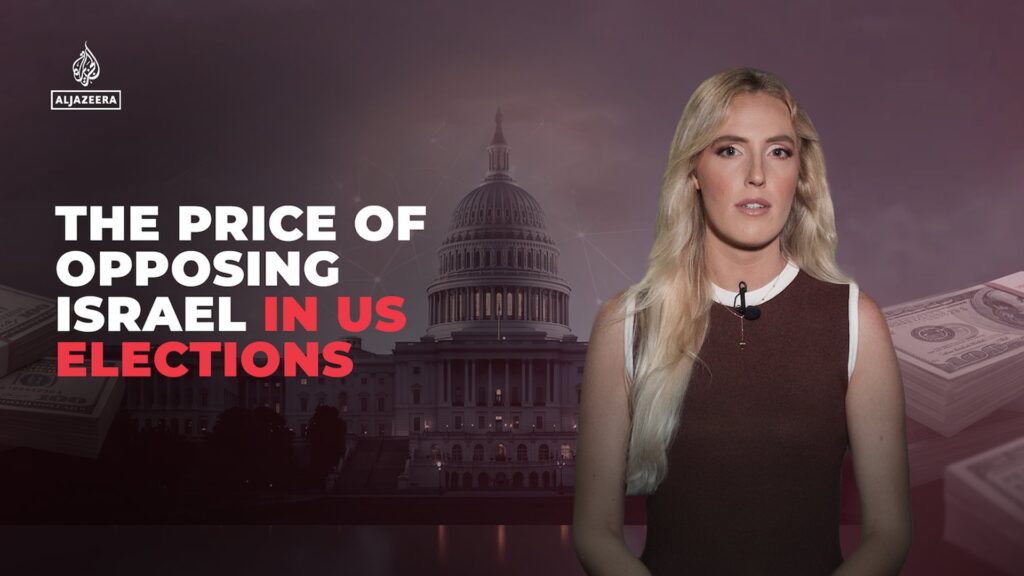
As the 2026 US midterm elections draw near, the influence of the pro-Israel lobby has become increasingly visible in the political landscape. Millions of dollars are being funneled into races where candidates have expressed critical views or challenged Israel’s policies, highlighting the lobby’s strategic role in shaping electoral outcomes.
The pro-Israel lobby in the United States, historically powerful and well-organized, works to ensure that elected officials maintain strong support for Israel. This involves advocacy, campaign contributions, and mobilizing grassroots support to influence public opinion and legislative priorities.
In the context of the 2026 midterms, this lobby is particularly active in targeting candidates who deviate from the traditional pro-Israel stance. These candidates often face substantial financial opposition, with funds directed toward their opponents who align more closely with pro-Israel interests.
Organizations linked to the lobby engage in a variety of tactics, including financing advertisements that highlight a candidate’s perceived weaknesses on foreign policy and Israel-related issues. They also support direct campaign contributions and independent expenditures to aid favored candidates, thereby aiming to sway close races.
The influx of funding underscores the significance of the Israel-US relationship in American politics, where support for Israel is often framed as a bipartisan priority. However, the 2026 midterms reveal subtle shifts, as some Democratic candidates propose more critical approaches to Israel’s policies, particularly concerning human rights and Middle East diplomacy.
Pro-Israel lobby groups view these developments as challenges to longstanding alliances and respond with intensified efforts to promote candidates who endorse unconditional support for Israel. This dynamic illustrates the lobby’s capacity to influence not only election outcomes but also policy directions.
Critics argue that the lobby’s financial muscle may overshadow grassroots voices that seek balanced or alternative perspectives on US-Israel relations. They also raise concerns about the extent to which foreign policy considerations are influenced by lobby efforts rather than broader national interests.
Nonetheless, the pro-Israel lobby’s influence in the 2026 midterms exemplifies its role as a formidable force in US electoral politics. By strategically deploying resources against candidates critical of Israel, the lobby shapes the political environment to favor policies aligned with Israeli government interests.
As the midterms approach, voters and political observers alike are closely watching how this financial and political influence will affect the composition of Congress and, consequently, the future of US foreign policy in the Middle East. The pro-Israel lobby’s engagement illustrates the intersection of electoral politics and international diplomacy, with significant implications for both domestic political debates and global relations.