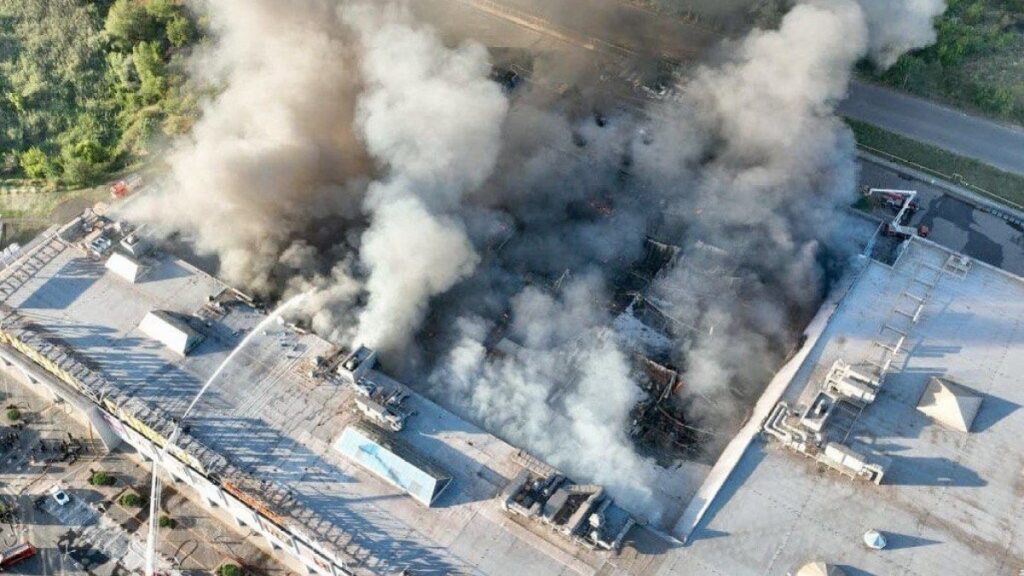
A fresh wave of violence has unfolded amid the ongoing conflict between Russia and Ukraine, as Russian military strikes resulted in the deaths of six individuals in Ukraine. This deadly incident occurred just a day after a devastating attack on a shopping complex, intensifying fears of escalating hostilities in the region. The strikes reportedly targeted civilian areas, further deepening concerns about the humanitarian impact of the conflict. Meanwhile, retaliatory actions by Ukrainian forces have also brought tragedy on the other side of the border. Ukrainian drones struck a residential home in southern Russia, leading to the deaths of two children and injuries to their parents. This grim development underscores the brutal nature of the conflict, which has increasingly spilled over into Russian territory. Officials from both countries have condemned these attacks, highlighting the difficult position civilians find themselves in as the violence persists. The recent Ukrainian drone strike marks a significant escalation in the conflict dynamics, representing a rare offensive operation by Kyiv deep inside Russian territory. The international community continues to call for immediate de-escalation and renewed diplomatic efforts to prevent further loss of innocent lives. Human rights organizations have expressed alarm over the growing civilian toll and have urged all parties to respect international humanitarian law. This latest cycle of attacks comes amidst ongoing geopolitical tensions and military maneuvers, which have destabilized the broader region. Emergency services in Ukraine have been working under dire conditions to assist the victims of the latest airstrikes, while Russian authorities are investigating the circumstances of the drone attack. The tragic deaths on both sides highlight the devastating human cost of the conflict, affecting families and communities caught in the crossfire. Observers note that the conflict’s expansion into Russian territory might provoke further military responses, risking a wider regional confrontation. Political leaders worldwide are monitoring the situation closely, with some expressing concern over potential impacts on global security. The attacks have prompted discussions about the necessity of renewed peace talks and the strengthening of conflict resolution mechanisms. Civilians continue to bear the brunt of the violence, with infrastructure and essential services increasingly disrupted by ongoing hostilities. International humanitarian aid agencies have called for safe corridors to assist those trapped in affected areas. Both Ukrainian and Russian officials have blamed each other for initiating the attacks, complicating efforts for dialogue and ceasefire agreements. The situation remains highly volatile, with unpredictable retaliatory measures likely in the near term. The increasing use of drone technology marks a shift in the tactics employed in the conflict, introducing new threats to civilian areas. Efforts to document human rights abuses in the conflict zones are ongoing, aiming to hold perpetrators accountable. The global community remains hopeful that diplomatic channels can be reopened to bring about a lasting resolution. Meanwhile, families mourn the loss of their loved ones as the violence continues unabated. The ongoing conflict emphasizes the urgent need for peace and stability in this war-torn region. As the situation develops, updates will be provided to keep the public informed about the unfolding humanitarian crisis.