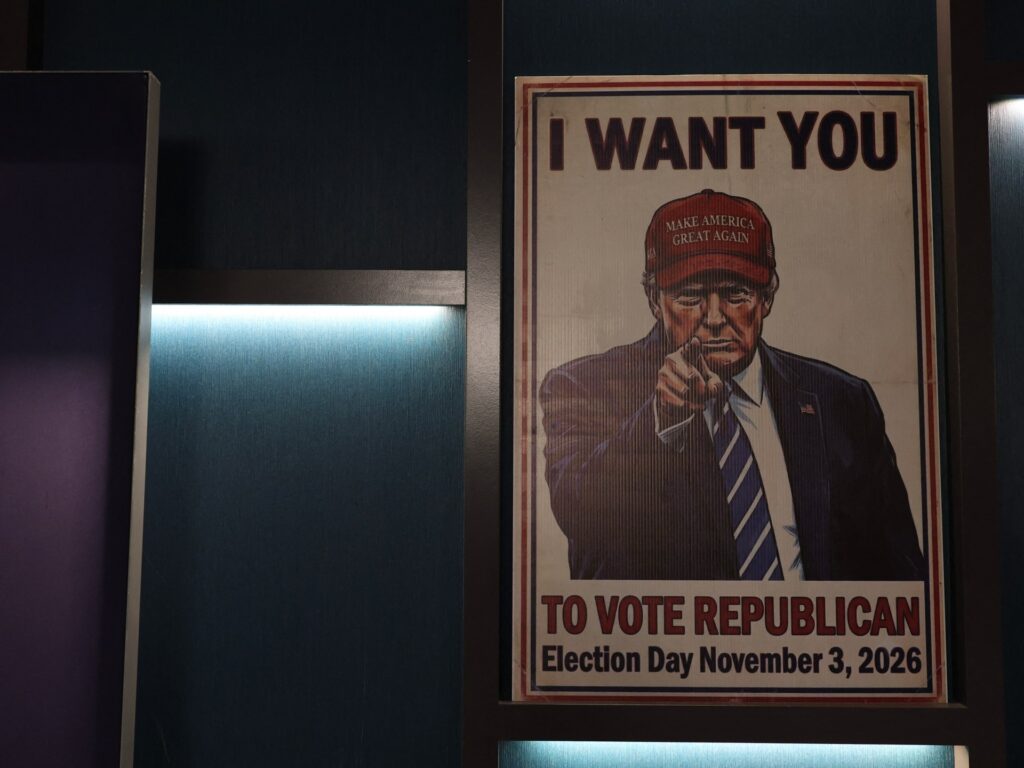
The recent US midterm elections have delivered a significant shift in the political landscape, marked by what some are calling a Democratic ‘blue tsunami.’ This wave underscores a growing dissatisfaction among voters with the current Republican leadership and its association with former President Donald Trump. The results have prompted key Republican figures, including Ohio Senator J.D. Vance, to contemplate a strategic reset as the party looks toward the 2028 presidential race.
The midterm elections served as a powerful indicator of shifting public sentiment. Democrats made substantial gains, surpassing expectations and increasing their control in various regions. This performance highlighted a robust rejection of Trump’s polarizing brand of politics within the electorate, including Republican voters who are reconsidering their allegiance.
Senator Vance, regarded as a rising star within the Republican ranks, is among those advocating for a recalibration of the party’s approach. In the aftermath of the midterm setbacks, Vance has publicly supported a pivot away from reliance on Trump-style populism, emphasizing the need for fresh leadership and new ideas to regain public trust and electoral success.
This proposed pivot involves a closer examination of voter concerns beyond the traditional Republican base, addressing economic anxieties, healthcare, and social issues with a focus on pragmatic solutions rather than ideological purity. It also calls for rebuilding the party’s image to appeal to a broader, more diverse demographic that has increasingly found itself alienated by Trump’s rhetoric and policies.
The debate within the Republican Party reflects a broader struggle over its identity and future direction. Some members still champion Trump’s influence, believing his loyal base is critical to winning elections, while others see the midterm losses as a clear signal that a new course must be charted.
Experts suggest that how the Republican Party responds to this political moment will significantly influence not only the 2028 presidential elections but also its overall viability as a major political force. A failure to address internal divisions and voter discontent could lead to continued electoral difficulties.
Vance and like-minded Republicans are pushing for a forward-looking agenda that prioritizes unity and adaptability, seeking to restore confidence among disaffected voters and to present a compelling alternative to the Democrats’ ascendancy.
As the party grapples with these challenges, the coming months will be critical in shaping the Republican narrative and strategy. The outcome could redefine American politics in the years leading up to 2028, setting the stage for either a Republican resurgence or continued decline.
In summary, the 2022 midterm elections have sparked a moment of introspection within the Republican Party, with figures like Senator J.D. Vance advocating for a strategic reset ahead of the 2028 presidential cycle. The party faces a pivotal choice: embrace reform and broaden its appeal or risk further marginalization in the American political arena.