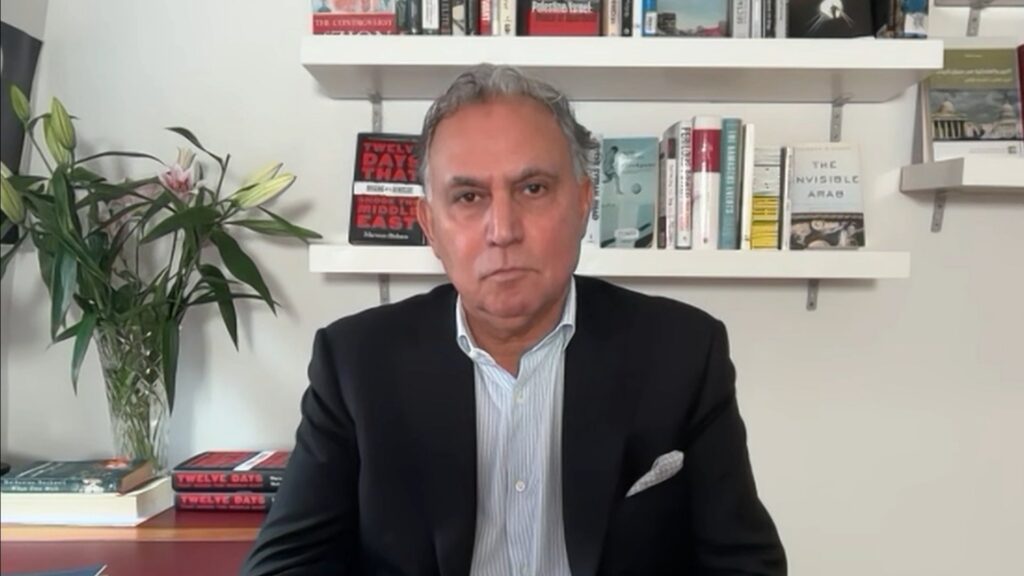
Marwan Bishara, Al Jazeera’s senior political analyst, has commented on the outcome of the recent US election, describing it as a significant setback for warmongers. Bishara’s analysis highlights that the election results signal a shift in American political dynamics, potentially curbing aggressive foreign policies that have characterized certain administrations in the past.
The US election, closely watched globally, often influences international relations and conflict dynamics. Bishara notes that the electorate’s choice reflects a growing weariness among the American public toward prolonged military engagements abroad. This sentiment, he argues, is a clear message against the interests of those who seek to perpetuate conflict for political or economic gain.
Furthermore, Bishara suggests that the election results could lead to a realignment of US foreign policy priorities. Instead of focusing on military interventions, the new mandate may prioritize diplomacy, economic cooperation, and multilateral approaches to global challenges. This could foster improved relations with countries and regions previously strained by US military actions.
Bishara also points out that this electoral outcome might influence other global powers and conflict zones. With the US stepping back from aggressive postures, there could be opportunities for de-escalation and peacebuilding in areas affected by proxy wars and tensions exacerbated by US involvement.
The analyst warns, however, that while this election is a blow to warmongers, it is not an outright end to conflict-driven policies. Vigilance and sustained public engagement will be necessary to ensure that the pendulum swings decisively towards peace and constructive international relations.
In summary, Marwan Bishara views the US election as a critical juncture, potentially signaling a retreat from aggressive military strategies and a move towards more peaceful and diplomatic international engagements. This development is seen as a hopeful sign for advocates of peace and stability worldwide, though challenges remain in translating electoral outcomes into lasting policy changes.