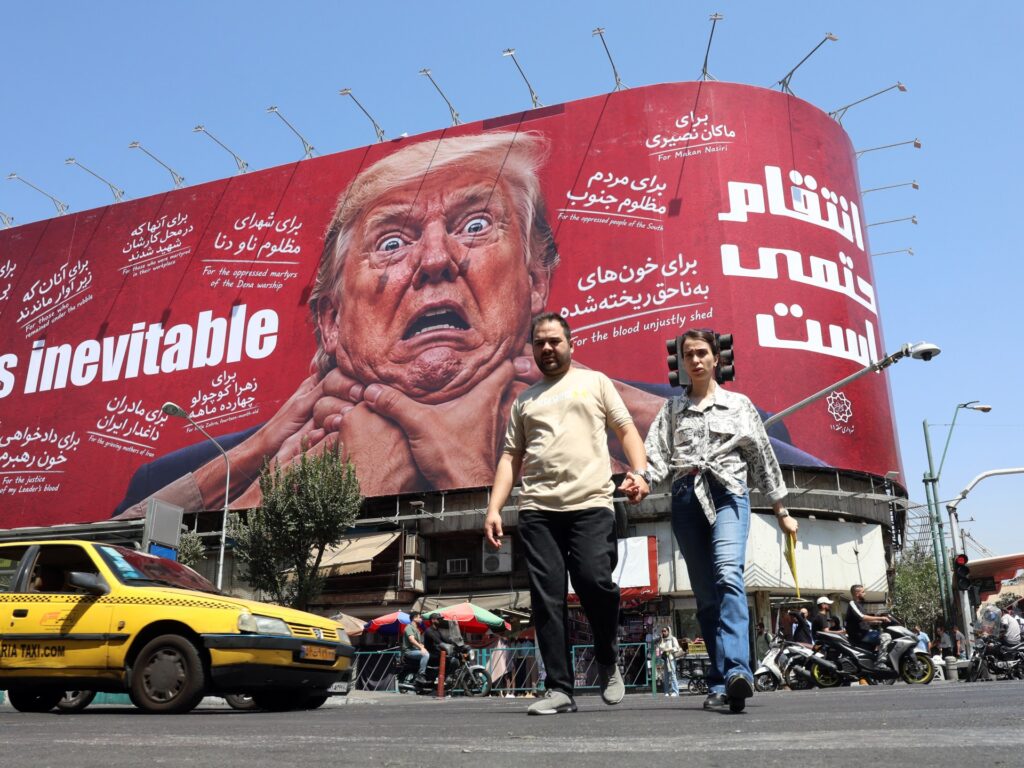
The recent statements by former U.S. President Donald Trump regarding Iran have sparked significant international attention. Trump has issued renewed threats aimed at pressuring other countries to halt their trade and economic interactions with Iran, warning of “tremendous costs” for those who do not comply. This hardline stance is part of a broader strategy to isolate Iran economically and politically, especially concerning its nuclear program and regional influence.
However, Iran’s Foreign Minister has publicly dismissed Trump’s threats as a mere “diversion” from the internal crises currently facing the United States. According to Iran, these threats are designed to distract from America’s own political and social challenges rather than being grounded in any credible new policy shift.
The question arises: Can Trump, or any U.S. administration, effectively stop other nations from trading with Iran? The answer is multifaceted and involves geopolitical, economic, and diplomatic considerations.
Firstly, the United States has significant influence over global financial systems, particularly through the dollar-centric banking network. This leverage allows the U.S. to impose sanctions that severely restrict countries’ ability to conduct international trade with Iran, particularly in sensitive sectors such as oil, banking, and technology.
Secondly, the success of such sanctions depends heavily on the political will and economic interests of other nations. Some countries, particularly U.S. allies, have historically complied with American sanctions to maintain favorable diplomatic relations. However, other countries, including key players like China, Russia, and some European states, have at times defied or circumvented these restrictions to preserve economic ties with Iran.
Moreover, enforcing trade restrictions globally requires extensive monitoring and cooperation, which poses challenges given differing national interests and legal frameworks. Nations may prioritize their energy needs, political alliances, or economic benefits over compliance with U.S. demands.
Iran itself has developed mechanisms to bypass sanctions, including alternative payment channels, barter trade, and stronger bilateral agreements with sympathetic countries. These strategies mitigate the impact of U.S.-led trade restrictions and help sustain Iran’s economy despite international pressures.
The international community also plays a crucial role. Entities like the United Nations and the European Union have at times sought a more balanced approach, promoting diplomacy and nuclear agreements such as the Joint Comprehensive Plan of Action (JCPOA) to ease tensions and reintegrate Iran into the global economy.
Tensions remain high as Trump’s renewed threats escalate rhetoric without immediate changes in sanction policies or enforcement measures. Iran’s rejection of these threats and continued defiance underscore the complexity of using economic pressure as a tool for foreign policy.
In summary, while the U.S. has considerable power to influence global trade policies through sanctions, stopping all trade with Iran is improbable. It requires international consensus, stringent enforcement, and reliable alternatives for countries reliant on Iranian trade.
Trump’s threats may raise political pressure temporarily, but they are unlikely to singlehandedly sever Iran’s trade ties worldwide. For lasting impact, a cohesive multinational approach balancing diplomacy, economic incentives, and strategic enforcement is essential.
The ongoing dialogue highlights the delicate interplay between economic coercion and diplomatic negotiation in addressing international disputes involving Iran.