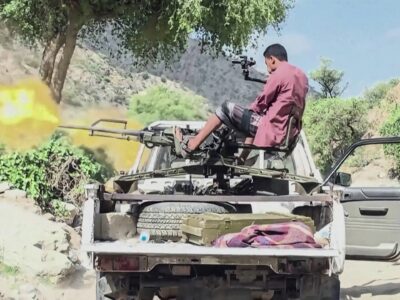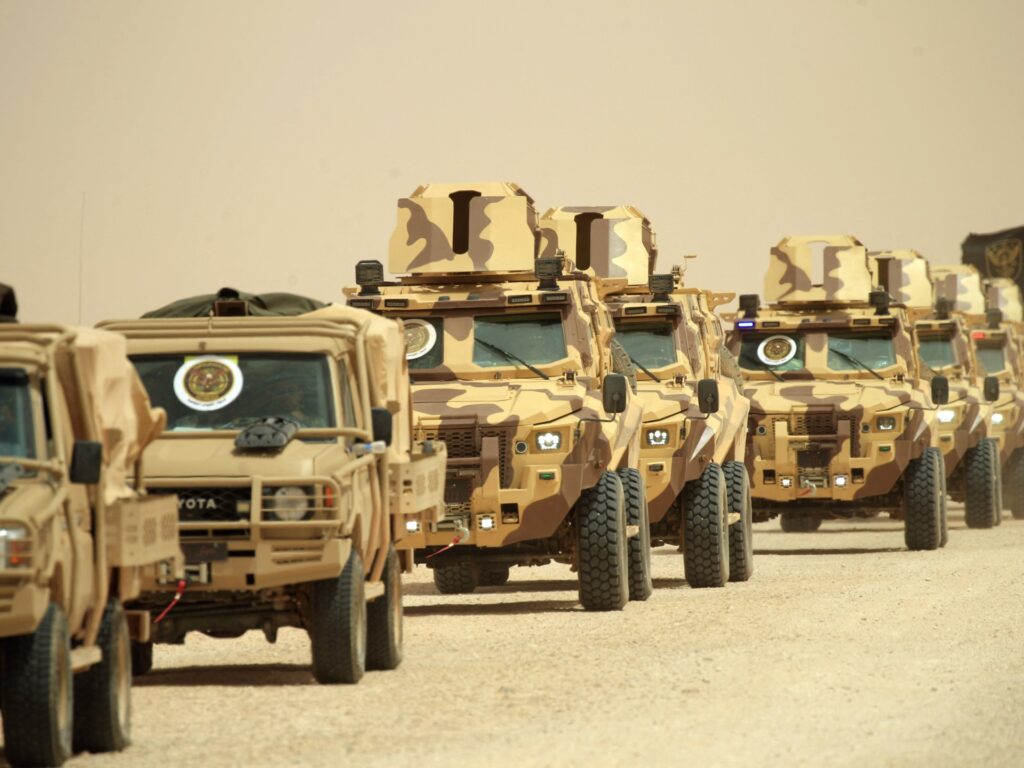
Fifteen years after the overthrow of Muammar Gaddafi, Libya remains divided and fragile, caught between rival governments and ongoing conflict. As the country struggles to find peace and stability, the United States is intensifying its diplomatic efforts to unify Libya’s two main rival administrations.
Since Gaddafi’s fall in 2011, Libya has been plagued by political instability, civil war, and competing factions vying for power. The eastern government, based in Tobruk and supported by the Libyan National Army under Khalifa Haftar, and the western government, centered in Tripoli, backed by the Government of National Accord (GNA), have struggled to assert control over the country.
This enduring division has left Libya with two parallel institutions, duplicate ministries, competing armed groups, and a fractured social fabric. It has also complicated international efforts aimed at rebuilding governance structures, restoring security, and reviving the economy.
Recently, the United States, along with Middle Eastern powers, has stepped up diplomatic engagement to bridge this divide. The US government is coordinating with regional players—including Egypt, the United Arab Emirates, and Turkey—to foster dialogue and encourage the formation of a unified government.
These efforts come against a backdrop of shifting alliances and geopolitical interests. Egypt and the UAE have traditionally supported eastern factions, while Turkey has backed the GNA in the west. Despite these differences, all parties recognize the urgent need for stability in Libya due to security concerns, oil resources, migration, and regional peace.
US Secretary of State and diplomats have been actively engaging with Libyan leaders, proposing frameworks for political reconciliation, power-sharing arrangements, and national elections. The US is also supporting the United Nations’ initiative to hold a national conference that would bring all stakeholders together.
Experts note that uniting Libya requires more than diplomatic dialogue—it demands disarmament of militias, reform of institutions, and an inclusive political process that respects Libya’s diverse communities.
The international community faces challenges amid skepticism and mistrust between the rival camps. There is also concern about spoilers who benefit from ongoing instability.
Nevertheless, the US and its Middle Eastern partners believe that a stable Libya could serve as a cornerstone for peace and development in the broader region. They emphasize that unification is key not just to ending the conflict but also to rebuilding Libya’s shattered economy and addressing humanitarian crises.
In conclusion, the task of uniting Libya 15 years after the fall of Gaddafi remains daunting. However, the intensified US diplomatic push combined with the involvement of Middle Eastern powers might offer a renewed hope for reconciliation, peace, and the eventual restoration of a unified Libyan state.