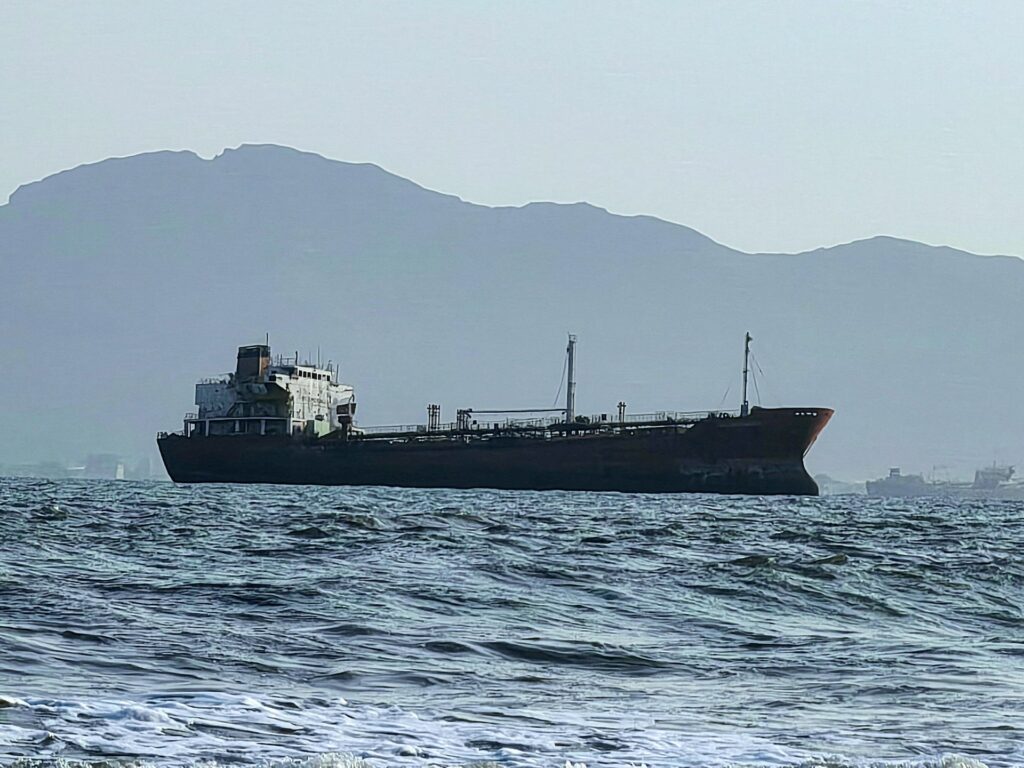
A tanker named Seamull, which was sailing off the coast of Yemen, was recently seized by armed gunmen amid a resurgence of Somali piracy in the region. The UK-based maritime security monitor has reported that the vessel was diverted towards the Somali coast, signaling a worrying escalation in pirate activity in the Gulf of Aden.
The Gulf of Aden, a crucial shipping route linking the Red Sea and the Arabian Sea, has long been plagued by piracy, especially from Somali-based groups. These groups have historically targeted commercial vessels to demand ransoms or hijack cargo for illegal gains. In recent years, while international naval patrols and security measures had reduced such incidents, the region is now witnessing a resurgence.
The seizure of Seamull comes at a time when piracy off the Somali coast has shown renewed vigor. Maritime security experts suggest that the area’s political instability and economic hardships fuel this dangerous trend. Pirates typically operate from small boats, but the seizure of a tanker indicates a more sophisticated and bold operational capacity.
International naval forces, including those from the UK and other countries, have maintained patrolling in the Gulf of Aden to deter piracy. However, the latest incident exposes ongoing vulnerabilities and challenges in securing this vital maritime corridor. Ship owners and operators are urged to remain vigilant and adopt best practices for anti-piracy measures, including enhanced onboard security and adherence to recommended transit corridors.
The capture of the Seamull tanker has raised concerns about crew safety and potential disruption to global shipping lanes. Tankers carrying fuel and other essential commodities are critical to international trade and energy supplies. Any delay or hijacking in the Gulf of Aden could lead to increased insurance costs, rerouting expenses, and heightened geopolitical risks.
Authorities and international bodies are calling for stronger cooperative efforts among nations to address piracy. This includes capacity-building initiatives for coastal states near Somalia, improved maritime domain awareness, and harsher penalties for pirate activities.
The recent seizure not only highlights the persistent threat of Somali piracy but also underscores the broader security challenges facing maritime traffic in the region. With global commerce heavily dependent on safe passage through the Gulf of Aden, it is imperative that coordinated actions are taken to ensure the safety of vessels and their crews.
In conclusion, the hijacking of the Seamull tanker off the Yemeni coast is a stark reminder that Somali piracy remains a significant security threat in the Gulf of Aden. Continuous vigilance, international cooperation, and robust security measures are crucial to combat this menace and protect vital maritime trade routes.