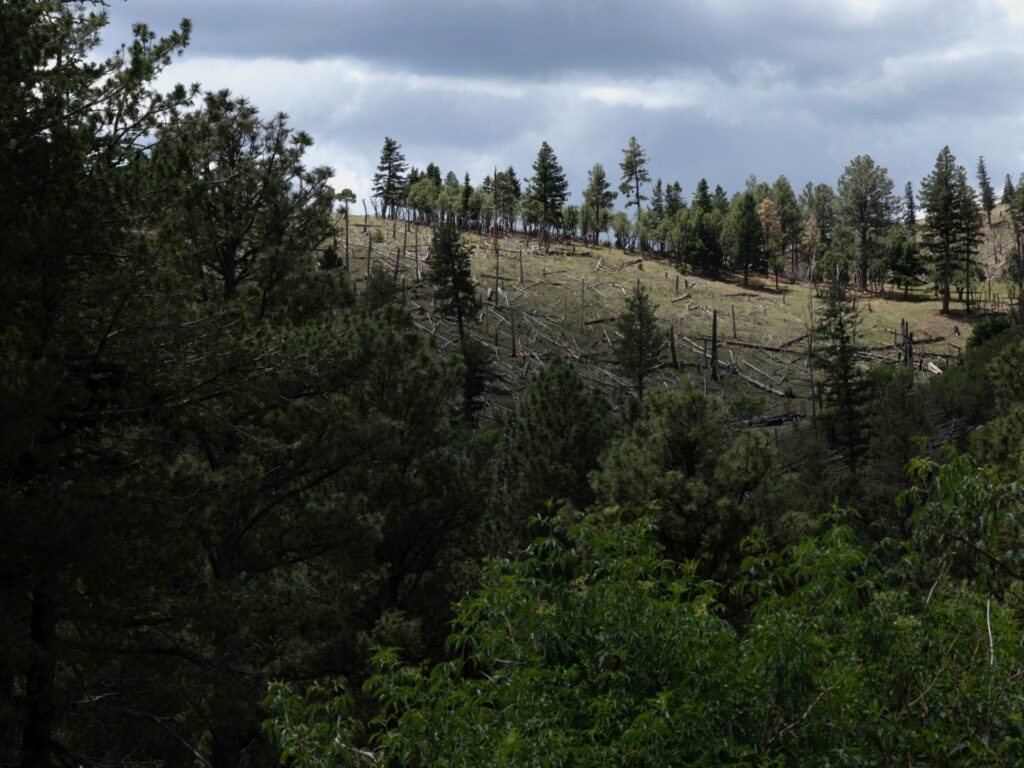
The Trump administration has announced its plans to rescind a 2001 rule that protected vast swaths of forest land in the United States. The U.S. Department of Agriculture (USDA) states that the removal of this rule is intended to help reduce the risk of wildfires and return greater control over forest management to local officials and managers.
The 2001 rule, which has been in place for over two decades, was designed to conserve critical forest habitats and limit various types of forestry activities. However, critics have argued that the rule also restricted active forest management practices, such as thinning overgrown forests, which can increase wildfire vulnerability.
According to USDA officials, by rolling back this regulation, local land managers will have the flexibility to implement more proactive strategies aimed at reducing fuel loads—the amount of combustible material in forests—and thus decrease the likelihood and severity of wildfires. This approach aligns with efforts to promote forest health through techniques such as controlled burns, selective logging, and removing dead trees.
Supporters of the change argue that local agencies are better positioned to understand the unique conditions and challenges of their specific forests compared to a broad federal mandate. They believe that restoring local control will promote more effective and adaptive forest management practices tailored to each region’s needs.
Environmental groups, however, have expressed concerns that rescinding protections could lead to increased exploitation of forest resources and harm wildlife habitats. They caution that lax regulations might result in overharvesting and degradation of forest ecosystems.
The administration maintains that balancing forest protection with wildfire prevention requires nuanced management strategies, and returning authority to local managers is a step toward achieving that balance. The decision marks a significant shift in federal forest policy, emphasizing fire risk reduction and local autonomy over uniform national safeguards.
Experts note that wildfires have become more frequent and intense in recent years due to climate change, making forest management a critical component of national wildfire strategy. This policy move reflects an evolving approach to addressing the challenges posed by changing environmental conditions.
The USDA plans to collaborate with state and local agencies to develop guidelines that ensure sustainable and effective management practices following the rule’s rescindment. Ongoing monitoring and research will be conducted to assess the impact of these changes on forest health and wildfire incidents.
In summary, the Trump administration’s move to end the 2001 forest protection rule seeks to reduce wildfire risks by empowering local land managers to take a more active and flexible role in forest stewardship, amidst both support and criticism from various stakeholders in environmental and governmental sectors.