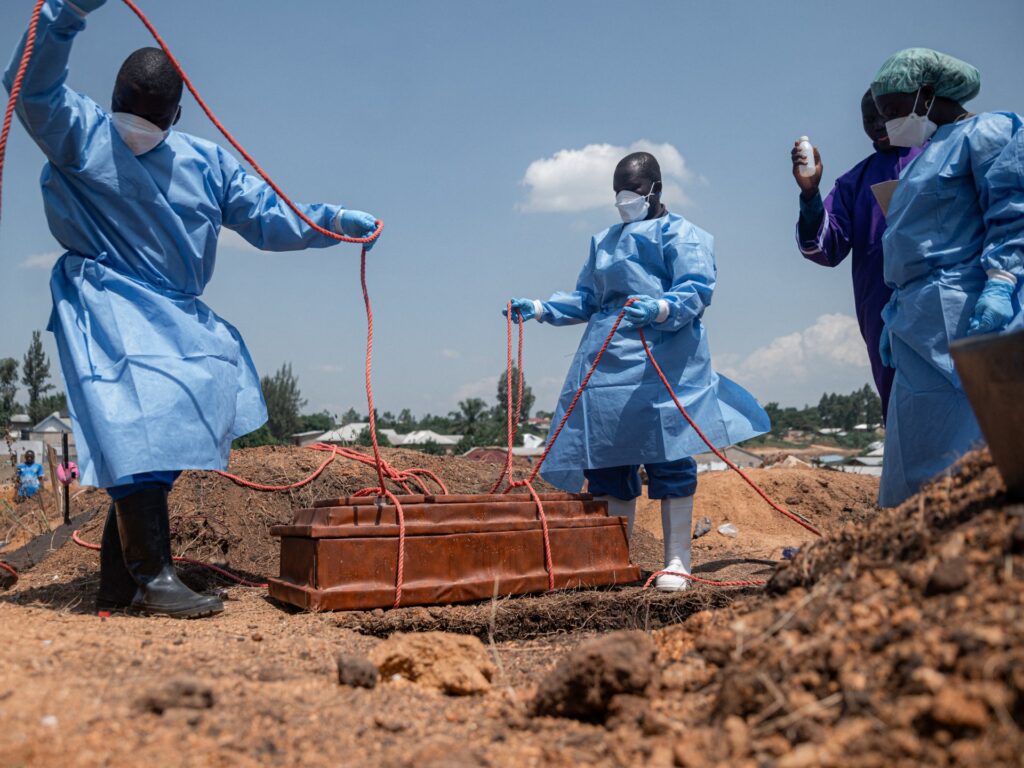
The World Health Organization (WHO) has declared the ongoing Ebola outbreak in Congo a global health emergency as the number of infections has surpassed 5,000. This announcement underscores the severity of the epidemic and the urgent need for intensified international response efforts.
Authorities in Congo are facing significant challenges, as they continue to identify new chains of transmission that contribute to the spread of the virus. Breaking these chains is critical to halting further infections and controlling the outbreak.
Since the outbreak began, health officials have been working tirelessly to contain the virus through surveillance, contact tracing, vaccination campaigns, and community engagement. Despite these efforts, the disease continues to spread, fueled by both the region’s complex geography and difficulties in ensuring access to affected populations.
Ebola virus disease is a severe and often fatal illness characterized by sudden onset of fever, fatigue, muscle pain, severe headache, vomiting, diarrhea, and in many cases, internal and external bleeding. It spreads through direct contact with the bodily fluids of infected individuals or contaminated materials.
The WHO’s declaration as a global emergency means the international community recognizes the urgent need for a coordinated response, including heightened funding, medical support, and research into effective treatment and prevention measures.
International aid organizations are intensifying their support, sending medical teams, supplies, and expertise to the affected regions. Vaccination drives have been a key strategy, utilizing an effective Ebola vaccine to immunize high-risk populations and healthcare workers.
However, the situation remains volatile as new transmission chains continue to emerge in previously unaffected areas. This highlights the importance of community education and cooperation, as misinformation and mistrust can hinder containment efforts.
The Congo outbreak also poses a risk beyond its borders. Increased mobility and cross-border movements in the region raise the possibility of the virus spreading to neighboring countries, which could amplify the health crisis.
To combat this, border health monitoring and regional cooperation are being strengthened to detect and respond to potential cases swiftly.
The global emergency status also calls for urgent research into improved therapeutics and vaccines to combat Ebola effectively. Scientists are racing against time to develop treatments that can improve patient survival rates and prevent further epidemics.
Health workers on the frontline face immense risks and challenges, including the fear of infection and community resistance, making their role critical but challenging.
The current outbreak serves as a stark reminder of the persistent threat of infectious diseases and the need for robust health systems and emergency preparedness worldwide.
Urgent action, sustained commitment, and global solidarity are essential to bring the Congo Ebola outbreak under control and prevent future crises.
As the situation evolves, the WHO and global partners continue to monitor developments closely, adjusting strategies to address emerging challenges in the fight against this deadly virus.