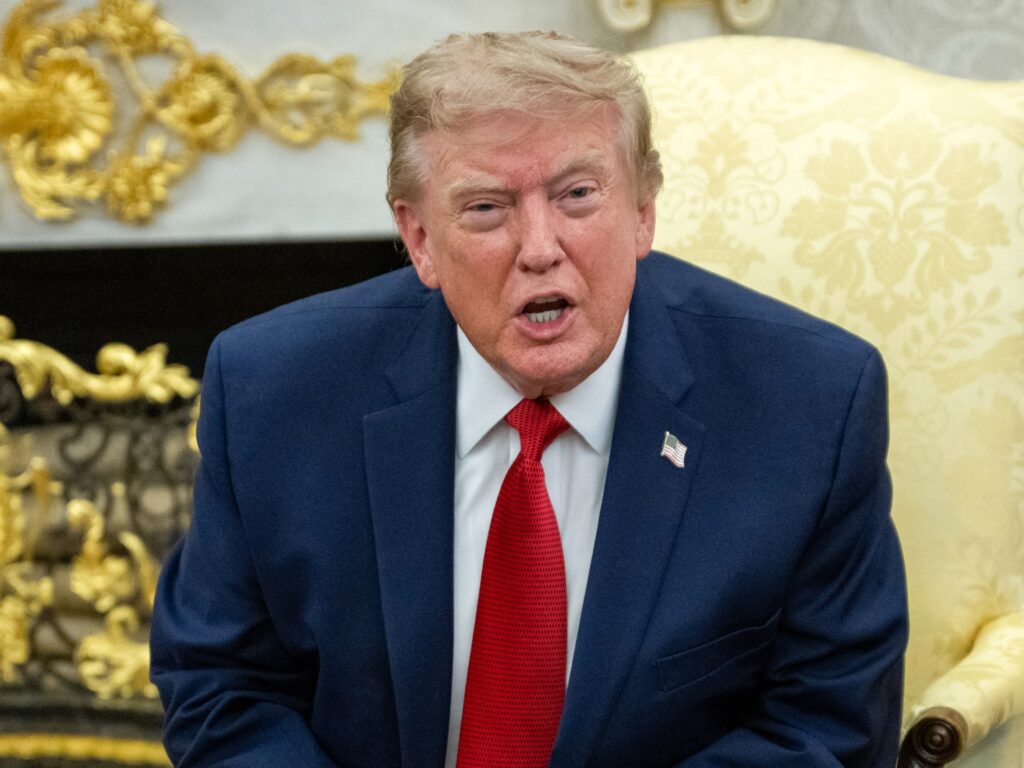
US President Donald Trump has publicly stated that there are no planned talks between the United States and Iran, despite ongoing discussions among states bordering the Strait of Hormuz. The announcement comes amid heightened tensions following an agreement involving Oman and Iran concerning the management of this strategically vital waterway.
The Strait of Hormuz is a crucial passage for global oil shipments, with approximately a fifth of the world’s petroleum passing through it daily. As such, the region has long been a focal point of geopolitical interests and conflicts.
Recently, Oman and Iran reportedly reached an agreement to cooperate on managing maritime traffic and security in the Strait, a move that has drawn mixed reactions internationally. While some see it as a step toward stabilizing the volatile region, others, including the US administration, view the deal with suspicion and concern.
President Trump criticized the development, emphasizing that the United States will not engage in direct negotiations with Iran at this time. His stance reflects broader US policy aimed at exerting maximum pressure on Iran through sanctions and diplomatic isolation.
The ongoing talks between Iran, Oman, and other countries with coastlines along the Strait aim to establish mechanisms for peaceful navigation and to prevent incidents that could disrupt global oil supplies. These discussions have been characterized by a cautious approach, balancing the security interests of regional players with broader international concerns.
Observers note that Iran’s involvement in the deal with Oman signals Tehran’s attempt to assert greater control over the waterway and counteract US influence. Meanwhile, countries like the United Arab Emirates and Saudi Arabia are watching closely, as any agreement affecting the Strait could impact their own security and economic interests.
Despite the regional cooperation efforts, the Trump administration’s firm stance against Iran suggests that diplomatic breakthroughs may remain elusive in the near term. The US continues to support its allies in the Gulf and maintains a substantial military presence to safeguard the Strait of Hormuz.
In summary, the tension surrounding the Strait of Hormuz remains a critical issue in Middle Eastern politics and international maritime security. While regional players pursue dialogue and collaboration, the divide between US policies and Iranian actions continues to shape the dynamics around this essential chokepoint.