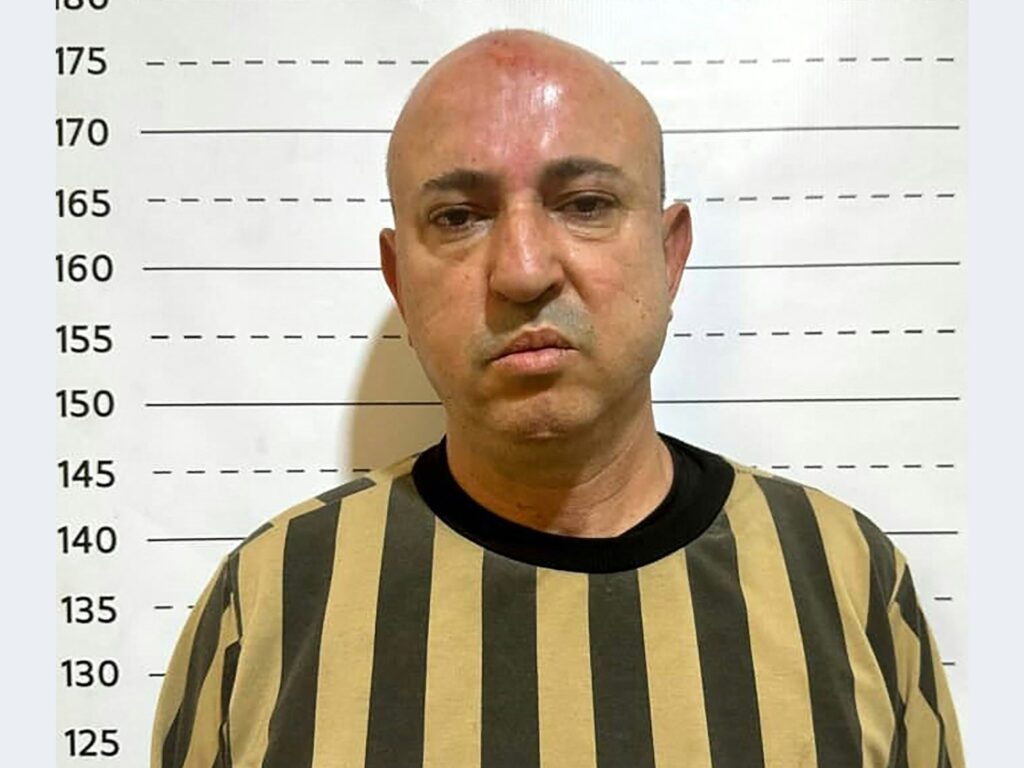
In a significant and high-profile legal decision, a Syrian court has sentenced Wassim al-Assad, a former figure of the Syrian regime, to death. The court found him guilty of grave charges including premeditated murder and torture, charges that carry some of the harshest penalties under Syrian law.
Wassim al-Assad, not to be confused with the current Syrian president Bashar al-Assad, has been a notable figure in the Syrian political landscape due to his ties with the previous regime. His trial has garnered significant attention both within Syria and internationally because of the serious nature of the charges and the broader implications for justice and accountability in the country.
The case against Wassim al-Assad included numerous allegations of human rights abuses that took place during a tumultuous period in Syria’s recent history. Specifically, the charges of premeditated murder and torture highlight the severe and brutal acts committed, which the court found substantiated enough to warrant the death penalty.
Legal experts following the trial have noted that this ruling is part of ongoing efforts to address past abuses and establish a precedent for prosecuting those responsible for such crimes, despite the complex political and security environment in Syria.
Human rights organizations have welcomed the verdict as an important step towards justice for victims of the regime’s actions. However, they continue to call for a transparent judicial process and insist on accountability for all individuals involved in human rights violations, regardless of their status.
The sentencing of Wassim al-Assad serves as a stark reminder of the Syrian conflict’s brutal legacy and the challenges that lie ahead in the country’s quest for justice and reconciliation.
As Syria continues to navigate its path through conflict and recovery, this verdict may have wider ramifications for other former regime figures accused of similar crimes, potentially signaling a shift towards greater judicial scrutiny and consequences for violations of human rights.
The international community is closely monitoring the situation, with calls for adherence to international legal standards and the safeguarding of fair trial rights for all defendants in such cases.
This case marks a poignant chapter in Syria’s ongoing struggle to confront its past and move toward a future grounded in rule of law and respect for human rights. The coming weeks and months may reveal the broader impact of this sentence on Syrian society and its efforts to heal from years of conflict and oppression.