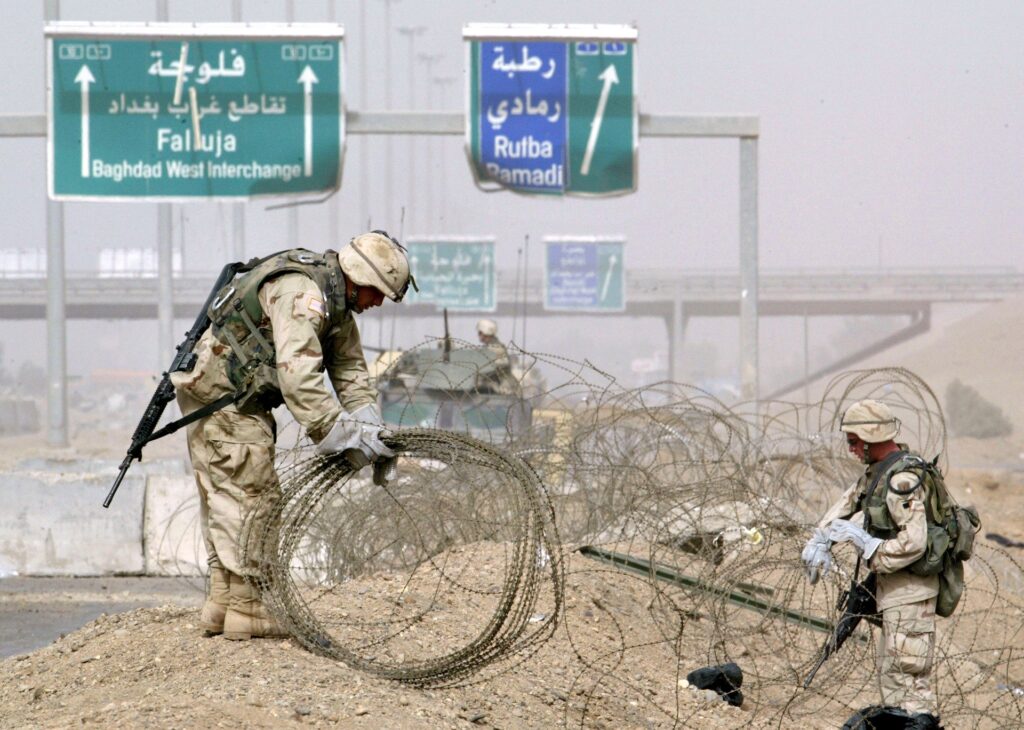
As the US-led military coalition prepares to withdraw its forces from Iraq, the country stands at a critical juncture that tests its sovereignty, security, and political stability. The deadline for the coalition’s exit is fast approaching, raising concerns among analysts about the potential challenges that Iraq may face in the aftermath.
The presence of the US-led coalition in Iraq has been a defining factor in the country’s recent security and political landscape. Since the height of conflict following the rise of ISIS, coalition forces have played a crucial role in maintaining stability and supporting the Iraqi government and military in combating extremist threats.
With the coalition’s planned withdrawal, analysts warn of severe security tests that could emerge. The Iraqi security forces will be tasked with independently managing threats from residual ISIS cells and other insurgent groups. There is apprehension that these groups might attempt to destabilize regions, exploiting potential gaps in security coverage during and after the withdrawal.
Politically, Iraq is also poised for complex challenges. The country’s government must navigate internal divisions among various ethnic and sectarian groups, ensuring unity and effective governance in a post-coalition environment. Political factions that have historically relied on external influences might see the withdrawal as an opportunity to assert more localized control, potentially complicating the broader national political landscape.
Moreover, Iraq’s regional relationships will be tested as it seeks to emphasize its sovereignty while managing ties with neighboring powers such as Iran, Turkey, and the Gulf states. Balancing these relationships will be critical to avoid external interference that could exacerbate internal conflicts.
The international community, too, has expressed its outlook on Iraq’s future post-coalition. Many calls have been made for continued support through diplomatic means, financial aid, and intelligence sharing to help Iraq maintain security and political cohesion.
In response, the Iraqi government has been implementing strategies to strengthen security forces, enhance intelligence capabilities, and promote national dialogue among diverse political and community leaders. These efforts aim to build resilience in the face of the impending challenges expected once the coalition forces have departed.
Experts suggest that the success of Iraq post-US coalition withdrawal will heavily depend on effective governance, committed leadership, and sustained international cooperation. Without these elements, the risk of renewed instability and conflict could significantly increase.
As the deadline draws near, attention remains focused on Iraq’s ability to assert its sovereignty, uphold security, and maintain political unity in a rapidly changing environment. The coming months will be critical in determining the country’s trajectory toward stability or a potential period of renewed turmoil.