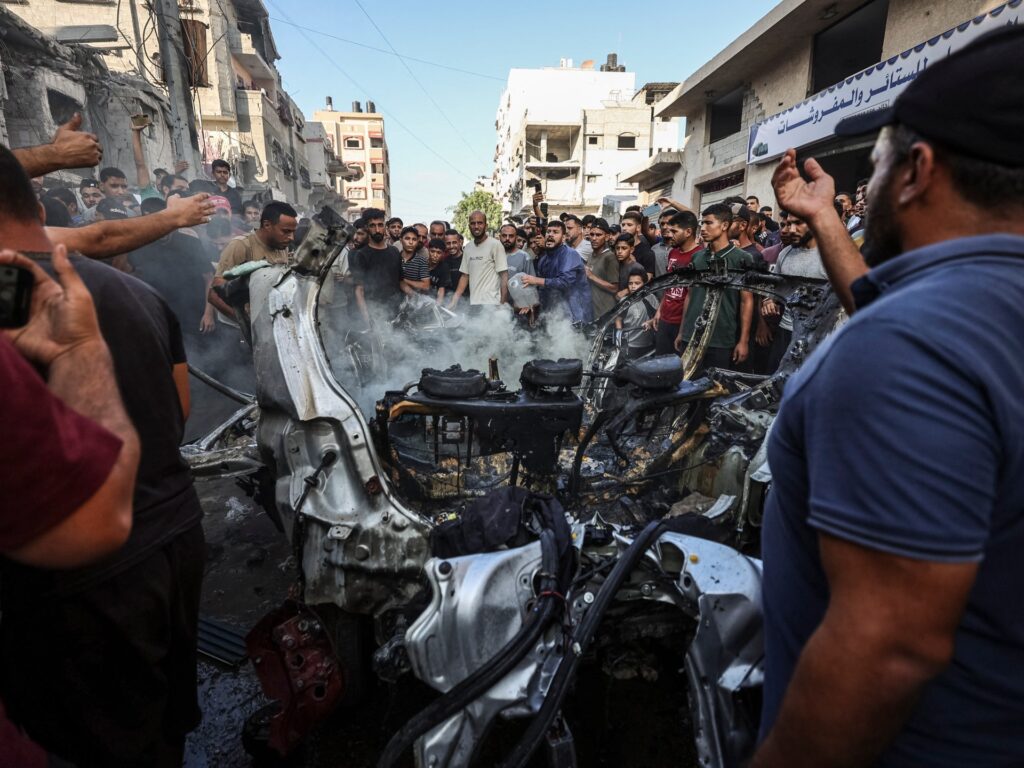
In a significant and unprecedented move, Nicaragua has brought a case against Germany to the International Court of Justice (ICJ), accusing Berlin of violating the Genocide Convention in relation to the ongoing conflict in Gaza. Nicaragua’s claim centers around Germany’s political and military support for Israel amid its military operations in Gaza, which Nicaragua terms as an onslaught amounting to genocide.
Nicaragua argues that Germany, as a signatory to the Genocide Convention, has a legal obligation not only to refrain from committing genocide but also to prevent and punish actions that support or contribute to genocide. The accusation places Germany’s backing of Israel’s military strategies under scrutiny, alleging that such support makes Germany complicit in violations of international law aimed at protecting civilian populations.
This legal action marks one of the few instances where a state has been taken to the ICJ for its involvement—alleged or direct—in foreign conflicts under the framework of the Genocide Convention. Nicaragua contends that Germany’s role, whether through arms sales, diplomatic support, or political endorsement, has played a part in the alleged destruction and civilian casualties witnessed during Israel’s operations in Gaza.
The case highlights the broader international debate regarding accountability and the responsibilities of third-party states in conflicts involving severe humanitarian crises. Nicaragua’s decision to approach the ICJ sends a strong message about the need for international legal mechanisms to address not only perpetrators within conflict zones but also external actors whose support may enable or prolong violence.
Germany has consistently justified its support for Israel on the grounds of security and defense against threats, emphasizing its commitment to Israel’s right to self-defense. However, this stance is now being legally challenged within the realm of international law, particularly concerning protections under the Genocide Convention.
The ICJ, as the principal judicial organ of the United Nations, will examine whether Germany’s actions meet the criteria for complicity or breach of the Genocide Convention. The proceedings could set a precedent regarding state responsibilities in foreign conflicts and the interpretation of genocide-related obligations.
Nicaragua’s claim underscores the urgency with which states and international bodies view accountability for the humanitarian impacts of armed conflict. The involvement of a major European power like Germany could reshape the discourse on international support during conflicts and the scope of legal responsibilities under international treaties.
As the case progresses, attention will focus on the evidence presented about Germany’s involvement and the broader implications for international diplomacy, military alliances, and humanitarian law enforcement. The outcome could influence future international legal standards and the role of the ICJ in adjudicating disputes concerning alleged complicity in genocide.
This development also raises awareness around the Gaza conflict’s international dimensions, prompting a reevaluation of how states balance political partnerships with their obligations under international humanitarian law. Nicaragua’s legal challenge may open the door for other nations or international actors to seek accountability through judicial means, reinforcing a rules-based approach to preventing and responding to genocide worldwide.