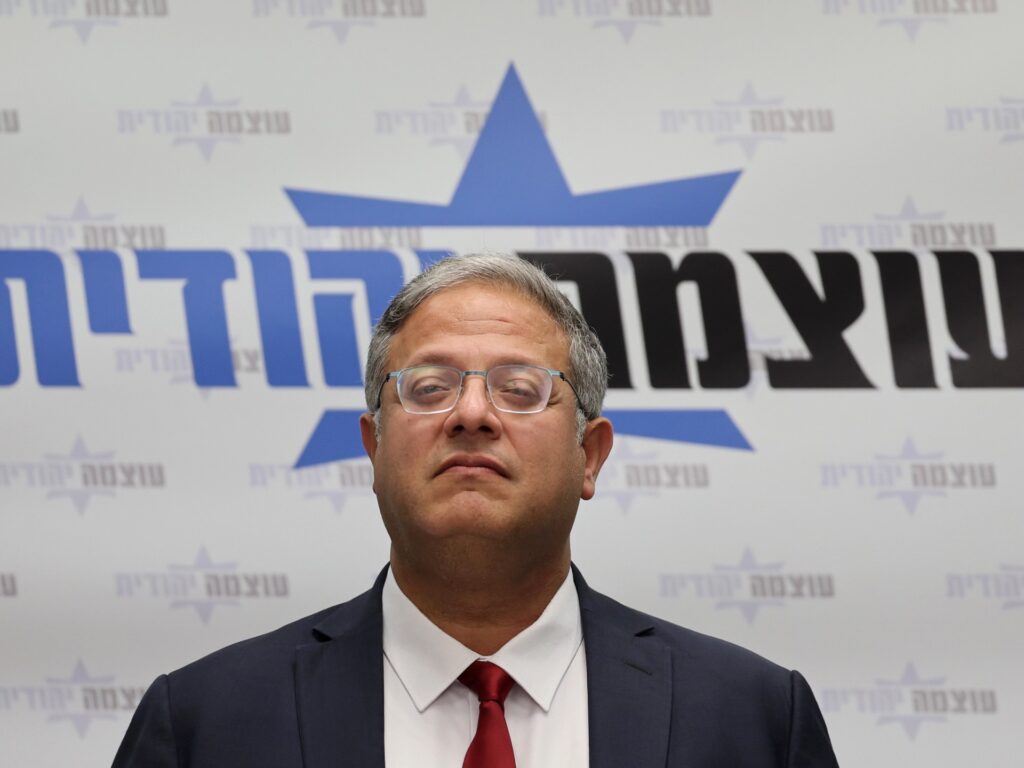
Far-right National Security Minister Itamar Ben-Gvir, a member of Israel’s security cabinet responsible for shaping war strategies and policies, has called for the nightly killing of ’30 to 40′ Palestinians in Gaza. This highly controversial statement reflects the hardline stance of some Israeli officials amidst ongoing conflict and tensions in the region. Ben-Gvir is known for his aggressive policies and rhetoric regarding the Gaza Strip and Palestinian groups.
The security cabinet, which includes ministers responsible for defense and security, plays a critical role in formulating Israel’s response to threats, including military operations in Palestinian territories. The call to target dozens of Palestinians nightly signals an escalation in policy that risks further increasing violence and casualties.
Israel has been engaged in a protracted conflict with Palestinian groups in Gaza, including Hamas, characterized by frequent military exchanges, airstrikes, and ground incursions. The region has suffered extensive humanitarian consequences, with civilians often caught in the crossfire.
Ben-Gvir’s remarks have drawn widespread condemnation from Palestinian officials and international observers, who warn that such policies could exacerbate the humanitarian crisis and undermine prospects for peace. Human rights organizations have also expressed grave concern about the potential for indiscriminate violence and violations of international law.
The Israeli government faces intense scrutiny over its handling of the Gaza conflict, with some advocating for greater restraint and diplomatic efforts, while others, like Ben-Gvir, push for more aggressive military actions.
This development underscores the deep divisions within Israeli politics and society regarding how to address security threats from Gaza. The rhetoric of targeted nightly killings represents a stark hardening of approach by far-right elements within the government.
The international community continues to call for de-escalation and the protection of civilian lives, emphasizing that sustainable peace can only be achieved through dialogue and respect for human rights.
As tensions remain high and civilian casualties mount, the path forward remains uncertain, with escalating statements such as those from Ben-Gvir adding to the volatility of an already fragile situation.