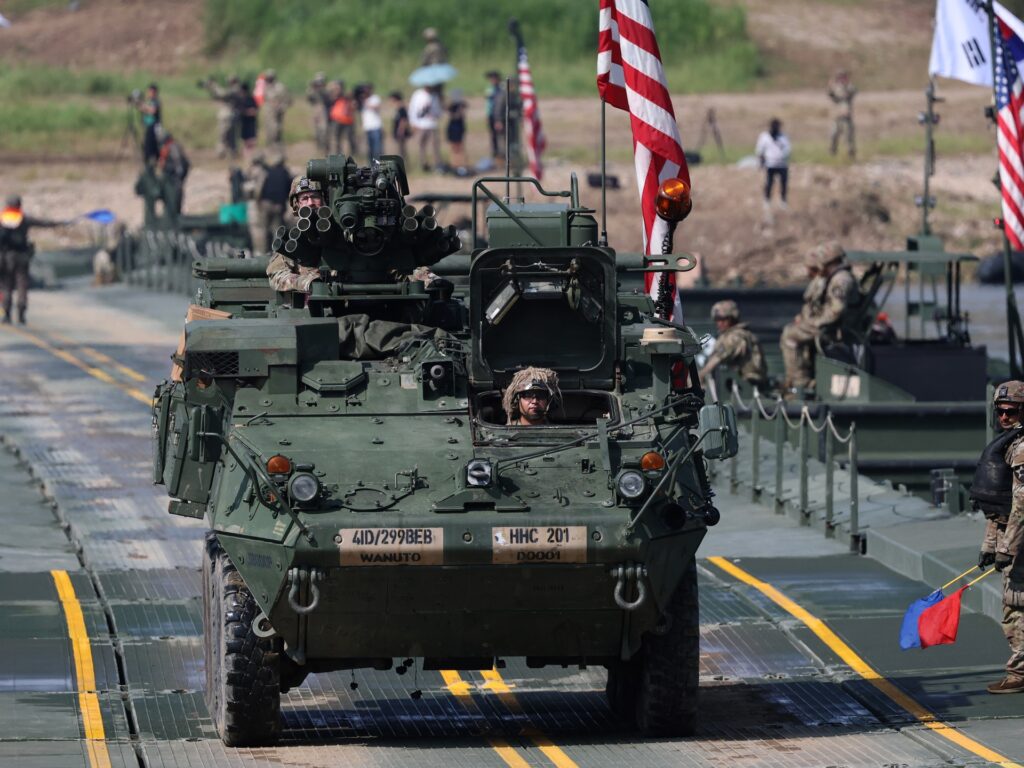
In a recent announcement, US President Donald Trump has declared a significant reduction in the scale and frequency of military drills conducted with South Korea. The decision marks a notable shift in the longstanding military cooperation between the two allies, which has been a cornerstone of stability in the Korean Peninsula for decades.
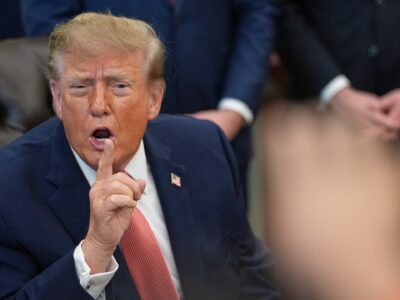
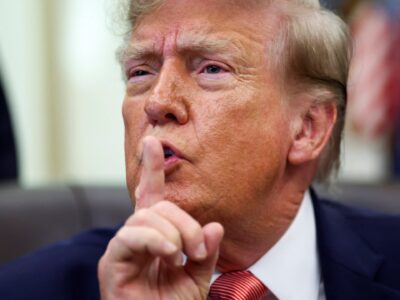
President Trump expressed his dissatisfaction with the military exercises, stating he is “not happy” about them. He cited his “very good relationship” with North Korean leader Kim Jong Un as a key factor influencing his stance. Trump’s approach reflects a broader effort to foster diplomatic engagement with North Korea, aiming to reduce tensions and possibly pave the way for denuclearization talks.
The joint military drills, which have been conducted regularly between the US and South Korea, involve large-scale maneuvers designed to prepare both forces for potential threats from North Korea. These exercises have historically been perceived by Pyongyang as provocative acts and have often escalated regional tensions.
By substantially reducing these drills, Trump seeks to build trust and goodwill with North Korea, potentially opening new avenues for negotiation. However, this move has raised concerns among some South Korean officials and military experts who worry that less frequent drills could weaken readiness and deterrence against Northern aggression.
Critics of the decision argue that the reduction in military exercises might embolden North Korea to continue its missile tests and nuclear provocations without sufficient pushback. They emphasize the importance of maintaining a robust military presence and collaboration on the peninsula to ensure regional security.
Supporters, however, applaud the initiative as a pragmatic step towards peace and stability. They note that the halting of large-scale drills could reduce the risk of misunderstandings or accidental conflicts, creating a more conducive environment for diplomatic talks.
This development also comes amid ongoing efforts by multiple stakeholders, including South Korea, to engage North Korea in meaningful dialogue. The United States remains committed to denuclearizing the Korean Peninsula but is exploring flexible strategies to achieve that goal.
In response to the announcement, South Korean officials have expressed cautious optimism, acknowledging the potential benefits of improved US-North Korea relations while underscoring the need for continued vigilance and strong defense capabilities.
The reduction in drills does not signal a complete end to joint military preparedness. Rather, it indicates a recalibration of tactics to balance diplomatic outreach with security imperatives.
President Trump’s declaration represents a significant moment in US foreign policy towards Northeast Asia, highlighting the complex interplay between military strategy and diplomacy in addressing one of the world’s most persistent security challenges.
Observers worldwide are closely monitoring how North Korea will respond to these changes and whether the reduction in military pressure will translate into concrete steps towards peace. The international community remains hopeful but cautious, aware that history has shown the unpredictability of the Korean Peninsula’s geopolitical dynamics.
In summary, the Trump administration’s plan to substantially reduce military drills with South Korea is a bid to enhance diplomatic relations with North Korea, particularly through the personal rapport between Trump and Kim Jong Un. It represents a strategic shift with both potential risks and rewards, reflecting evolving priorities in US foreign policy.