In a significant escalation of tensions in the Middle East, US Defense Secretary Pete Hegseth has announced that the United States is prepared to maintain a naval blockade against Iran indefinitely. This declaration underscores the heightened state of alert and the strategic posture the US is willing to adopt in the ongoing conflict dynamics involving Iran.
The announcement came during a recent press briefing where Secretary Hegseth detailed the operational capabilities and the diplomatic rationale behind this prolonged military strategy. “The United States has the resources and resolve necessary to sustain this blockade for as long as needed,” Hegseth stated, emphasizing the commitment to restricting Iran’s naval movements and curbing its influence in the region.
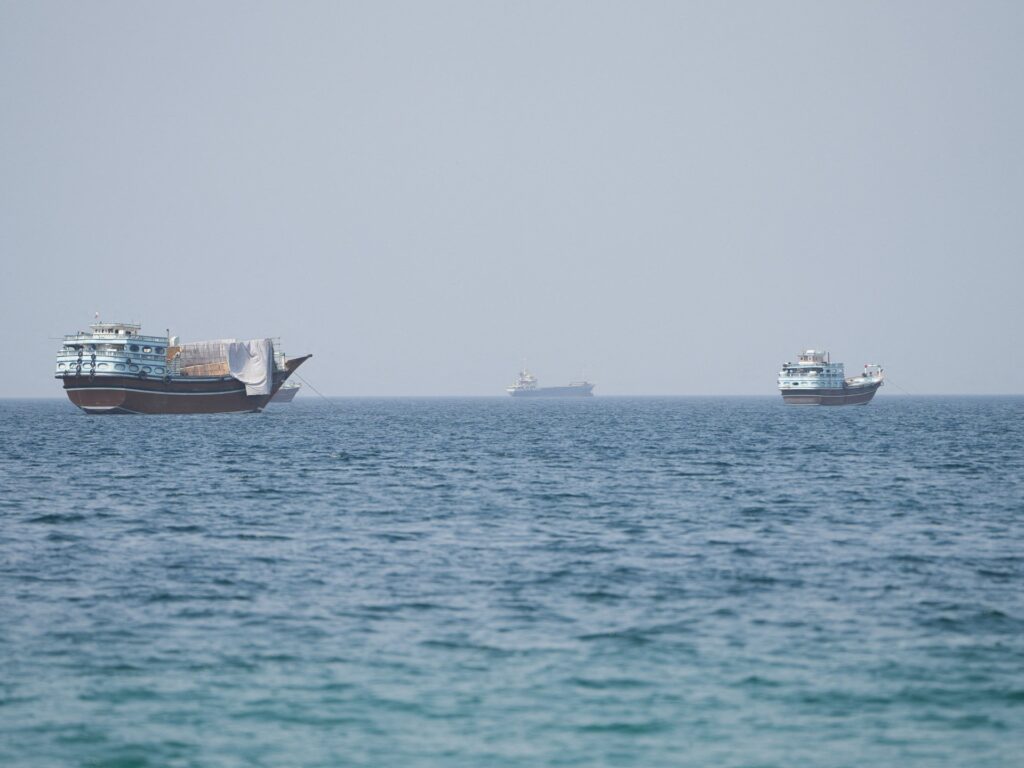
A naval blockade, typically a wartime measure, involves the deployment of naval forces to prevent ships from entering or leaving enemy ports. The US blockade aims to cut off Iran’s maritime access, particularly its oil exports and military shipments, which are crucial for its economic sustenance and military operations.
This move has been met with mixed reactions globally. Some international actors view it as a necessary step to counter Iran’s nuclear ambitions and regional interventions, while others warn that it could escalate conflict and disrupt global oil markets, leading to higher prices and economic instability.
The US has already deployed a significant naval presence in the Persian Gulf, including aircraft carriers, destroyers, and submarines, to enforce the blockade effectively. This show of force is intended not only to deter Iranian aggression but also to reassure US allies in the region.
Iran, on its part, has condemned the blockade as an act of aggression and vowed to take ‘‘all necessary measures’’ to protect its sovereignty and maritime rights. Iranian naval commanders have warned that they are prepared to challenge the blockade and have threatened to close the Strait of Hormuz, a critical chokepoint for global oil shipments.
Economic sanctions combined with the naval blockade are a part of the broader US strategy to pressure Iran into compliance with international norms and negotiations regarding its nuclear program. These measures seek to isolate Iran economically and militarily, hoping to bring Tehran back to the diplomatic table.
Analysts caution that while the US blockade could limit Iran’s capabilities temporarily, it risks pushing the country towards more aggressive tactics, including asymmetric warfare and attacks on commercial shipping.
The international community is urging restraint and dialogue to prevent a full-scale conflict in the region, which could have devastating consequences for global security and economy. Diplomatic channels remain open, but the path ahead appears fraught with challenges as both sides stand firm in their stances.
In conclusion, the US’s readiness to sustain a naval blockade against Iran indefinitely marks a significant shift in military strategy and regional policy. How Iran responds and how the international community manages this crisis will be crucial in determining the future stability of the Middle East.
The situation remains dynamic, with further developments expected as diplomatic and military actions unfold in the coming weeks.