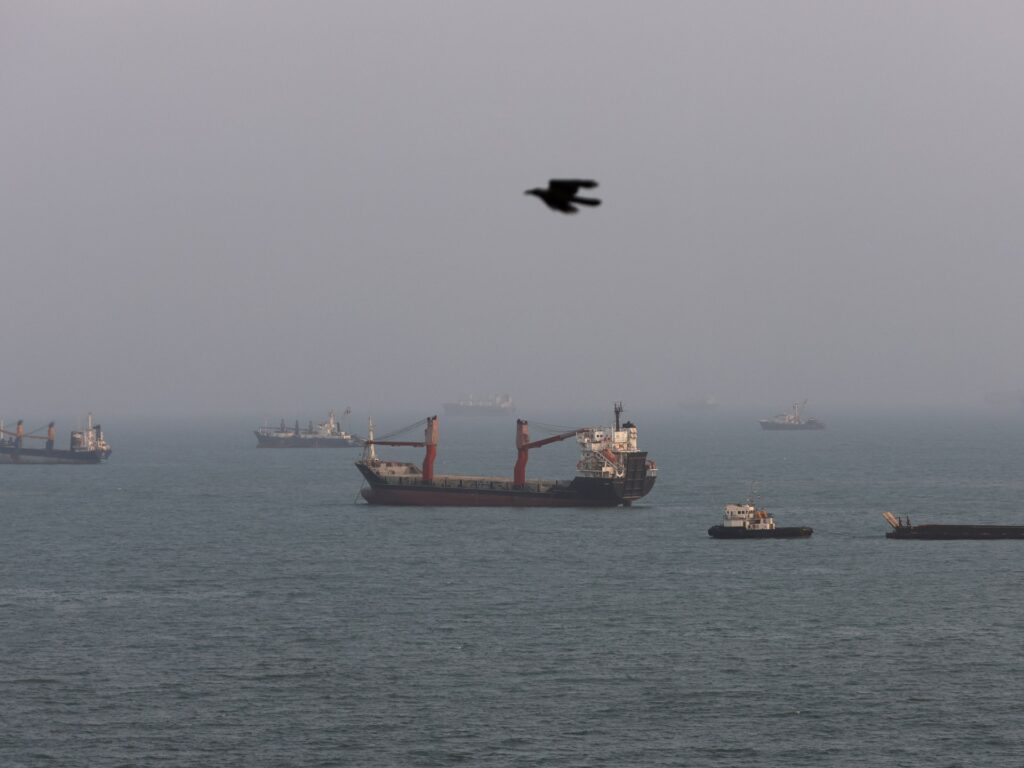
The United Arab Emirates (UAE) has formally accused Iran of launching attacks on two vessels operated by the Abu Dhabi National Oil Company (ADNOC) in the strategically significant Strait of Hormuz. This waterway is a crucial passage for global oil shipments, making any security incidents there a matter of international concern.
According to official statements from the UAE, the assault on the ADNOC vessels did not result in any injuries. However, the UAE characterized the incident as an act of ‘piracy’ and expressed serious apprehension about the implications for global energy security.
The Strait of Hormuz is one of the world’s most vital maritime chokepoints, with a significant percentage of the world’s petroleum passing through its narrow waters each day. Any disruption in this area could have far-reaching effects on energy markets and global supply chains.
The UAE’s designation of these attacks as piracy signals its view that the actions were not isolated but deliberate attempts to undermine regional stability and threaten the free and safe navigation of commercial vessels.
International observers and trading partners have been closely monitoring the situation, recognizing that escalations in this region could destabilize global energy supplies and prompt wider geopolitical tensions.
The UAE has called on the international community to condemn these attacks and to take necessary steps to ensure the safety and security of shipping routes in the Gulf.
This accusation against Iran adds to already strained relations between the two nations, following years of political and diplomatic challenges over regional influence and security concerns.
Iran has yet to officially respond to the accusations, but the incident is expected to exacerbate existing tensions and increase diplomatic friction.
Global oil markets have reacted cautiously, watching closely for any further developments that could impact the flow of energy resources.
In summary, the UAE’s claim of Iran’s involvement in attacks on ADNOC vessels highlights the fragile security situation in the Gulf region and underscores the urgent need for stability to ensure uninterrupted energy supply to the world markets.