A recent earthquake has caused significant destruction in Cali, Colombia, severely impacting the city’s hospital infrastructure and healthcare delivery. The earthquake struck with enough force to damage multiple hospital facilities, forcing medical staff to quickly adapt to the challenging conditions to save lives.
Hospitals in Cali, a city known for its vital healthcare services, faced immediate distress as structural damages compromised their capacity to operate safely and effectively. Emergency departments were overwhelmed with patients suffering from injuries related to the quake, and the damage to key medical areas made it necessary for medical teams to prioritize care for the most critically injured.
Medical personnel, including doctors, nurses, and support staff, are working around the clock under immense pressure. Their focus has shifted to triaging patients, ensuring that life-saving procedures are administered promptly to those in critical condition. This urgent prioritization means that some non-critical treatment services have been temporarily suspended or scaled back.
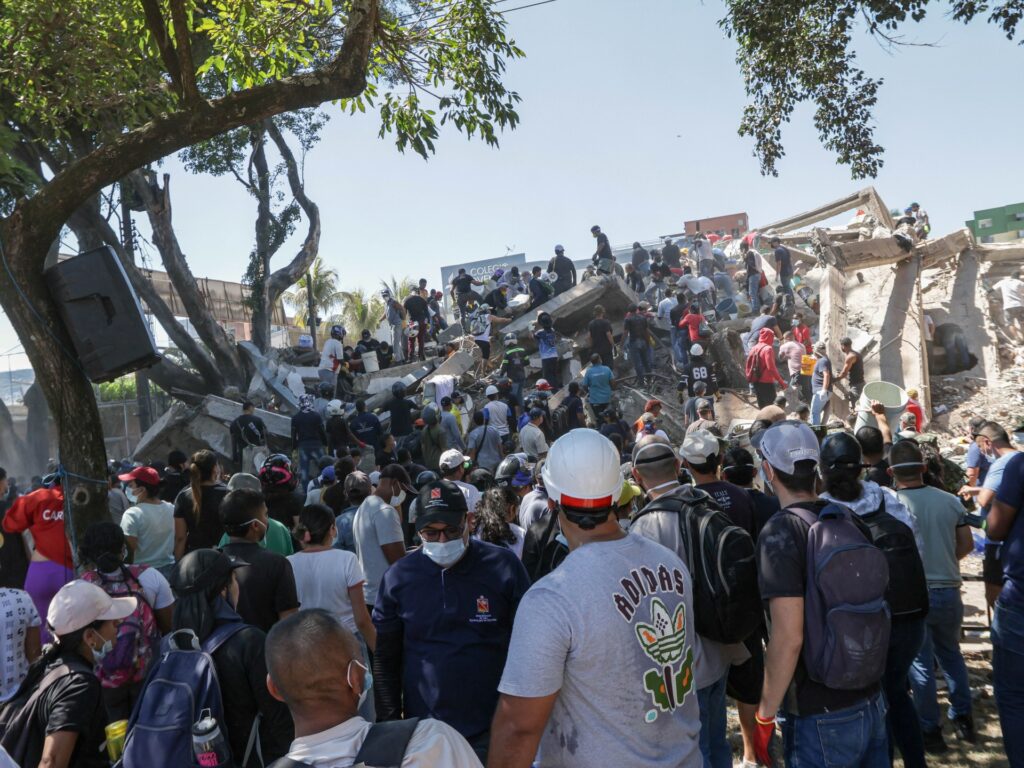
Rescue teams are also operating nonstop, battling difficult conditions to locate and extract survivors from collapsed buildings. Coordination between emergency responders and hospital teams is crucial to managing the flow of incoming patients and delivering timely medical interventions.
The damage to hospital infrastructure has also highlighted the need for disaster-preparedness improvements in the region’s healthcare facilities. Many hospitals are now reassessing their emergency response protocols and reinforcing structural components to better withstand future seismic events.
In the wake of the disaster, community and governmental support have been mobilized to provide additional resources to affected hospitals. These include temporary medical facilities, supplies, and personnel to supplement existing hospital staff.
Despite the immediate challenges, the response from Cali’s healthcare community illustrates resilience and dedication under pressure. The situation remains dynamic, with ongoing efforts focused on stabilizing hospital operations and expanding capacity to meet the critical needs of the earthquake’s victims.
As the city continues recovery and rebuilding efforts, the earthquake’s impact on healthcare will remain a significant concern. Authorities are calling for increased investments in infrastructure resilience and emergency preparedness to safeguard against future disasters and protect public health.
This tragic event serves as a stark reminder of the vulnerability of critical infrastructure to natural disasters and the importance of preparedness in protecting lives. The medical teams in Cali continue their vital work, adapting swiftly to unprecedented challenges in their mission to save lives and restore health services to the community.