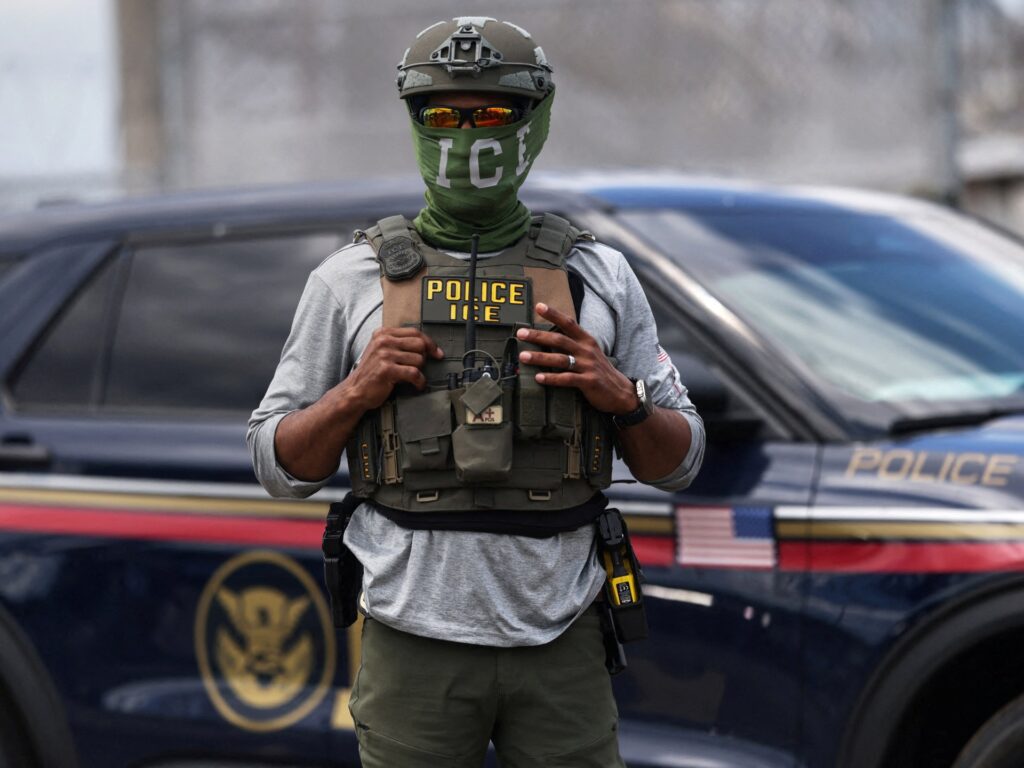
The Trump administration is moving forward with plans to equip U.S. Immigration and Customs Enforcement (ICE) officers with electric-shock gloves, a decision that has sparked significant controversy and raised ethical concerns. The Department of Homeland Security (DHS) is expected to purchase up to $20 million worth of these gloves, which deliver a mild electric shock to control individuals during encounters.
The proposed acquisition comes as part of the administration’s broader push to intensify immigration enforcement and maintain tighter control over undocumented migrants and those involved in immigration violations. ICE officers have been at the forefront of carrying out President Trump’s stringent immigration policies, which have faced widespread criticism both domestically and internationally.
Electric-shock gloves, which are designed to incapacitate a person temporarily without causing permanent harm, have been likened to stun guns or Tasers. These gloves provide a non-lethal option for officers to subdue individuals during physical altercations or when resistance is encountered. However, the deployment of these devices has raised concerns among human rights groups, civil liberties organizations, and advocates who fear potential misuse and excessive use of force.
Critics argue that the use of such gloves may lead to unnecessary pain and could be disproportionately applied to vulnerable populations, including asylum seekers and migrants who are often already traumatized by their experiences. There are also questions about the training provided to officers and the oversight mechanisms in place to prevent abuses.
Supporters of the gloves contend that they are a safer alternative to firearms and traditional batons, offering officers a less lethal means to protect themselves and maintain order during potentially volatile situations. The gloves’ use is intended to reduce the risk of injury to both officers and individuals in custody.
The decision to procure these shock gloves follows several reports of confrontations during immigration raids, some of which have resulted in injuries to both ICE officers and detainees. The gloves are seen as part of a toolkit aimed at increasing operational effectiveness and officer safety in challenging environments.
The broader Trump administration immigration strategy has been marked by strict enforcement policies, including increased detention of undocumented immigrants, expedited removals, and the separation of families at the U.S.-Mexico border. These policies have been met with significant opposition and legal challenges.
Civil rights advocates emphasize the need for accountability and transparency regarding the use of force by immigration enforcement agents. They call for clear guidelines, rigorous training, and independent oversight to ensure that devices like electric-shock gloves are not misused.
As DHS moves forward with the acquisition, the debate over the balance between law enforcement authority and human rights protection continues. The introduction of electric-shock gloves into ICE’s arsenal is likely to intensify discussions around immigration enforcement tactics and the ethical considerations surrounding the treatment of detainees.
In summary, the Trump administration’s plan to purchase and deploy electric-shock gloves for ICE officers reflects its commitment to enforcing immigration laws with increased tools designed for officer safety. At the same time, it highlights the ongoing conflict between aggressive immigration enforcement and concerns about civil liberties and humane treatment.