US Defence Chief Highlights Ongoing Campaign Against Drug Cartels as Colombia Joins Regional Military Coalition
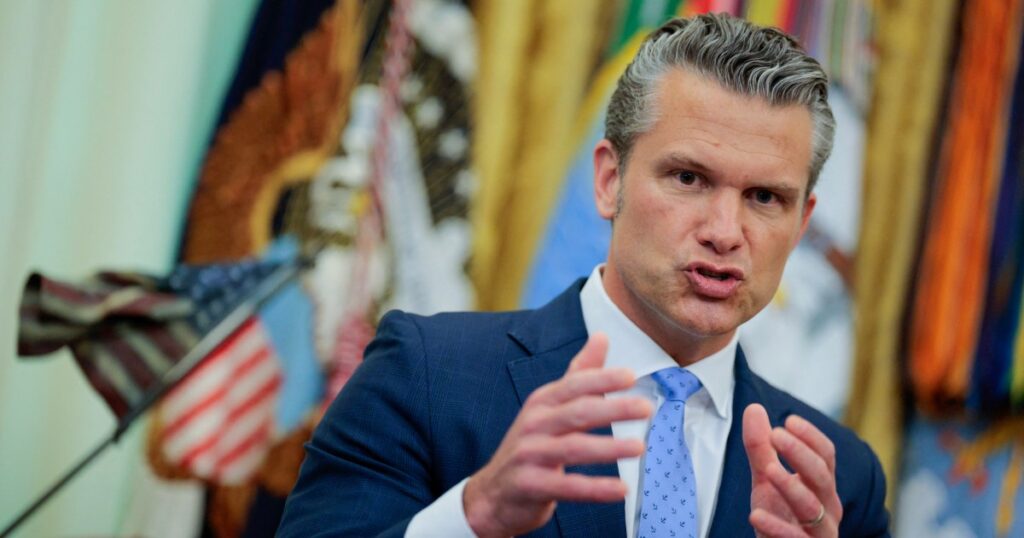
In a recent development that has captured international attention, Hegseth, a prominent political commentator, issued a cautionary statement regarding potential investigations by the International Criminal Court (ICC) into the United States’ maritime operations in Latin America. Specifically, Hegseth expressed concerns that the ICC might scrutinize US boat strikes that have been part of broader efforts to combat drug trafficking and organized crime in the region.
The US defence chief has underscored the United States’ commitment to continuing its robust campaign against drug cartels that operate across Latin America. This campaign involves a multifaceted approach that includes intelligence sharing, direct military engagement, and strengthening partnerships with regional allies to dismantle cartel operations and disrupt drug trafficking routes.
A significant development in this ongoing campaign is Colombia’s recent decision to join a regional military coalition aimed at enhancing security and stability throughout Latin America. Colombia, long recognized for its battle against powerful drug cartels, brings critical experience and resources to this coalition. This alliance is expected to facilitate improved coordination, joint operations, and more effective deterrence against illicit activities that threaten the region’s peace and prosperity.
The regional military coalition represents a concerted effort by Latin American countries to pool their military resources and expertise to address common security challenges. By working together, these countries aim to fight drug trafficking networks more effectively and diminish their influence on local populations.
However, Hegseth’s warning about the ICC’s possible involvement introduces a complex dynamic. The ICC, an international tribunal established to prosecute individuals for crimes such as genocide, war crimes, and crimes against humanity, could theoretically investigate US military operations if they are believed to have caused unlawful harm or civilian casualties.
This potential scrutiny raises important questions about the legality and ethical dimensions of using military force in anti-drug operations, especially in international waters or foreign territories. Critics of the US campaign argue that aggressive tactics, including boat strikes, risk violating sovereignty, causing unintended collateral damage, and undermining local trust.
Supporters maintain that these operations are necessary to disrupt dangerous cartels that pose significant threats both to Latin American societies and to US national security. They emphasize the importance of relentless action against drug trafficking networks to prevent the flow of narcotics and associated violence.
Colombia’s involvement in the coalition further complicates this issue, as their active participation may influence perceptions about legitimacy and coordination in these military efforts. The coalition aims to create a unified front that respects legal frameworks while effectively countering criminal organizations.
Meanwhile, US officials continue to affirm their dedication to this campaign, highlighting successes in seizure of drugs, arrests of key cartel figures, and enhanced regional cooperation. They argue that the benefits of these actions in dismantling organized crime outweigh the risks and challenges posed by potential investigations.
The evolving situation underscores the delicate balance between enforcing security, respecting international law, and maintaining diplomatic relations within the region. Transparency and adherence to human rights principles will be critical in addressing concerns and ensuring that anti-drug operations are both effective and legally sound.
As Latin America grapples with the persistent threat of drug cartels, the international community watches closely. The outcomes of this initiative and the reaction of bodies like the ICC may set important precedents for future military interventions against transnational criminal enterprises.
In summary, Hegseth’s caution about ICC investigations has brought attention to the complex legal and ethical landscape surrounding US boat strikes in Latin America. With Colombia joining the regional military coalition, the US and its partners are poised to intensify their campaign, navigating challenges to safeguard both security and international legal norms.