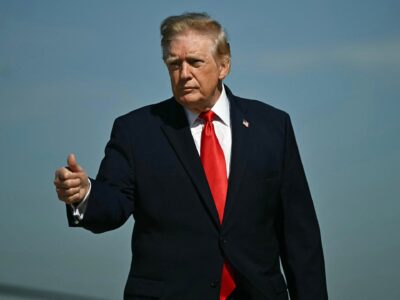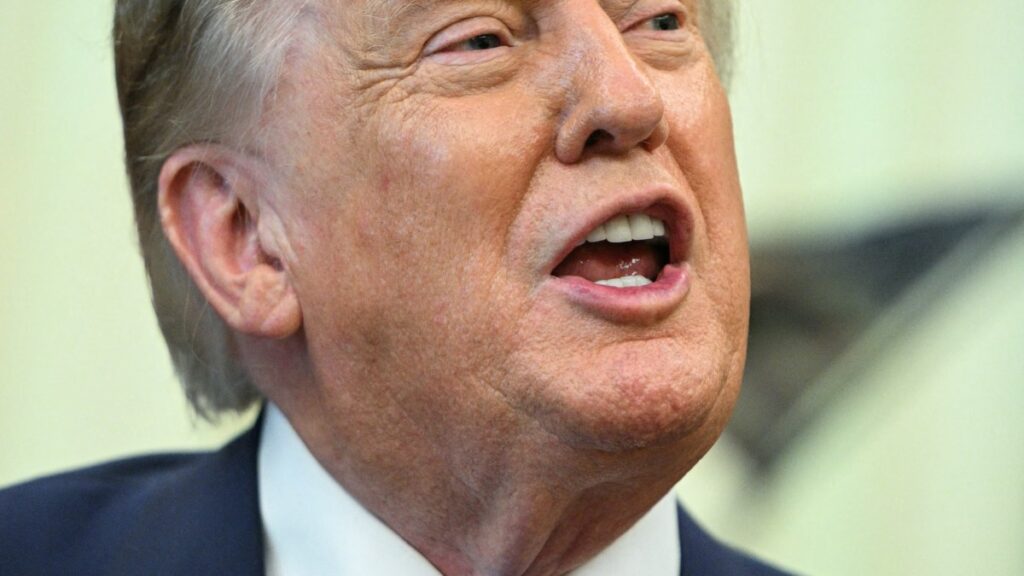
In a recent and provocative statement made from the Oval Office, former President Donald Trump issued a stark warning about the political direction of the United States, characterizing the rising Democratic contenders as “jihadists.” The remark, which has ignited significant controversy, was part of Trump’s broader critique of the Democratic Party as it gains momentum in the upcoming election cycle.
Trump, known for his confrontational style and incendiary rhetoric, used the term “jihadists” to describe US Democratic nominees, a choice of words that has alarmed many observers and political opponents. The former president’s comments come amid a climate of intense partisan division and heightened political stakes as Democrats appear to be consolidating strength.
The backdrop of Trump’s warning is the increasing popularity and organizational success of Democratic candidates who are rallying support across various demographics and swing states. The party’s ability to galvanize energy on key issues such as healthcare, climate change, and economic reform has resonated with a significant portion of the electorate.
Critics of Trump’s remarks argue that his language is not only inflammatory but also dangerously divisive. By equating American Democratic politicians with extremist jihadists, Trump is accused of exacerbating the polarization within the country, potentially undermining democratic norms and peaceful political discourse.
Supporters of Trump, however, contend that his statement is a metaphorical warning about the perceived radical agenda and policies promoted by the Democratic Party. They view his rhetoric as a call to vigilance against what they describe as far-left ideologies that could fundamentally alter the nation’s character.
Analysts point out that the use of such charged language reflects the broader trend in contemporary American politics where hyperbolic and emotionally charged statements have become commonplace. This evolution in political communication often heightens tensions but also serves to mobilize bases and define clear adversaries in electoral contests.
The Democratic Party has largely dismissed Trump’s comments as false and reckless, emphasizing their commitment to democratic principles and inclusivity. Democratic leaders have called for a focus on policy debates and constructive solutions rather than inflammatory personal attacks.
As the election season intensifies, Trump’s remarks underscore the high stakes and deep divisions shaping the political landscape. Both parties are engaged in fierce battles for control of Congress and the White House, with public opinion showing signs of volatility.
Observers note that the rhetoric used in campaigns can influence voter sentiment and engagement. Trump’s warning about “jihadists” may energize his base while alienating moderate and independent voters who are wary of extreme partisan accusations.
The coming months will test the resilience of American democracy as political leaders navigate an environment charged with passionate rhetoric and polarizing narratives. The role of media, public discourse, and political leadership in fostering unity or deepening divides remains crucial.
In summary, Trump’s controversial warning about Democratic nominees as “jihadists” encapsulates the intense political climate facing the United States. It highlights the challenges of maintaining civil discourse and the risks associated with escalating rhetoric amidst a fiercely competitive election cycle. Both the Democratic momentum and Republican resistance are pivotal elements shaping the nation’s immediate political future.