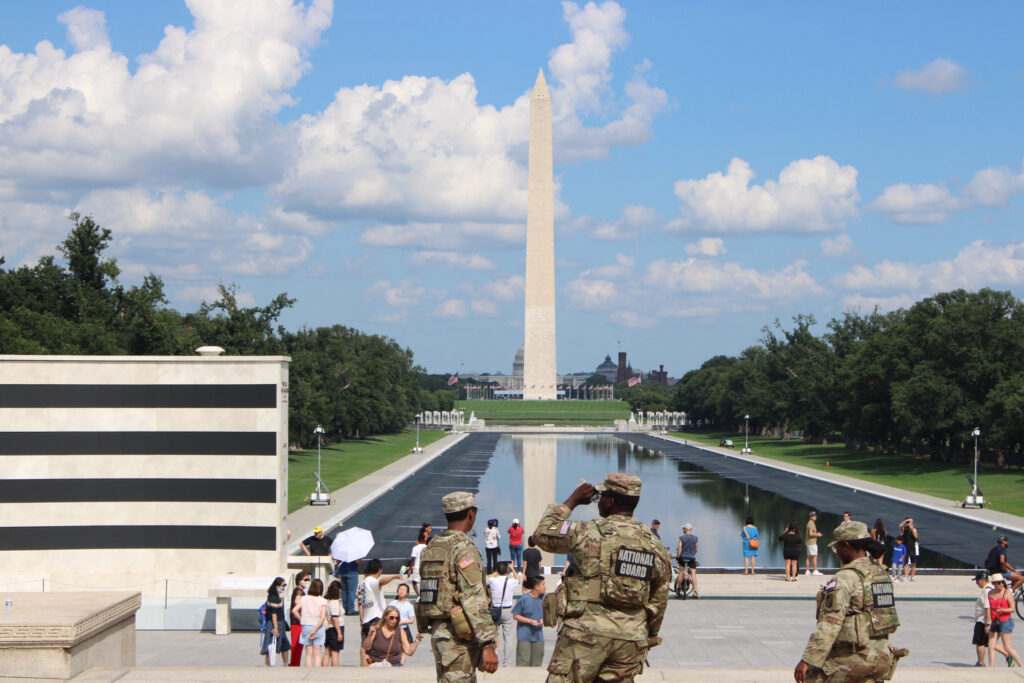
It has been one year since former President Donald Trump authorized the deployment of the National Guard to Washington, DC, amid rising concerns over crime in the city. The move sparked intense debate among residents, with opinions divided on whether the presence of the Guard has truly enhanced safety or merely shifted public perception of law enforcement efficacy.
In 2023, escalating crime rates in certain neighborhoods of the nation’s capital prompted Trump to take decisive action, calling in the National Guard forces to support overwhelmed local law enforcement agencies. The deployment aimed to provide a visible deterrent to criminal activity, restore public confidence, and help stabilize affected communities.
Since then, however, residents’ reactions have been mixed. Some applaud the measure, citing a noticeable decline in certain types of violent incidents and improved response times thanks to the supplementary forces. These supporters argue that the Guard’s presence helped to reduce fear, allowing residents to feel safer in their daily activities and supporting local businesses impacted by crime fears.
Conversely, others criticize the deployment as a symbolic gesture with limited tangible benefits. Some community leaders and activists contend that while the National Guard may boost security visibility, it does not address underlying issues such as poverty, unemployment, and systemic inequalities that contribute to criminal behavior. Critics also point out concerns about the militarization of the community and potential strains on civil liberties.
Data on crime rates over the past year show a complex picture. Some categories of crime have seen declines, while others remain steady or have increased. Law enforcement officials emphasize that multiple factors influence crime trends, including ongoing community programs, police reforms, and broader socio-economic changes, making it difficult to attribute changes solely to the presence of the National Guard.
Public safety experts suggest that sustainable improvements require comprehensive strategies beyond temporary deployments. Investments in social services, education, mental health support, and economic opportunities are viewed as critical to reducing crime long-term.
The debate in Washington, DC highlights broader national conversations about the roles of law enforcement, military forces, and community engagement in crime prevention. As the city moves forward, residents and officials alike continue to grapple with balancing immediate public safety needs and foundational social reforms.
In summary, the one-year mark since Trump’s National Guard deployment serves as a reflection point for Washington, DC. While the Guard’s presence may have contributed to short-term safety improvements, many argue for more holistic approaches to ensure enduring community well-being and security.