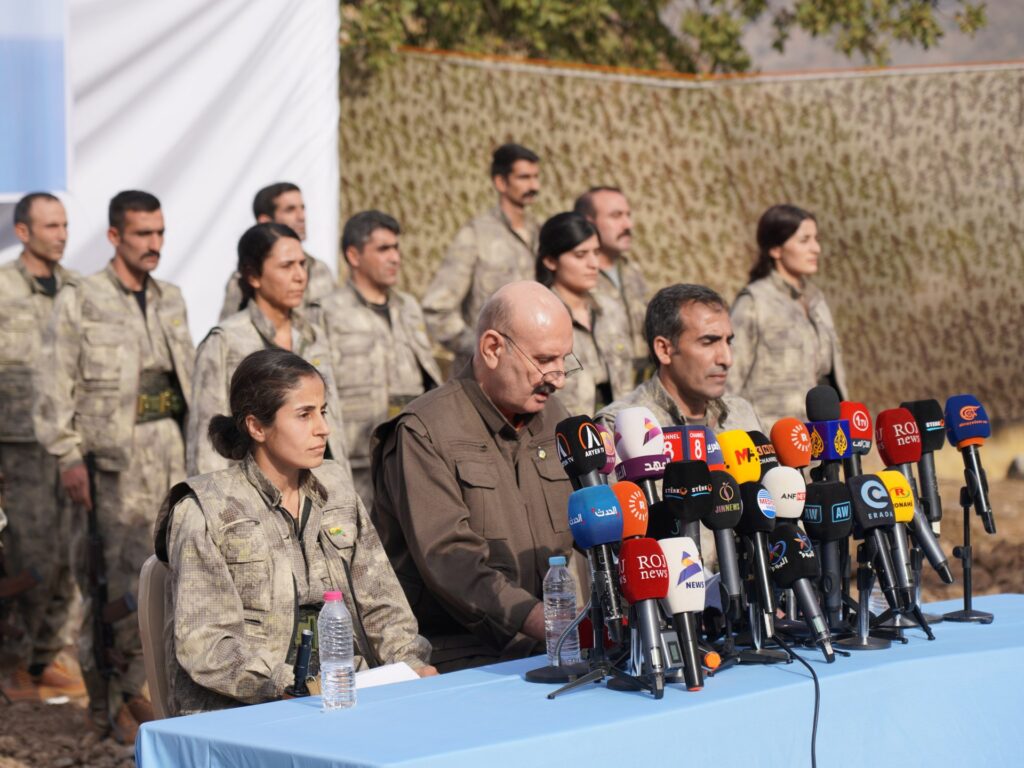
In a significant move towards reconciliation and peace, Turkey has approved a pardon-like bill aimed at thousands of fighters from the Kurdistan Workers’ Party (PKK). This legislation is designed to facilitate a transition back to civilian life for those militants who choose to lay down their arms.
The approval of this bill marks a critical step in addressing the long-standing conflict between the Turkish government and the PKK, a group deemed a terrorist organization by Turkey and several other countries. For decades, the conflict has resulted in heavy casualties and widespread instability in the region.
Under the new legislation, PKK fighters who surrender and renounce violence may benefit from reduced sentences or even amnesty, effectively allowing them to reintegrate into their communities with fewer legal repercussions. This move is seen as an effort to encourage defections and build trust between the government and the Kurdish population.
The bill’s introduction followed extended talks and efforts to find a peaceful resolution to the conflict. It reflects a shift in Turkey’s strategy, focusing more on reconciliation and social integration rather than solely on military action.
Reactions to the bill have been mixed. Supporters argue that this could pave the way for lasting peace and stability, reducing violence and promoting dialogue. They believe that offering a legal pathway back to normal life will weaken militant ranks and encourage cooperation.
Critics, however, express concerns that such measures might undermine justice for victims of past violence or embolden militants by providing what they see as a form of impunity. They urge caution, insisting that national security and the rule of law should not be compromised.
Internationally, the bill is being watched closely, with some countries and organizations seeing it as a positive development towards conflict resolution and others waiting to assess its implementation and impact.
The Kurdish community’s response is also varied. Some view it as a hopeful step toward recognition and peace, while others remain skeptical about the government’s intentions and the practical benefits of the bill.
The Turkish government has emphasized that the bill aims to support peace and stability in the region through compassionate and pragmatic means. Officials have pledged to monitor the situation closely and provide necessary support to former militants transitioning to civilian life.
Implementation of this policy will likely involve complex logistical and social challenges, including ensuring the safety, social acceptance, and economic opportunities for returning fighters.
This development comes at a time when Turkey is exploring multiple avenues to achieve peace and mitigate the long-term impact of the conflict on its society and neighboring regions.
In summary, the approval of the pardon-like bill for PKK fighters represents a landmark effort in Turkey’s ongoing quest for peace, aiming to bring armed militants back into the fold of society, reduce violence, and foster an environment conducive to dialogue and reconciliation.